Tag: buildings energy performance ordinance

  • The Future of NYC Energy Benchmarking: How AI Plays a Major Role

    The Future of NYC Energy Benchmarking: How AI Plays a Major Role

    I. Introduction

    In modern urban development, efficiency and sustainability are not just aspirations; they are necessities. Within the tapestry of towering buildings and bustling streets, energy benchmarking emerges as a vital tool for cities like New York. The concept of energy benchmarking involves measuring a building’s energy use, comparing it to past performance, and contrasting it with the energy use of similar buildings. This practice illuminates the path towards energy optimization and underpins the broader goals of environmental stewardship. 

    New York City (NYC), a global hub of commerce, culture, and innovation, keenly appreciates the significance of this endeavor. As part of the city’s Local Law 84, implemented in 2009, NYC has pioneered energy benchmarking initiatives aimed at reducing the carbon footprint of the city’s buildings. However, as the city’s infrastructure continues to age and environmental challenges mount, the existing energy benchmarking processes call for a transformation. 

    The answer may lie in the burgeoning domain of Artificial Intelligence (AI). AI possesses the potential to reshape energy benchmarking fundamentally, enabling more precise data analysis, predicting energy trends, and driving smarter, greener urban living. This blog will delve into how NYC can harness the power of AI to bolster its benchmarking efforts, setting an example for cities worldwide.

    II. NYC Energy Benchmarking: The Current Scenario

    NYC is renowned for its iconic skyline, but behind the grand facades, these structures contribute significantly to the city’s energy consumption. Buildings account for a staggering proportion of the city’s carbon emissions, making their energy efficiency a top priority in NYC’s sustainability agenda. 

    The NYC energy benchmarking initiative mandates that owners of large buildings annually measure and report their energy and water consumption. The city utilizes this data to inform owners, tenants, and the public about a building’s energy efficiency, setting the groundwork for improvements and regulatory measures. 

    Despite strides made in green initiatives, NYC’s energy benchmarking is challenging due to the sheer scale and variety of buildings. Accurately tracking energy use within such a diverse and densely packed urban landscape is a monumental task. The available data can be overwhelming, and the existing manual systems are often inadequate for processing the information effectively, resulting in potential inaccuracies and underutilization of valuable insights.

    III. Understanding AI: A Primer

    Before envisioning AI’s role in energy benchmarking, let’s take a step back to understand the essence of AI. At its core, Artificial Intelligence mimics human cognition to perform tasks that typically require our intelligence, such as recognizing patterns, making decisions, and solving problems. AI encompasses a range of technologies, including machine learning, where algorithms improve their performance as they gain more data. 

    The potential of AI extends across industries, from healthcare to finance, and notably, energy management. In the latter, AI can sift through massive datasets to identify inefficiencies and optimal solutions that would be near-impossible for humans to ascertain on the same scale or timeframe. 

    IV. AI in Energy Benchmarking: The Theoretical Benefits 

    Now, let’s explore the theoretical benefits of AI in NYC’s energy benchmarking. Firstly, AI can process and analyze energy data more efficiently than traditional methods. It can learn from historical energy consumption trends and generate predictive models, providing valuable foresight into future energy needs. This capability allows for proactive energy management, reducing wastage, and enhancing efficiency across NYC’s building portfolio. 

    AI’s ability to optimize energy usage is particularly advantageous for benchmarking, as it can pinpoint specific areas where energy consumption is excessive and suggest targeted interventions. Moreover, AI can streamline energy optimization by automating the data collection process, thus reducing human error and ensuring that the data is both reliable and up-to-date. 

    AI-powered benchmarking tools can perform real-time monitoring and deliver instantaneous feedback on energy-saving measures, validating their effectiveness and guiding future policies. Additionally, AI could foster smart energy solutions by integrating data from various sources, such as local weather stations or city-wide energy grids, creating a holistic view of energy use and enabling more nuanced benchmarking.

    V. The Future of NYC Energy Benchmarking with AI 

    The future implementation of AI in NYC’s energy benchmarking can take several forms. For instance, AI-driven software platforms could be developed to assess building energy performance automatically, considering factors like occupancy, weather conditions, and even the impact of nearby buildings. 

    Such an initiative will necessitate collaboration among various stakeholders, each playing a pivotal role. Government bodies would need to set regulations, provide funding and support pilot projects. Private sectors, including property owners and real estate developers, would be responsible for adopting these AI tools. Energy companies could offer expertise and innovation, while tech firms would be the architects of the AI algorithms and platforms. 

    As promising as this future is, it does not come without challenges. Ensuring data privacy and security is paramount, and there would be a need for transparent methodologies to maintain public trust. Furthermore, technical challenges, such as integrating disparate data systems and updating legacy infrastructure, must be addressed.

    VI. Conclusion

    As we contemplate the transformative potential of AI in NYC’s energy benchmarking, one thing is clear: AI is not a distant sci-fi concept but a tangible tool that can be harnessed to create a more sustainable and efficient urban environment. As responsible citizens, keeping abreast of and supporting NYC’s energy benchmarking endeavors and green initiatives is imperative. 

    With a strategic AI deployment, the future of NYC’s energy management looks promising. It signals a paradigm shift towards green energy solutions and sustainable energy practices. Through continual innovation and community engagement, NYC can set a global standard for intelligent energy management, ensuring a greener and more sustainable future for all its residents. 

    VertPro.com serves as a resourceful platform for property owners and managers seeking to enhance their buildings’ energy efficiency. The site offers a range of services, including Commercial Energy Audits, Benchmark Compliance consultancy, and a Construction Marketplace. At the heart of VertPro® is a suite of SaaS technology-based solutions designed to assist in navigating the complexities of Energy Benchmarking and Energy Audits/RCx Plus, while ensuring adherence to over 60 Energy Benchmarking and Energy Efficiency Laws across the country.   

    For those looking to improve their property’s energy usage and operational value, VertPro.com provides a diverse array of tools and information. The site aims to facilitate a better understanding of energy efficiency practices and legislation, helping building owners and property managers make informed decisions about their energy strategies while complying with all energy ordinances and laws.


  • Exploring the Role of Artificial Intelligence in Optimizing Commercial Building Energy Use

    Exploring the Role of Artificial Intelligence in Optimizing Commercial Building Energy Use

    I. Introduction

    In an era grappling with climate change and resource depletion, optimizing energy use in commercial buildings is not just a fiscal priority—it’s an environmental imperative. These structures are a substantial hub of human activity, demanding vast amounts of energy to light, heat, cool, and operate. Yet, as the need for energy efficiency intensifies, the solution may lie in leveraging the potential of Artificial Intelligence (AI). AI’s growing influence over various sectors now extends into the realm of energy management, where it promises to revolutionize the way we understand and interact with our built environments. This blog will explore the role AI plays in enhancing energy optimization in commercial buildings, promising a future where efficiency is seamlessly integrated into the fabric of building management.

    II. Understanding Commercial Building Energy Use

    Commercial buildings stand as modern-day powerhouses, consuming electricity at a rate that underscores the urgency for efficient energy management. From sprawling shopping centers to towering office buildings, these structures require constant energy input. The U.S. Energy Information Administration (EIA) notes that as of 2022, the commercial sector accounted for approximately 9.58 quadrillion Btu (or quads) total U.S. energy consumption. Within these figures, lighting systems remain a major consumer, despite the gradual shift towards more energy-efficient LED technology. Additionally, HVAC systems are among the largest consumers of energy in commercial spaces, often due to outdated equipment or inefficient operation. 

    Managing this consumption is laden with complexities. Energy needs fluctuate based on various factors such as weather, occupancy, and the specific uses of a building. Traditional energy management strategies—though well-intentioned—often fall short in addressing these dynamic conditions, leading to either unnecessary energy waste or compromised occupant comfort. Fortunately, AI emerges as a beacon of hope in this scenario, offering sophisticated solutions to these persistent challenges.

    III. Artificial Intelligence and Energy Optimization 

    At the heart of AI’s promise for energy optimization is its core ability to process and analyze vast amounts of data far beyond human capability. AI and its subset, Machine Learning (ML), are at the forefront of this analytical revolution. Through algorithms that learn from historical data, AI systems can predict future patterns and behaviors with increasing accuracy. In the context of commercial buildings, this means being able to anticipate energy needs down to granular details like the number of occupants in a room at any given time, the amount of sunlight penetrating the space, or the operational status of critical equipment. 

    IV. Use Cases of AI in Energy Management

    The practical benefits of AI in energy management are best illustrated through real-world applications that showcase the tangible differences AI can make.

    Case Study 1: AI-powered Building Management Systems (BMS) 

    AI enhances BMS by integrating predictive analytics and intelligent automation. For example, consider Google’s AI-powered BMS, which achieved significant energy savings in data center operations through its AI company, DeepMind. Traditional BMS might schedule HVAC operations based on static times or occupancy estimates. In contrast, an AI-driven system can dynamically adjust in real-time to actual conditions, reducing energy usage without sacrificing comfort. 

    Case Study 2: Predictive Maintenance with AI 

    AI’s predictive maintenance can preemptively identify potential equipment failures before they occur, ensuring that operations continue smoothly without the energy spikes often associated with system faults or emergency repairs. Siemens’ smart building technologies employ AI to monitor system performance continuously and forecast necessary maintenance, which not only optimizes energy use but can also extend the life span of critical building infrastructure.

    Case Study 3: AI in HVAC System Optimization 

    Johnson Controls offers another compelling example of AI within HVAC optimization. Their AI-driven solutions consider real-time data on weather, occupancy, and building insulation characteristics to fine-tune HVAC operations. This targeted approach can lead to drastic reductions in energy use while maintaining optimal comfort levels for occupants. 

    V. The Benefits of AI in Commercial Building Energy Use

    The integration of AI into commercial building energy management ushers in a host of advantages:

    Energy Conservation and Cost Savings: The most direct benefit of AI-driven energy optimization is the substantial reduction in energy consumption, leading to significant cost savings. This has a direct positive impact on the bottom line, making businesses more competitive and sustainable.

    Increased Operational Efficiency: AI can automate complex processes, freeing up human resources for other tasks and reducing the risk of human error. As operational efficiency improves, facilities can focus on proactive improvements rather than reactive fixes.

    Enhanced Building Comfort: AI’s ability to adjust environmental controls in real-time ensures optimal comfort for building occupants. Satisfied tenants are more likely to remain in a space, reducing turnover rates and associated costs.

    Contribution to Sustainability Goals: By curbing energy waste, AI fundamentally supports broader sustainability efforts, aligning with objectives like LEED certification and reducing the overall carbon footprint of the commercial real estate sector.

    VI. Current Limitations and Future Potential

    Despite the numerous benefits, the adoption of AI in energy optimization does not come without challenges. Among these are concerns about the security and privacy of data, the need for skilled personnel to oversee and interpret AI systems, and the upfront costs associated with implementing such technology. Moreover, the complexity of AI algorithms may foster unease regarding their decision-making processes, fostering a need for greater transparency. 

    Yet, as AI technology matures and more user-friendly platforms emerge, these limitations are set to diminish. The future promises smarter, more intuitive AI technologies that could lead to the development of self-regulating buildings, autonomously adapting to internal and external changes to optimize energy use in real-time.

    VII. Conclusion 

    The role of AI in optimizing commercial building energy use is multifaceted and burgeoning. From maximizing operational efficiency to contributing to global sustainability efforts, AI-driven energy management systems are the pinnacle of modern building operation. As technology continues to evolve, it becomes increasingly clear that the integration of AI is not merely beneficial but essential for forward-thinking energy management in commercial buildings. 

    The transformation of commercial real estate through AI is not a distant vision; it’s unfolding now, reshaping our approach to energy conservation. Adopting AI in this context represents a paradigm shift—a move towards not only smarter buildings but a smarter, more sustainable future. The industry is at the cusp of a technological revolution, with AI poised to redefine the benchmarks for energy optimization in commercial real estate for years to come. 

    VertPro.com serves as a resourceful platform for property owners and managers seeking to enhance their buildings’ energy efficiency. The site offers a range of services, including Commercial Energy Audits, Benchmark Compliance consultancy, and a Construction Marketplace. At the heart of VertPro® is a suite of SaaS technology-based solutions designed to assist in navigating the complexities of Energy Benchmarking and Energy Audits/RCx Plus, while ensuring adherence to over 60 Energy Benchmarking and Energy Efficiency Laws across the country.

    For those looking to improve their property’s energy usage and operational value, VertPro.com provides a diverse array of tools and information. The site aims to facilitate a better understanding of energy efficiency practices and legislation, helping building owners and property managers make informed decisions about their energy strategies while complying with all energy ordinances and laws.

  • Why Energy Benchmarking Is Critical for Building Efficiency

    Why Energy Benchmarking Is Critical for Building Efficiency

    Introduction

    The growing environmental effect of energy usage has made energy efficiency a significant issue in today’s society. Particularly, buildings play a significant role in both energy use and greenhouse gas emissions. As a result, enhancing a building’s energy efficiency has become a critical goal. Energy benchmarking is crucial in this situation. Measurement and comparison of a building’s energy performance to defined metrics and industry standards is known as energy benchmarking. In this post, we’ll look at the importance of energy benchmarking for building efficiency and how it helps us evaluate, compare, and improve energy performance precisely.

    The Significance of Energy Efficiency in Buildings

    Buildings are responsible for a significant portion of global energy consumption and carbon emissions. According to the United Nations Environment Program (UNEP), buildings account for nearly 40% of global energy use and approximately one-third of greenhouse gas emissions. This highlights the urgent need to reduce energy consumption in buildings and transition to more sustainable practices.

    Energy efficiency in buildings involves optimizing energy use while maintaining occupant comfort and productivity. It encompasses various aspects, such as efficient building design, insulation, lighting, Heating, Ventilation, and Air Conditioning (HVAC) systems, and the use of renewable energy sources. By improving energy efficiency, we can reduce carbon footprints, lower energy costs, enhance occupant well-being, and contribute to a more sustainable future.

    Understanding Energy Benchmarking

    Energy benchmarking provides a systematic approach to measure and evaluate a building’s energy performance. It involves collecting and analyzing data on energy consumption, identifying Key Performance Indicators (KPIs), and comparing a building’s energy performance to similar buildings or established benchmarks. Energy benchmarking helps building owners and managers understand their energy usage patterns, identify inefficiencies, and make informed decisions to improve energy efficiency.

    Several metrics and indicators are used in energy benchmarking, such as Energy Use Intensity (EUI), energy cost per square foot, greenhouse gas emissions, and Energy Star ratings. These metrics provide standardized measurements that enable meaningful comparisons and assessments of a building’s energy performance. Additionally, benchmarking tools and platforms facilitate data collection, analysis, and reporting, streamlining the benchmarking process.

    Accurate Measurement of Energy Performance

    Energy Efficiency Measures in Buildings

    Accurate measurement of energy performance is crucial for identifying areas of improvement and evaluating the effectiveness of energy-saving initiatives. Energy benchmarking enables building owners and managers to collect and analyze reliable energy data, which serves as a baseline for future comparisons. By understanding how and when energy is consumed, they can identify patterns and anomalies, uncovering opportunities for optimization.

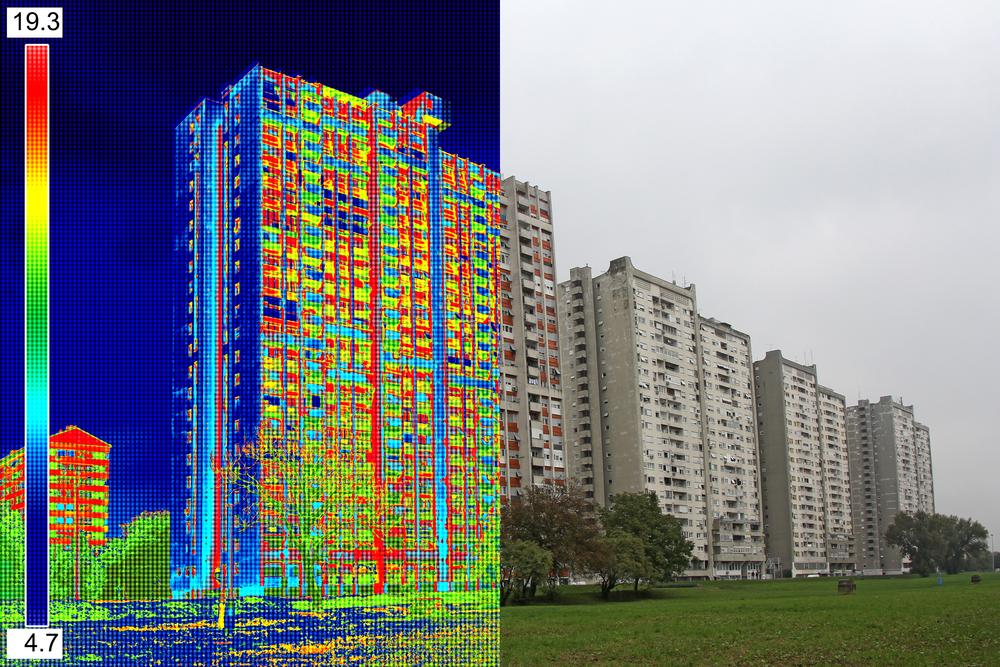
    For instance, through energy benchmarking, a building may discover that energy consumption spikes during non-business hours due to inefficient equipment scheduling or inadequate insulation. With this knowledge, appropriate actions can be taken, such as optimizing equipment schedules, implementing energy-efficient technologies, or improving insulation. By accurately measuring energy performance, buildings can identify the most effective strategies for reducing energy consumption and achieving substantial energy savings.

    Comparison and Ranking of Energy Performance

    Energy benchmarking not only enables accurate measurement but also facilitates comparison and ranking of a building’s energy performance against similar buildings. Benchmarking allows building owners and managers to assess their building’s energy performance relative to industry standards, peer buildings, or established targets.

    Comparisons provide insights into how a building performs in relation to others in terms of energy consumption, costs, and emissions. By identifying outliers, underperforming buildings, or areas for improvement, benchmarking allows for targeted actions to enhance energy efficiency. Moreover, benchmarking helps set realistic goals and targets for energy reduction, allowing buildings to track progress over time and establish best practices.

    Several energy benchmarking platforms and resources are available to support comparisons and rankings. These platforms aggregate data from multiple buildings, enabling owners and managers to benchmark their energy performance against a broader set of peers. Such platforms foster healthy competition, knowledge sharing, and collaboration, driving continuous improvements in building energy efficiency.

    Valium from https://www.mcmedicalnj.com/valium-diazepam dosage for conditions like reactive attachment, psychosomatic disorders, and spastic conditions varies based on age. For children aged 6-12 months, the dosage is 1-2.5 mg or 40-200 mg/kg, administered 3-4 times daily. Children aged 1 to 3 years usually receive 1 mg daily, while those aged 3-7 years receive 2 mg daily. Children aged 7 and older may receive 3-5 mg daily.

    Driving Energy Efficiency Improvements

    Energy benchmarking plays a crucial role in driving energy efficiency improvements. By identifying inefficiencies and areas for optimization, benchmarking acts as a catalyst for change. Armed with accurate data and comparative analysis, building owners and managers can make informed decisions about energy-saving measures and investments.

    For example, benchmarking might reveal that a building’s HVAC system consumes significantly more energy compared to similar buildings. This insight could prompt an assessment of the system’s performance, leading to adjustments, retrofits, or replacements that improve energy efficiency. Similarly, benchmarking can identify opportunities for implementing lighting upgrades, insulation improvements, or renewable energy installations, all aimed at reducing energy consumption.

    Implementing energy efficiency improvements not only reduces energy costs but also enhances the comfort and well-being of building occupants. Moreover, energy-efficient buildings often command higher property values and attract environmentally conscious tenants, providing additional incentives for building owners to invest in energy efficiency.

    Link between Energy Benchmarking and Regulations/Certifications

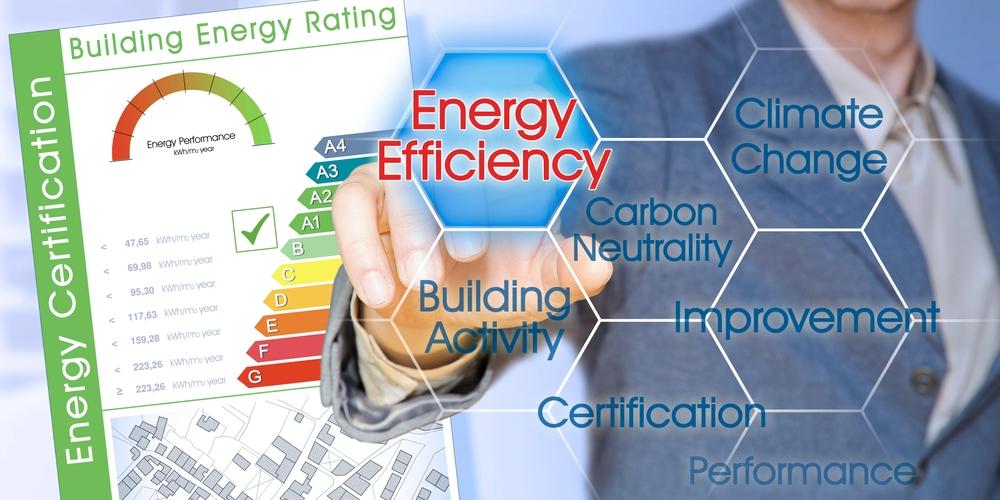
    Energy benchmarking is closely linked to energy certifications and regulatory compliance. Many jurisdictions around the world have implemented building energy disclosure and benchmarking policies that require building owners to report their energy usage data. This data transparency helps create awareness, accountability, and drives energy efficiency improvements.

    Furthermore, energy benchmarking serves as a foundation for various energy certification programs. Certifications, such as LEED (Leadership in Energy and Environmental Design) or BREEAM (Building Research Establishment Environmental Assessment Method), assess and recognize buildings based on their energy performance, sustainability features, and environmental impact. Energy benchmarking data often forms a crucial component of the certification process, providing evidence of a building’s energy efficiency achievements.

    Overcoming Challenges in Energy Benchmarking

    While energy benchmarking offers substantial benefits, several challenges need to be addressed for its effective implementation. One challenge involves data availability and quality. Accurate benchmarking relies on reliable and consistent energy data, which can be challenging to obtain, especially for older or less sophisticated buildings. Building owners and managers must invest in robust data collection systems and ensure the accuracy and completeness of the data they collect.

    Another challenge revolves around privacy concerns and data sharing. Building energy data often contains sensitive information that must be handled with care. Appropriate measures, such as anonymization or aggregation, should be implemented to protect privacy while still enabling effective benchmarking and comparisons.

    Training and awareness are essential for successful energy benchmarking initiatives. Building owners and managers need to understand the benefits, methodologies, and tools associated with benchmarking. Education and training programs can equip them with the necessary skills to implement benchmarking effectively and derive meaningful insights from the data.

    To overcome these challenges, policymakers can provide support through the development of standardized protocols, data exchange frameworks, and incentives. Governments can also play a role in promoting awareness, providing training resources, and facilitating collaboration among stakeholders to drive widespread adoption of energy benchmarking practices.

    Case Studies and Success Stories

    Effectiveness of Energy Benchmarking - Case Studies

    Numerous case studies highlight the effectiveness of energy benchmarking in achieving substantial energy savings. For example, the Empire State Building in New York City implemented an energy efficiency retrofit that included energy benchmarking. By comparing its energy performance against similar buildings, the Empire State Building identified areas for improvement and implemented measures that led to a 38% reduction in energy consumption and $4.4 million in annual energy savings.

    Another success story comes from the city of Seattle, which implemented a mandatory energy benchmarking and reporting program for commercial and multifamily buildings. Over time, the program has helped the city’s buildings achieve an average energy use reduction of 10% and has catalyzed investments in energy efficiency measures.

    These examples demonstrate the transformative potential of energy benchmarking in driving significant energy savings and fostering sustainability in the built environment.

    Future Trends and Innovations in Energy Benchmarking

    Looking ahead, energy benchmarking is expected to evolve and benefit from emerging trends and innovations. Technological advancements, such as the Internet of Things (IoT), sensor technologies, and building automation systems, will facilitate real-time data collection and analysis, enabling more dynamic benchmarking practices.

    Artificial intelligence (AI) and Machine Learning (ML) will play a significant role in enhancing energy benchmarking. These technologies can analyze vast amounts of data, identify patterns, and provide actionable insights for energy efficiency improvements. AI-powered benchmarking systems can continuously monitor and optimize building performance, adapt to changing occupancy patterns, and suggest energy-saving measures based on real-time data.

    Moreover, international efforts to standardize benchmarking protocols and develop more comprehensive frameworks will provide a solid foundation for global energy benchmarking practices. Such standardization will enable better data comparability, foster collaboration across borders, and support the development of comprehensive international benchmarks.

    Conclusion

    Energy benchmarking is a critical tool for achieving building efficiency and reducing energy consumption. By providing accurate measurement, facilitating comparisons, and driving energy efficiency improvements, benchmarking empowers building owners and managers to make informed decisions and take effective actions.

    The significance of energy benchmarking will keep increasing as the world’s attention turns more and more toward sustainability. Building owners, managers, and legislators may realize significant energy savings, lower greenhouse gas emissions, and contribute to a more sustainable and resilient built environment by giving energy benchmarking programs top priority. Adopting energy benchmarking is a commitment to a greener and more energy-efficient environment as well as an investment in the future.

    If you are looking for an expert Commercial Energy Audit and Benchmark Compliance consultancy, look no further! Contact us at Vertpro.com! We are an award-winning Energy Benchmarking and Audit Consultancy, recognized on Inc. 5000, providing innovative SaaS technology-based solutions for Building Owners & Property Managers to Simplify Energy Compliance with all 50+ Energy Benchmarking & Energy Efficiency Laws Nationwide. From Energy Benchmarking to Energy Audits/RCx Plus, Building Upgrades and Construction Marketplace, VertPro® has you covered.

  • Guide to San Francisco Energy Benchmarking

    Guide to San Francisco Energy Benchmarking

    Are you tired of locating the best available energy data for San Francisco? If so, then look no further! Our guide to San Francisco’s energy benchmarking portal has all the necessary information. We’ll take you through each step with ease, clearly outlining what is needed to understand better and improve your building or portfolio’s energy use. With our help, you’ll be able to access actionable insights from real-time and historical performance metrics. Whether optimizing existing systems or developing new projects – our guide will show how this portal can provide a competitive advantage over other cities worldwide!

    What Is San Francisco Energy Benchmarking?

    San Francisco Energy Benchmarking is a citywide initiative to provide San Francisco building owners with a way to measure and report their properties’ energy use. This groundbreaking program helps property owners save money on energy costs by tracking their usage and making informed decisions about sustainability improvements. It uses benchmarking software to compare a building’s energy performance to similar buildings in the area, allowing property owners to identify areas where they can reduce waste and increase efficiency. The generated data allows property owners and policy-makers to make informed decisions regarding energy management practices that can help reduce the city’s greenhouse gas emissions while saving money in the long run.

    Who Can Comply With San Francisco Energy Benchmarking?

    Energy efficiency has never been easier in San Francisco, thanks to energy benchmarking! Energy benchmarking is the process of measuring energy consumption relative to energy performance standards. It’s a framework that lets folks know how much energy their building or structure uses compared to similar buildings.

    Anyone can use San Francisco’s energy benchmarking initiatives and tools; this includes property owners, building managers, real estate portfolio companies, and anyone else who needs to meet energy efficiency requirements. To get started with energy benchmarking in San Francisco, you’ll need access to the EPA’s Energy Star Portfolio Manager—a free online tool designed specifically for service providers and end users. With it, you can enter your building or structure’s information, such as location, square footage, and energy sources—as well as energy usage estimates— to easily track your progress on reaching greater energy efficiency goals.

    Guide To San Francisco Energy Benchmarking Portal

    San Francisco has recently released its online Energy Benchmarking Portal, a definitive guide that outlines the city’s Buildings Energy Performance Ordinance. As part of this ordinance, building owners and operators in San Francisco must request energy usage data from tenants annually. This information allows the city of San Francisco to understand better how and why buildings use energy, enabling them to develop more efficient solutions while keeping costs down. With the San Francisco Energy Benchmarking Portal, building owners receive energy benchmarks for their own units and information about local resources, incentives, programs, and other best practices related to energy efficiency.

    What Are Requirements For San Francisco Energy Benchmarking

    For energy benchmarking in San Francisco, energy use data must be reported to the Department of Environment every three years. Energy performance metrics must be compared to similar buildings using energy scorecard metrics. Furthermore, energy auditors with sufficient training, experience, and expertise must perform energy audits and commission energy efficiency retrofits in compliance with city building energy efficiency requirements. Buildings entering the Energy Scorecard program must meet specific size and electrical energy use criteria. At the same time, all other structures are subject to voluntary benchmarking, giving landlords serious incentives to evaluate how their buildings are performing regarding energy use.

    Deadline For San Francisco Energy Benchmarking Report

    SF Energy Benchmarking ReportAre you a building owner in San Francisco? If so, don’t miss the energy benchmarking report deadline! Every year, owners of non-residential buildings over 10,000 square feet can participate in energy benchmarking. The goal is to assess energy performance and decrease energy use with energy efficiency upgrades. All energy benchmarking reports must be completed by June 1st in order to comply with the regulations set by the California Energy Commission and receive their Energy Star Score. Using the data gathered from this report, owners will have all the information they need to identify energy-saving opportunities in their facility and make meaningful investments to improve energy efficiency. Get started today on meeting this important deadline for your energy benchmarking report!

    Penalty For San Francisco Energy Benchmarking Report

    The San Francisco energy benchmarking report is a vital measure of how energy is used in buildings and commercial spaces throughout the city. There are serious consequences for households and businesses that fail to comply with these standards. Non-compliance can lead to a civil penalty fine ranging from three hundred to six thousand dollars. Additionally, failure to submit the necessary online forms annually can result in administrative fines of up to five thousand dollars for each violation. Citizens of San Francisco and business owners must take responsibility and ensure compliance with this essential city policy—otherwise, financial penalties may apply.

    Benefits Of San Francisco Energy Benchmarking

    Let’s have a look at the benefits:

    1. Increased Productivity: San Francisco energy benchmarking is an effective way to reduce energy consumption in buildings and save money as a result. By tracking and analyzing building energy data, businesses can make informed decisions about improving efficiency and reducing costs. This improved efficiency can increase employee productivity, allowing them to focus their efforts on more important tasks.

    2. Improved Environmental Impact: San Francisco energy benchmarking helps reduce the energy consumed in buildings and make them more sustainable. By using less energy, businesses can reduce their carbon footprint and help to slow the rate of climate change. This can have a positive impact on both people and the environment.

    3. Money Saved: San Francisco energy benchmarking can help businesses save money on their energy bills. By reducing the energy used in buildings, businesses can reduce their monthly costs and put that money toward other initiatives. This can have a positive effect on the bottom line and help to improve profitability.

    4. Increased Awareness: Doing an energy audit on a building can help raise employees’ awareness about how their energy consumption affects the environment. This improved understanding can lead to more responsible energy use, reducing costs and improving efficiency.

    5. Improved Building Performance: Businesses can identify areas where improvements can be made by tracking and analyzing building energy data. This could include things like replacing old equipment with more efficient models, improving insulation, or installing solar panels. All these improvements can lead to better building performance and a higher comfort level for occupants.

    Overall, San Francisco energy benchmarking offers numerous benefits for businesses in terms of improved efficiency, reduced costs, and increased sustainability. By taking the time to track and analyze energy data, businesses can make informed decisions about reducing their energy consumption and making their buildings more efficient. This can lead to improved productivity, environmental impact, and money saved in the long run.

    Things To Consider When Complying With San Francisco Energy Benchmarking

    Complying with San Francisco Energy BenchmarkingHere is what you should consider when complying with San Francisco benchmarking:

    1. Energy Audits: An energy audit is a comprehensive assessment of your building’s current energy use and can help identify potential areas for improvement. Make sure to take advantage of this service, as it can help you meet the benchmarking requirements more efficiently.

    2. Benchmarking: San Francisco requires a full analysis on a building’s benchmarking performance, as well as the potential for improvement. Make sure to keep track of any changes you make so that it can be reflected in the analysis.

    3. Reporting: San Francisco requires annual energy reports on buildings larger than 10,000 square feet. Accurately tracking and reporting energy use is essential for meeting the benchmarking requirements.

    4. Documentation: Keep detailed records of all energy-efficient upgrades for your building, such as new equipment, insulation, or lighting changes. This documentation will be necessary when filing annual reports.

    5. System Upgrades: It may be necessary to upgrade existing systems, such as HVAC and lighting, to meet the benchmarking requirements. Make sure to research your options and choose upgrades that provide maximum efficiency and cost savings.

    6. Financing: San Francisco provides incentives for energy-efficient upgrades, such as rebates or grants. Leverage these resources to improve your building’s efficiency cost-effectively.

    7. Compliance: Make sure to stay up-to-date on all the benchmarking requirements. San Francisco occasionally changes the rules, so it’s important to comply with all regulations.

    Following these guidelines will help ensure that your building meets and exceeds the San Francisco Energy Benchmarking standards. Taking a proactive approach and making small changes can save time, money, and energy in the long run.

    Conclusion

    The City of San Francisco has made it easy for building owners to find out how their buildings measure up in terms of energy performance with the Benchmarking Portal. With this valuable tool, you can track your progress over time and compare your building’s energy use to similar properties across San Francisco. Energy benchmarking can be a time-consuming and confusing process. Need help? VertPro® simplifies energy benchmarking for your entire portfolio! It’s as easy as 1,2,3! Sign up for free today at VertPro®.

    Making your property more energy efficient not only saves you money, but also reduces greenhouse gas emissions and helps create a healthier environment for everyone. Log into the portal today and start benchmarking your property’s energy performance.