Tag: green energy sources

  • How Transforming to Green Real Estate Can Boost Your Property Value

    How Transforming to Green Real Estate Can Boost Your Property Value

    Introduction

    Have you ever considered that your home or investment property could contribute to a healthier planet and a healthier wallet? Welcome to the realm of green real estate, where sustainability and profitability intertwine to redefine the future of living spaces. As the urgency for sustainable living escalates, so does the allure of green properties. This is not just about “going green” for the sake of trends; it’s about making smart decisions that pay dividends in the long run. This blog post will unfurl the green carpet, guiding you through what green real estate is, its growing importance, and how it can fatten your property’s value. Buckle up, eco-pioneers and savvy investors—your green journey starts here!

    Understanding Green Real Estate

    Detailed Definition and Explanation of Green Real Estate

    At its core, green real estate embodies the principles of sustainability within the property domain. It’s an approach to development that minimizes environmental impact and maximizes resource efficiency. These properties aren’t merely adorned with a few energy-saving light bulbs; they are integrally designed or modified to be energy-efficient, water-conservative, and resource-resilient right from their very foundation. 

    Key Components and Features of Green Real Estate

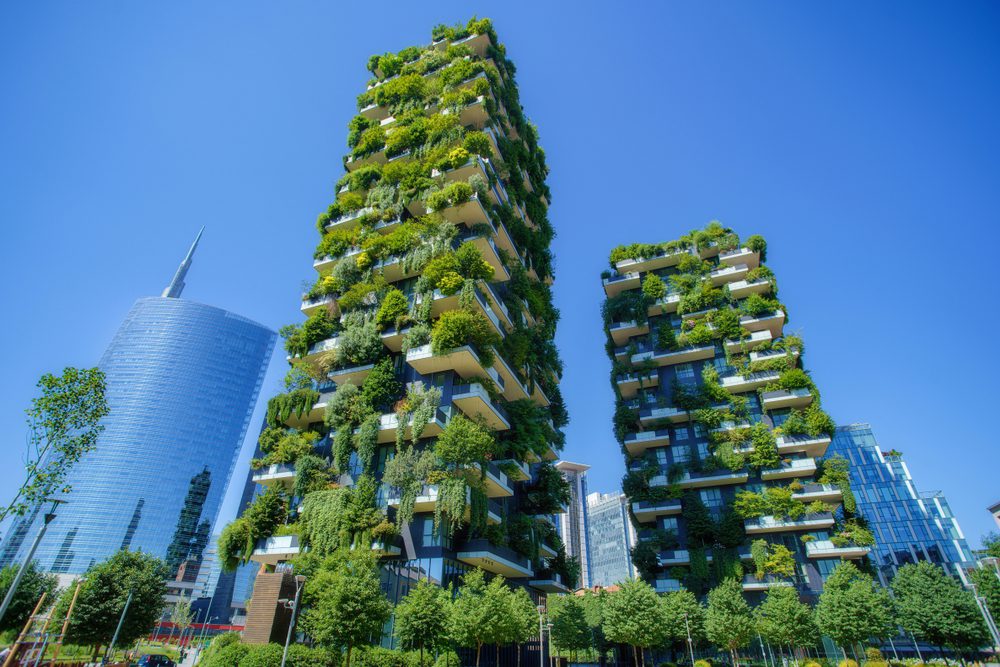
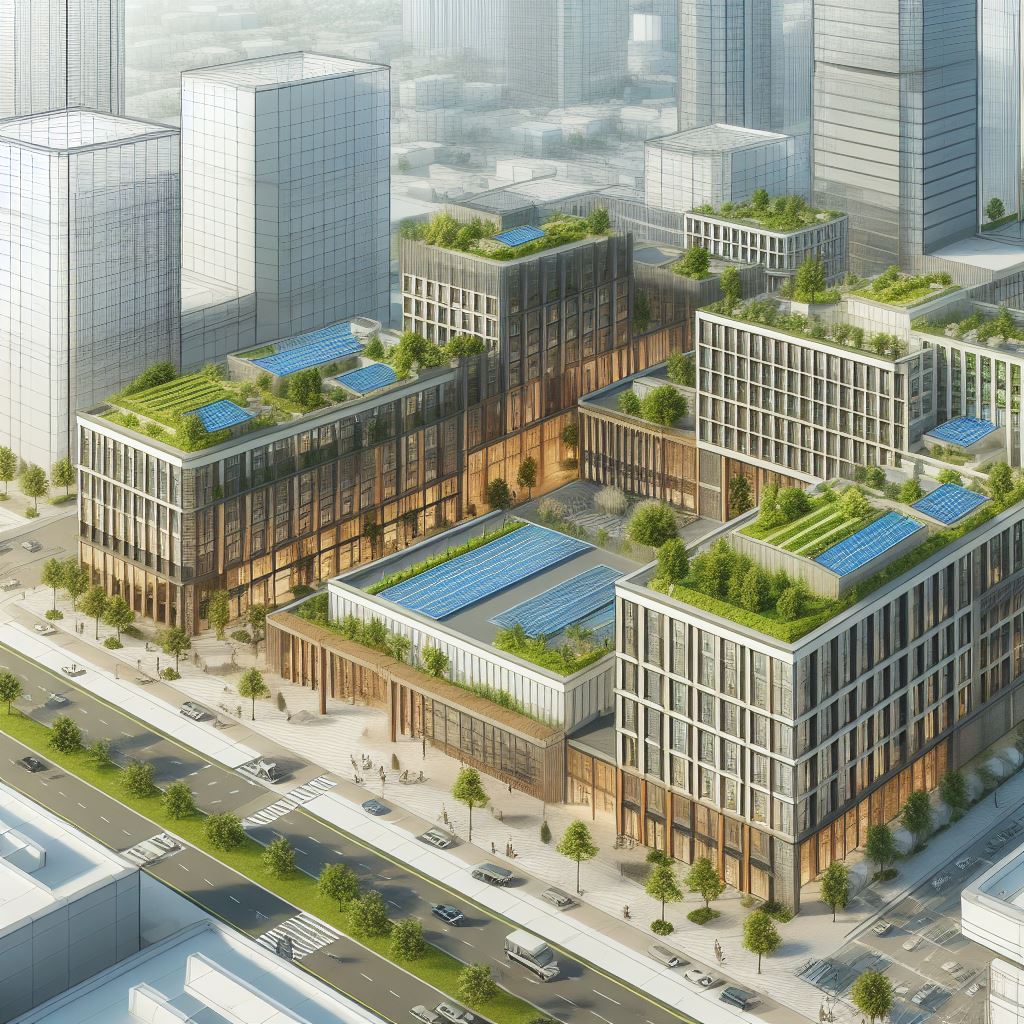
    Imagine walking into a home where the air is purer, the light is natural, and your utility bills are a fraction of the norm. This is the green real estate promise. Key components include solar panels, green roofs, rainwater harvesting systems, energy-efficient insulations and windows, and HVAC systems that can make Einstein’s head spin with their efficiency.

    Differences Between Traditional and Green Real Estate

    Old-school properties often play catch-up with green standards. The primary distinction lies in design philosophy: traditional buildings focus on upfront cost, while green buildings focus on the life-cycle cost. This means traditional properties may be cheaper initially, but green properties save owners a heap of cash in the long term through lower operating costs.

    Importance of Green Real Estate

    Ecological Benefits: Saving Resources, Reducing Carbon Footprint

    One of green real estate’s standout triumphs is its gentle caress on Mother Earth. By using less energy, generating fewer emissions, and conserving water, green buildings are environmental superheroes. They combat climate change in concrete form—quite literally.

    Health Benefits: Improved Indoor Air Quality, Natural Light, etc.

    Green homes could serve as your personal health retreat. Studies have shown that indoor air quality drastically improves with green design, as it often utilizes low-VOC materials and promotes better ventilation. Natural light floods the space, reducing the need for artificial lighting and boosting your vitamin D and happiness levels.

    Economic Benefits: Energy Efficiency Leading to Cost Savings

    When the green real estate movement says it will save you money, it’s not just blowing eco-friendly smoke. From reduced utility bills to lower renovation costs due to durable materials, going green is synonymous with saving green.

    How Green Real Estate Can Boost Property Value

    Higher Demand for Energy-Efficient Homes

    It’s simple supply and demand. As more buyers and renters become eco-conscious, the demand for energy-efficient homes skyrockets. Green real estate becomes the belle of the ball, and properties that boast sustainable features often see their value appreciate faster than a speeding bullet—well, almost. 

    Potential for Increased Rental Income

    Sustainability can also mean sustainably higher rents. Tenants are increasingly willing to pay a premium for living spaces that support their ecological values and offer lower running costs. It’s a win-win: they save on bills, you earn more on rent.

    Lower Maintenance and Operating Costs

    Green properties are like the vehicles that only need an oil change every 10,000 miles—they just keep going with minimal fuss. Energy-efficient appliances break down less often, and sustainable materials tend to be hardier. This means spending less time with repair crews and more time marvelling at your reduced maintenance bills.

    Higher Resale Value Due to Unique Selling Points

    When it’s time to sell, green real estate properties have a legion of unique selling points. Whether it’s the solar panels that slash electricity bills, or the gray water system that keeps the garden lush, these features can make your property as enticing as the last slice of cake at a birthday party.

    Financial Incentives from Government and Other Bodies

    Governments worldwide are pushing for greener living, often putting their money where their mouth is. Many offer juicy incentives for green real estate initiatives, including tax breaks, rebates, and subsidies, making it even more financially savvy to go green.

    Steps to Transform Your Property into Green Real Estate
    Conducting Energy Audit

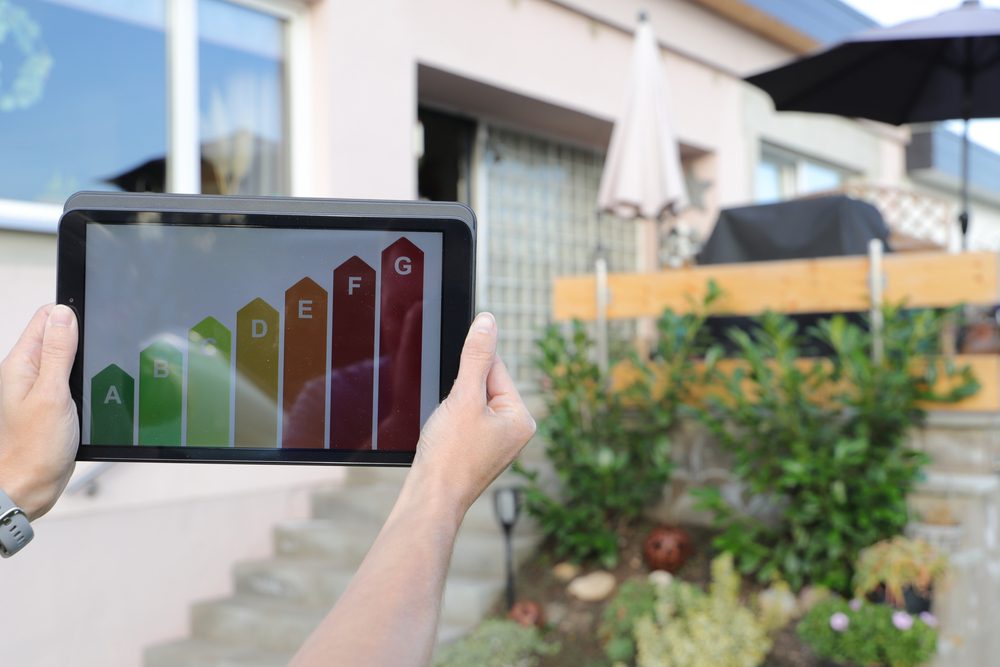
    A good old-fashioned energy audit is your first step, acting as a treasure map to unveil the energy leaks in your property. It’s a critical eye that spots where you could be saving energy and money, setting the stage for your green transformation.

    Optimizing Natural Light

    Harnessing natural light not only slashes your lighting bill but also creates a warm and inviting atmosphere. Think beyond windows—consider skylights and light tubes to brighten up the darkest corners of your property.

    Investing in Energy-Efficient Appliances

    Out with the old, in with the new energy-efficient appliances. These modern marvels can consume up to 50% less energy than their ancient ancestors, which means they practically pay for themselves over time with the savings they accrue.

    Installing Renewable Energy Sources (solar panels, wind turbines, etc.)

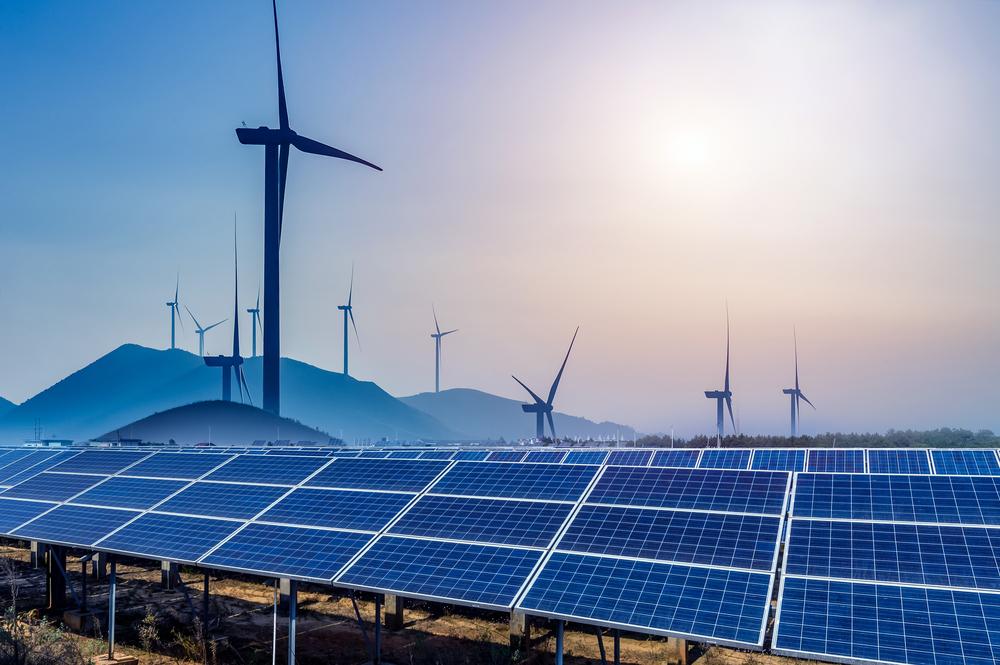
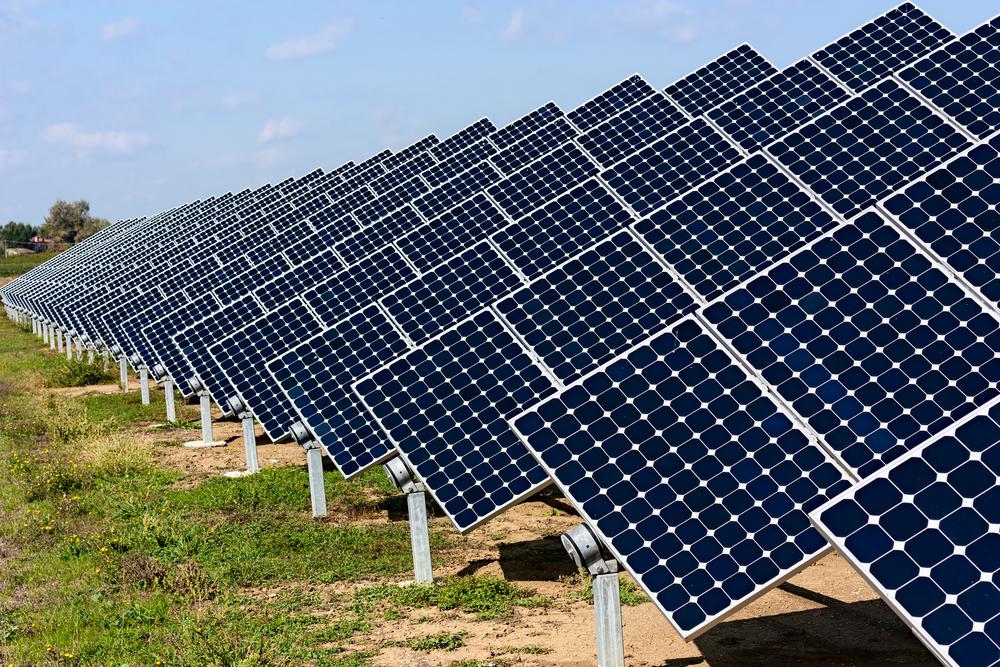
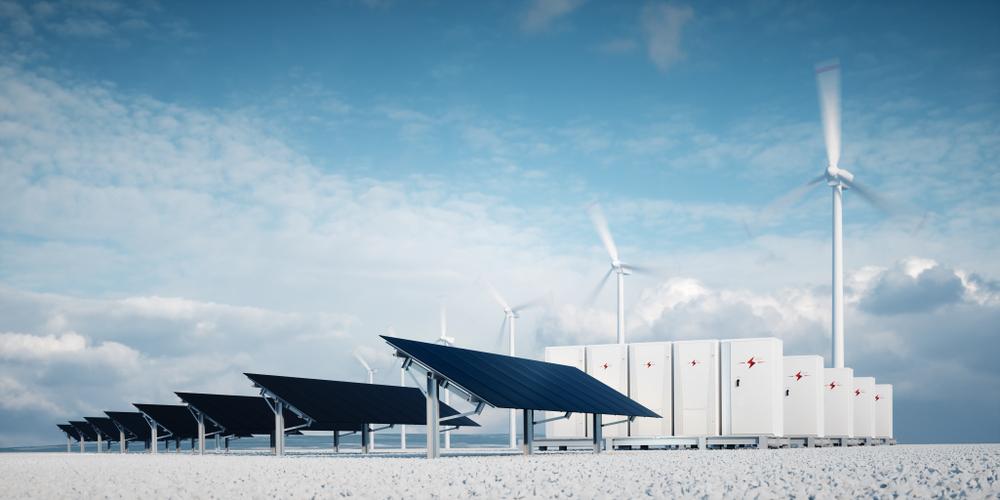
    Renewable energy sources may sound like something out of science fiction, but they’re here and ready to revolutionize how you power your property. Solar panels and wind turbines can turn your real estate into a mini power plant, often generating more energy than you consume.

    Incorporating Water-Efficient Systems

    Water is the new gold, and saving it is crucial. By installing low-flow fixtures and adopting intelligent irrigation systems, you’re not only conserving precious H2O but ensuring your property has a sustainable and cost-effective water use plan.

    Using Sustainable Building Materials

    What’s your property made of? By choosing sustainable building materials like bamboo flooring, recycled glass countertops, or reclaimed wood, you reduce the environmental footprint of your property and add an alluring eco-friendly narrative to its story.

    Conclusion

    Diving into green real estate is more than just a noble pursuit—it’s a savvy business move. This comprehensive tour has showcased just how far-reaching the benefits of green properties are, from the tangible perks of lower utility bills and maintenance costs to the intangible but invaluable impact on our planet. Whether you’re a homeowner or a property mogul, the message is clear: the green revolution in real estate is here to stay, and it’s laden with opportunities. By taking steps to transform your property, you’ll not only keep up with the times but also set yourself apart in an increasingly competitive market. It’s time to embrace the green wave and watch as your property value—and your eco-credentials—soar. 

    VertPro.com serves as a resourceful platform for property owners and managers seeking to enhance their buildings’ energy efficiency. The site offers a range of services, including Commercial Energy Audits, Benchmark Compliance consultancy, and a Construction Marketplace. At the heart of VertPro® is a suite of SaaS technology-based solutions designed to assist in navigating the complexities of Energy Benchmarking and Energy Audits/RCx Plus, while ensuring adherence to over 60 Energy Benchmarking and Energy Efficiency Laws across the country.

    For those looking to improve their property’s energy usage and operational value, VertPro.com provides a diverse array of tools and information. The site aims to facilitate a better understanding of energy efficiency practices and legislation, helping building owners and property managers make informed decisions about their energy strategies while complying with all energy ordinances and laws.

  • Navigating popular green building certifications: Requirements and Benefits

    Navigating popular green building certifications: Requirements and Benefits

    I. Introduction 

    In an era marked by environmental awareness and sustainability, the construction industry is undergoing a remarkable transformation. The concept of green building has become synonymous with responsible construction practices, emphasizing the efficient use of resources, environmental stewardship, and the well-being of building occupants. Central to the green building movement are certifications, which serve as structured roadmaps to ensure that buildings adhere to the highest sustainability standards. This blog is your guide to understanding the world of popular green building certifications, their extensive requirements, and the manifold benefits they bring to the table.

    II. Understanding Green Building Certifications

    Defining Green Building Certifications 

    Before we embark on this exploration, let’s establish precisely what green building certifications entail. They are holistic evaluation systems that rigorously assess a building’s environmental performance. These certifications extend far beyond mere accolades; they are indispensable tools for architects, builders, and developers, steering them toward the creation of energy-efficient, eco-conscious, and health-centric structures.

    Key Certifying Organizations 

    Various organizations worldwide spearhead the green building certification movement, each with its own unique framework. Some of the most prominent certifying bodies include:  

    1. LEED (Leadership in Energy and Environmental Design): Operated by the U.S. Green Building Council, LEED is globally recognized for its focus on sustainability, energy efficiency, and environmental responsibility.
    2. BREEAM (Building Research Establishment Environmental Assessment Method): Originating in the United Kingdom, BREEAM has a stronghold in Europe and assesses a range of factors, from energy use to materials sourcing.
    3. Green Globes: Developed by the Green Building Initiative, Green Globes offers a flexible approach to assessing a building’s sustainability, making it popular in North America.
    4. Passive House: Hailing from Germany, the Passive House standard is synonymous with ultra-energy efficiency, leading to buildings that require minimal heating and cooling.

    Different Levels of Certification 

    These organizations offer various certification levels, ranging from basic certification to platinum or diamond levels. The higher the level, the more exacting the requirements, and the more significant the environmental impact reduction.

    III. The Requirements of Green Building Certifications

    Green Building Certification RequirementsOverview of Common Certification Requirements 

    Green building certifications address multiple dimensions of sustainability. These typically encompass:

    A. Sustainable Site Selection and Design

     – Location and Transportation: This criteria evaluates a project’s accessibility to public transportation and its impact on the environment. 

    – Sustainable Site Development: This category encompasses the evaluation of land use, landscaping practices, and ecosystem preservation.

    B. Energy Efficiency and Renewable Energy

    – Efficient Building Envelope: Focusing on aspects such as insulation, air sealing, and thermal performance to minimize energy loss. 

    – Energy-Conserving Systems: Encouraging the utilization of energy-efficient HVAC systems, lighting, and appliances.

    C. Water Efficiency and Conservation

    – Water-Reducing Fixtures: Encouraging the installation of low-flow faucets, showerheads, and toilets.

    – Rainwater Harvesting: Promoting the collection and use of rainwater for non-potable purposes.

    D. Indoor Environmental Quality

    – Ventilation and Air Quality: Ensuring proper ventilation and air filtration systems to promote healthier indoor air.

    – Daylighting and Views: Enhancing occupant well-being through increased natural lighting and outdoor views.

    E. Materials and Resources

    – Sustainable Sourcing: Encouraging the use of responsibly sourced materials, including recycled and locally produced items.

    – Waste Reduction and Recycling: Promoting the reduction of construction waste through recycling and reuse.  

    F. Innovation and Regional Priority Credits

    These sections recognize out-of-the-box thinking and allow projects to earn additional credits for innovative sustainability practices and regional considerations.  

    IV. Benefits of Achieving Green Building Certifications

    A. Environmental Benefits

    Green building certifications make a substantial contribution to environmental preservation. They result in:  

    – Reduced Carbon Footprint: By emphasizing energy efficiency and the use of renewable energy sources, certified buildings generate fewer greenhouse gas emissions. 

    – Water Conservation: Certifications encourage efficient water use and conservation. 

    – Biodiversity Preservation: Sustainable site development and landscaping practices support local ecosystems.  

    B. Economic Benefits

    The financial advantages of green building certifications are substantial:  

    – Energy and Resource Savings: Reduced energy and water consumption translate into long-term operational cost savings.

    – Increased Property Value: Certified buildings often command higher resale and rental values.

    – Lower Operating Costs: Reduced energy and water bills lead to diminished operational expenses.  

    C. Social Benefits

    Green buildings positively impact occupant well-being and community engagement:  

    – Improved Occupant Health and Well-being: Enhanced indoor air quality, natural lighting, and comfortable temperatures promote better health and productivity among building occupants. 

    – Community Engagement and Awareness: Green building projects contribute to community education and promote eco-conscious behavior.

    D. Regulatory and Incentive Benefits

    Achieving certification also brings regulatory and incentive advantages:  

    – Compliance with Regulations: Many jurisdictions now require or encourage green building practices. 

    – Tax Incentives and Rebates: Governments and utilities often offer financial incentives to support green building projects.

    E. Competitive Advantage

    In a world increasingly focused on sustainability, certified buildings have a competitive edge:  

    – Market Differentiation: Green building certification serves as a marketing tool, setting your project apart from non-certified competitors. 

    – Attracting Eco-conscious Tenants or Buyers: Eco-conscious businesses and individuals actively seek out green-certified properties.

    V. Challenges and Considerations

    Green Building Certifications - Challenges

    While the benefits of green building certifications are clear, there are challenges and considerations to be aware of:

    A. Cost Implications

    Investing in sustainable practices and materials can initially be more expensive. However, these costs are often offset by long-term savings in energy and operational expenses.

    B. Design and Construction Challenges

    Green buildings may require innovative design and construction practices, which may demand additional expertise and time.

    C. Certification Process and Documentation

    Navigating the certification process can be complex, with rigorous documentation requirements.

    D. Maintenance and Ongoing Commitment

    Sustaining green building practices and maintaining the certification standards require continuous effort and investment.  

    VI. Tips for Navigating Green Building Certifications

    As you embark on your green building journey, consider the following tips:  

    A. Start Early in the Design Process

    Integrate sustainability into the project from the beginning to maximize benefits and minimize costs.

    B. Collaborate with Sustainability Experts

    Engage professionals with expertise in green building practices to ensure success.

    C. Stay Informed About Updates and Changes

    Certification standards can evolve, so staying up to date is essential.

    D. Focus on the Most Applicable Certification for Your Project

    Select the certification that aligns best with your project’s goals and objectives.

    E. Consider Long-Term Sustainability Goals

    Think beyond certification to your project’s long-term sustainability and environmental impact.

    VII. Conclusion 

    Green building certifications are not just about constructing structures; they are about shaping a more sustainable and resilient future. By adhering to the stringent requirements of these certifications, we contribute to the global effort to reduce our carbon footprint, conserve natural resources, and improve the quality of life for current and future generations. The benefits, both environmental and economic, are substantial. While challenges exist, they are surmountable, and the advantages far outweigh the drawbacks.  

    So, whether you’re an architect, builder, or developer, embracing green building certifications is a vital step toward creating a better, greener world for us all. As we move forward, the future of green building and sustainability in construction is brighter than ever. It’s a world where buildings not only shelter but also heal, inspire, and preserve the planet for generations to come. 

    Discover how VertPro.com can elevate your property’s energy efficiency to new heights. We are your ultimate destination for all things related to Commercial Energy Audits, Benchmark Compliance consultancy, and access to our state-of-the-art Construction Marketplace. As trailblazers in the industry, VertPro® empowers Building Owners and Property Managers across the nation with innovative SaaS technology-based solutions. From Energy Benchmarking to Energy Audits/RCx Plus, we’re dedicated to ensuring compliance with over 50 Energy Benchmarking and Energy Efficiency Laws.

    Now is the time to seize the opportunity to maximize your property’s energy potential and value. Explore VertPro.com’s comprehensive solutions today and let us be the catalyst for the transformation your property deserves. Your energy-efficient future starts here!

  • The Evolution of Green Building Policy in 2023 and Beyond

    The Evolution of Green Building Policy in 2023 and Beyond

    In a world where skyscrapers touch the sky and cities pulse with life, a quieter yet profound revolution is reshaping our urban landscapes—one that envisions buildings not just as structures of steel and glass, but as beacons of sustainability and stewards of our fragile planet. As the clock ticks on environmental concerns and the effects of climate change become more palpable, the concept of sustainable construction has evolved from a fringe idea to an imperative necessity. At the heart of this transformation lies the dynamic evolution of green building policies, driving the construction industry to embrace innovation, responsibility, and a commitment to a greener future. In the year 2023, these policies stand not as mere regulations, but as the foundation upon which our sustainable tomorrows will be built.

    The Foundation of Green Building Policies 

    The roots of green building policies can be traced back to the 1960s and 70s, a period marked by heightened environmental awareness. The first Earth Day in 1970 and the oil crisis of 1973 were pivotal moments that catalyzed a shift towards more sustainable practices. Early policies primarily focused on energy conservation and waste reduction, laying the groundwork for the more comprehensive regulations that would follow. 

    Milestones such as the creation of the Leadership in Energy and Environmental Design (LEED) certification system in 1998 and the subsequent launch of similar systems like BREEAM in the UK underscored the growing interest in environmentally friendly construction. These early initiatives emphasized energy-efficient designs, water conservation, and responsible material usage. Their success paved the way for governments worldwide to take bolder steps in shaping green building policies. 

    The Current State of Green Building Policy in 2023

    2023 Green Building Policies

    As we stand on the threshold of 2023, green building policies have become a global phenomenon, varying in depth and scope from region to region. Nations and municipalities across the world have enacted regulations that demand compliance with specific sustainability standards. These policies touch upon various facets of construction, from energy performance and water management to site selection and occupant well-being. 

    One key feature that has gained prominence is the adoption of green building certification systems. The LEED certification, for instance, has become a hallmark of sustainable buildings, encouraging compliance with a set of internationally recognized benchmarks. Similar systems like BREEAM, developed in the UK, and Green Star in Australia have amplified the importance of green construction practices.

    The Driving Forces Behind Policy Evolution 

    The accelerated evolution of green building policies in recent years can be attributed to a convergence of compelling factors. The scientific consensus on climate change and its direct correlation with the built environment has acted as a clarion call for action. The realization that buildings are not only contributors to environmental degradation but also crucial players in its mitigation has propelled governments to enact stricter policies. 

    Public awareness and demand for greener and healthier living spaces have further bolstered policy evolution. With more individuals understanding the long-term benefits of energy-efficient buildings, there has been an increased market demand for sustainable structures. This shift in consumer preferences has driven the construction industry to adopt greener practices to remain competitive. 

    Technological advancements have also been pivotal in enabling the evolution of green building policies. Innovations in materials, construction techniques, and renewable energy systems have made it more feasible to construct environmentally friendly buildings without compromising aesthetics or functionality. These advancements have debunked the myth that sustainability comes at a higher cost. 

    Economic benefits have also played a role in accelerating policy evolution. Green buildings have been found to significantly reduce energy consumption and operational costs over their lifespan, offering substantial savings to both owners and occupants. Additionally, the growth of the green construction sector has led to the creation of new jobs and economic opportunities.

    Challenges and Obstacles

    Despite undeniable progress, the path to comprehensive green building policies has been riddled with challenges. One of the primary obstacles is the initial cost associated with implementing sustainable practices. While green buildings offer long-term savings, the upfront investment can deter some stakeholders. This challenge calls for innovative financing models that make sustainability more accessible. 

    Lack of awareness and education is another hurdle. Many individuals, including industry professionals, remain unaware of the latest green building practices and their benefits. Raising awareness through education and training is essential to bridge this gap. 

    Resistance to change is a common human tendency that extends to the construction industry. Traditional practices often hold sway due to familiarity, making it difficult to introduce newer, greener methods. Regulatory bodies must work hand in hand with industry players to foster a culture of change. 

    Conflicting regulations and bureaucratic red tape can also hinder the effective implementation of green building policies. Harmonizing green building regulations with existing codes is crucial to avoid confusion and ensure compliance.

    The Future of Green Building Policies

    As we look beyond 2023, several trends indicate the potential directions that green building policies might take. The integration of advanced technologies like artificial intelligence (AI) and the Internet of Things (IoT) is poised to revolutionize building management and optimization. Smart systems will enable real-time monitoring and adjustments to enhance energy efficiency and occupant comfort. 

    Circular economy principles will likely play a more significant role in shaping green building policies. Emphasis on reusing and recycling materials will reduce waste and resource depletion. Governments may introduce incentives for adopting circular construction practices, creating a more sustainable lifecycle for buildings. 

    The extension of policies to cover existing buildings is an inevitable step to maximize environmental impact. Retrofitting and renovating older structures to meet green standards will be crucial in reducing the overall carbon footprint of the built environment. 

    Global collaboration is another trajectory that holds promise. Standardizing green building practices and certification systems on a global scale can streamline policies, facilitate cross-border construction, and create a consistent framework for sustainable development. 

    Advantages and Benefits

    The advantages of robust green building policies are manifold. Reduction of greenhouse gas emissions is perhaps the most significant benefit, contributing directly to climate change mitigation. Improved indoor air quality and occupant health are equally vital outcomes, as buildings designed with sustainability in mind prioritize the well-being of those who live and work within them. 

    The creation of green jobs and the stimulation of economic growth is a crucial advantage of sustainable construction. As the demand for green buildings increases, more job opportunities will emerge in fields like energy-efficient design, renewable energy installation, and sustainable material production. 

    Energy efficiency, a cornerstone of green building policies, leads to long-term cost savings for building owners. Reduced energy consumption translates to lower utility bills and operational expenses, enhancing the financial viability of green buildings.

    The Role of Stakeholders

    2023 Green Building Policies - Role of Stakeholders

    The evolution of green building policies necessitates the active involvement of various stakeholders. Governments must enact and enforce regulations that foster sustainable practices. Industries, including construction and materials, need to innovate and adopt greener methods. Non-governmental organizations (NGOs) play a role in advocacy and education, while communities and individuals drive demand for sustainable buildings. Transparent communication and collaboration between these stakeholders are essential to ensure that policies are not only implemented but also effective in achieving their intended outcomes.

    Conclusion

    As we stand on the cusp of an era defined by its challenges and opportunities, the evolution of green building policies stands as a beacon of hope and a roadmap for progress. The journey from modest beginnings to the global stage has been an odyssey driven by necessity and fueled by innovation. But this journey is far from over; it’s a dynamic narrative that continues to unfold with each brick laid, each solar panel installed, and each policy enacted.  

    The story of green building policies is a story of collective responsibility—a reminder that our built environment is not just a testament to human ingenuity, but a canvas upon which our values, aspirations, and dedication to a sustainable future are vividly painted. By navigating the challenges, leveraging the driving forces, and fostering collaboration among stakeholders, we are crafting a legacy of sustainability that will stand tall alongside our architectural marvels.  

    So, as we gaze toward the horizon of 2023 and beyond, let us remember that the evolution of green building policies is a chapter of our shared narrative, a narrative that has the power to shape cities that breathe, buildings that heal, and a planet that thrives. The future is not just a destination—it’s an ongoing project, and with the foundation of green building policies beneath us, we are building it green, resilient, and boundlessly promising. 

    Elevate your property’s energy efficiency through VertPro® Upgrades, where we not only specialize in Commercial Energy Audit and Benchmark Compliance consultancy but also offer the transformative service of Commercial Roofing through our Construction Marketplace.

    As the trusted leader in this field, VertPro empowers Building Owners & Property Managers nationwide with innovative SaaS technology-based solutions. From Energy Benchmarking to Energy Audits/RCx Plus, our comprehensive approach ensures adherence to over 50 Energy Benchmarking & Energy Efficiency Laws.  

    Don’t miss the chance to maximize your energy potential and property value – explore VertPro.com’s integrated solutions today!

  • Which Renewable Energy is Better, Wind or Solar?

    Which Renewable Energy is Better, Wind or Solar?

    As global energy consumption rises, finding sustainable ways to produce electricity is growing ever more important. Numerous renewable energy sources are available, such as wind and solar power, but which of these should you choose?

    In this blog post, we’ll explore the potential of wind and solar power, their advantages and disadvantages over traditional fuel sources, and their suitability for different locations.

    What is Wind Energy?

    Wind energy is one of the oldest forms of renewable energy. It’s a form of solar energy that harnesses the kinetic power of wind and converts it into useful mechanical or electrical energy. Wind turbines are used to capture the wind’s kinetic power, converting it into electricity through an electric generator.

    This electricity can then be stored in batteries or used to power businesses directly. Wind energy is clean and has few environmental impacts, making it an attractive renewable energy resource for many people.

    Many countries worldwide have invested in wind farms and large collections of wind turbines that generate significant electricity. It is estimated that wind energy could potentially provide up to 20% of global electricity demand by 2050.

    The wind turbine is also becoming more affordable and cost-efficient, making it a viable option as a solar power system for people looking to reduce their carbon footprint. With further technological advancements, wind energy could be the key to a cleaner and more sustainable future.

    At present, wind power is mainly used for electricity generation across Europe and North America. In the US, wind power generates about 5% of total electricity generation. In some countries like Denmark, more than 40% of all power generated comes from wind.

    However, the UK is one of the major players in this area of more green energy sources, with a growing number of wind farms across the country. Wind energy provides an important renewable energy source and is set to significantly contribute to meeting the growing global demand for electricity.

    Pros of Wind and Solar Energy

    The following are the pros of solar and wind energy:

    1. Wind energy is a renewable power source, of energy which means it will never run out and is continually replenished. It does not emit any air pollution, making it an attractive form of clean and green energy.

    2. Wind turbines are a more efficient power source and can produce large amounts of energy over their life span, making them an attractive form of energy generation in rural regions.

    3. Wind turbines can be installed onshore or offshore, depending on the location’s wind patterns. This flexibility allows for greater access to potential sources of energy.

    4. Wind energy has the potential to create thousands of new jobs in installation and maintenance, as well as related industries such as manufacturing and research & development.

    5. Once installed, operating costs are relatively low since no fuel is required to move solar panels and the wind turbines generate energy from the wind.

    6. Wind turbines and solar panels can be installed in areas unsuitable for traditional development forms, preserving natural habitats while providing clean energy.

    7. Solar and Wind emit no carbon dioxide or other greenhouse gases, making it a form of clean energy that can help reduce our carbon footprint.

    8. Wind is widely available in many parts of the world, making it an ideal renewable energy source.

    9. With advances in technology, wind turbines are now much quieter than they used to be, reducing the noise pollution associated with wind energy production.

    10. Wind turbines require minimal maintenance compared to other forms of energy generation, making the less maintenance of them an attractive option for green energy and producers.

    Cons of Wind Energy

    The following are the cons of wind energy:

    1. Wind energy systems can be expensive to install, especially large-scale ones. It can cost millions of dollars to build just one wind turbine farm.

    2. Wind turbines require reliable wind in order to generate electricity, so they are not always the best option for remote locations that don’t have access to regular wind sources.

    3. Wind turbines can have a negative effect on the local environment by disturbing wildlife habitats, interfering with migration paths, and even affecting weather patterns in some areas.

    What is Solar Energy?

    Explained Solar Energy

    Solar energy is the form of energy that is derived from the sun. It is one of the most abundant and clean sources of renewable energy available. Solar energy has been around since ancient times, but modern advances in technology have made it much easier to capture and convert into usable electricity or heat.

    Solar power can be used to generate electricity, heat water for hot showers, or provide lighting for businesses. It can even be used to produce renewable fuels such as hydrogen. Solar energy is an incredibly efficient, clean, renewable energy source that will help reduce our dependence on fossil fuels and minimize greenhouse gas emissions.

    With the right technology, solar energy could revolutionize how we power our businesses.

    There are many benefits to utilizing a solar panel for energy, including reduced electricity bills, lower maintenance costs, and the potential to save on energy costs over time. Additionally, solar energy is a safe form of energy that will not damage the environment and do not pose any health risks when used properly.

    As technology advances and becomes more affordable, solar energy will become increasingly accessible and play a bigger role in powering our lives.

    Pros of Solar Energy

    Here are some of the pros of solar energy:

    1. Solar energy is renewable and can be used endlessly without running out.

    2. Solar energy does not produce any pollutants or greenhouse gases, making it environmentally friendly to use.

    3. Solar energy can be used both in off-grid solar farms and on-grid to provide clean, green, reliable power for businesses and even entire communities.

    4. It is easy to install and does not require complex wiring or costly infrastructure.

    5. Solar energy is silent and does not produce any noise pollution.

    6. Solar energy systems are versatile and can be used to power a wide range of applications, from lighting to powering entire cities.

    Cons of Solar Energy

    1. Solar energy is a relatively expensive renewable power source compared to traditional sources such as coal and natural gas. The high installation costs make it difficult for many households or businesses to install solar panels independently.

    2. Weather conditions can greatly influence the amount of energy a solar panel system produces, leading to inconsistent energy production.

    3. Solar energy systems require the same amount of regular maintenance and upkeep. The panels must be cleaned regularly to ensure optimal performance, and the batteries must be replaced periodically.

    4. Many solar panel systems are not designed for long-term use and may need to be upgraded or replaced after a few years of operation in order to maintain maximum efficiency.

    Comparison of Cost, Maintenance, and Efficiency between Wind and Solar Power

    Comparison Between Solar Power and Wind Energy

    Wind and other energy, compared to solar power, are renewable sources of energy that can be used to generate electricity. However, there are significant differences between the two in terms of cost, maintenance, and efficiency.

    Cost:

    Wind power is generally less expensive than solar power, especially for large-scale projects, due to the lower initial outlay required. Solar power, however, is the most cost-effective choice for residential projects because of its affordability and availability.

    Maintenance:

    Wind turbines require frequent maintenance to keep them running at optimal efficiency; this includes regular inspections and repairs as necessary. Solar cells and panels, on the other hand, are much simpler to maintain and only need occasional cleaning.

    Efficiency:

    Wind energy is generally more efficient than solar power because of its greater availability and ability to generate electricity even at low wind speeds. However, solar energy is the most reliable renewable energy source due to its ability to produce electricity even on cloudy days.

    Overall, both wind and solar energy are viable alternatives for generating electricity. It is important to consider the cost, maintenance, and efficiency of each when choosing which one to invest in. Depending on the specific needs of each project, one may be more advantageous than the other.

    Conclusion

    All in all, choosing between wind and solar energy is a deeply subjective decision. Weighing up the pros and cons, it’s clear that although wind and solar have individual advantages, they both help tackle climate change while providing clean energy.

    While one might be the better option for your business than the other, ultimately, it will depend on which works best with your budget, location, and lifestyle. Ultimately, whether you go wind or solar, you can feel confident that it’s an important part of taking care of our planet for generations to come.

    Together, these technologies offer hope for a cleaner future powered by renewable energy resources that are sustainable in our fight against climate change. VertPro® can help you make a better choice. Sign up today to make your life easier!