Introduction
The growing environmental effect of energy usage has made energy efficiency a significant issue in today’s society. Particularly, buildings play a significant role in both energy use and greenhouse gas emissions. As a result, enhancing a building’s energy efficiency has become a critical goal. Energy benchmarking is crucial in this situation. Measurement and comparison of a building’s energy performance to defined metrics and industry standards is known as energy benchmarking. In this post, we’ll look at the importance of energy benchmarking for building efficiency and how it helps us evaluate, compare, and improve energy performance precisely.
The Significance of Energy Efficiency in Buildings
Buildings are responsible for a significant portion of global energy consumption and carbon emissions. According to the United Nations Environment Program (UNEP), buildings account for nearly 40% of global energy use and approximately one-third of greenhouse gas emissions. This highlights the urgent need to reduce energy consumption in buildings and transition to more sustainable practices.
Energy efficiency in buildings involves optimizing energy use while maintaining occupant comfort and productivity. It encompasses various aspects, such as efficient building design, insulation, lighting, Heating, Ventilation, and Air Conditioning (HVAC) systems, and the use of renewable energy sources. By improving energy efficiency, we can reduce carbon footprints, lower energy costs, enhance occupant well-being, and contribute to a more sustainable future.
Understanding Energy Benchmarking
Energy benchmarking provides a systematic approach to measure and evaluate a building’s energy performance. It involves collecting and analyzing data on energy consumption, identifying Key Performance Indicators (KPIs), and comparing a building’s energy performance to similar buildings or established benchmarks. Energy benchmarking helps building owners and managers understand their energy usage patterns, identify inefficiencies, and make informed decisions to improve energy efficiency.
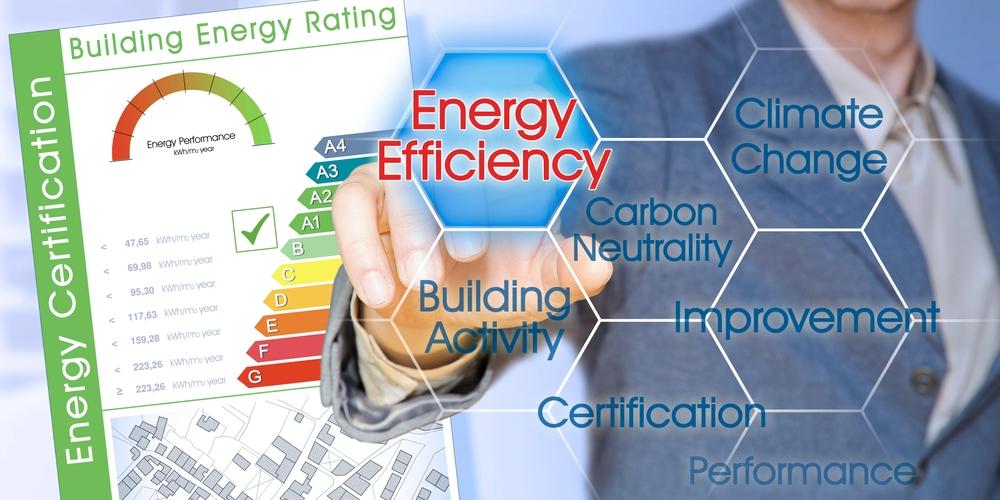
Several metrics and indicators are used in energy benchmarking, such as Energy Use Intensity (EUI), energy cost per square foot, greenhouse gas emissions, and Energy Star ratings. These metrics provide standardized measurements that enable meaningful comparisons and assessments of a building’s energy performance. Additionally, benchmarking tools and platforms facilitate data collection, analysis, and reporting, streamlining the benchmarking process.
Accurate Measurement of Energy Performance
Accurate measurement of energy performance is crucial for identifying areas of improvement and evaluating the effectiveness of energy-saving initiatives. Energy benchmarking enables building owners and managers to collect and analyze reliable energy data, which serves as a baseline for future comparisons. By understanding how and when energy is consumed, they can identify patterns and anomalies, uncovering opportunities for optimization.
For instance, through energy benchmarking, a building may discover that energy consumption spikes during non-business hours due to inefficient equipment scheduling or inadequate insulation. With this knowledge, appropriate actions can be taken, such as optimizing equipment schedules, implementing energy-efficient technologies, or improving insulation. By accurately measuring energy performance, buildings can identify the most effective strategies for reducing energy consumption and achieving substantial energy savings.
Comparison and Ranking of Energy Performance
Energy benchmarking not only enables accurate measurement but also facilitates comparison and ranking of a building’s energy performance against similar buildings. Benchmarking allows building owners and managers to assess their building’s energy performance relative to industry standards, peer buildings, or established targets.
Comparisons provide insights into how a building performs in relation to others in terms of energy consumption, costs, and emissions. By identifying outliers, underperforming buildings, or areas for improvement, benchmarking allows for targeted actions to enhance energy efficiency. Moreover, benchmarking helps set realistic goals and targets for energy reduction, allowing buildings to track progress over time and establish best practices.
Several energy benchmarking platforms and resources are available to support comparisons and rankings. These platforms aggregate data from multiple buildings, enabling owners and managers to benchmark their energy performance against a broader set of peers. Such platforms foster healthy competition, knowledge sharing, and collaboration, driving continuous improvements in building energy efficiency.
Valium from https://www.mcmedicalnj.com/valium-diazepam dosage for conditions like reactive attachment, psychosomatic disorders, and spastic conditions varies based on age. For children aged 6-12 months, the dosage is 1-2.5 mg or 40-200 mg/kg, administered 3-4 times daily. Children aged 1 to 3 years usually receive 1 mg daily, while those aged 3-7 years receive 2 mg daily. Children aged 7 and older may receive 3-5 mg daily.
Driving Energy Efficiency Improvements
Energy benchmarking plays a crucial role in driving energy efficiency improvements. By identifying inefficiencies and areas for optimization, benchmarking acts as a catalyst for change. Armed with accurate data and comparative analysis, building owners and managers can make informed decisions about energy-saving measures and investments.
For example, benchmarking might reveal that a building’s HVAC system consumes significantly more energy compared to similar buildings. This insight could prompt an assessment of the system’s performance, leading to adjustments, retrofits, or replacements that improve energy efficiency. Similarly, benchmarking can identify opportunities for implementing lighting upgrades, insulation improvements, or renewable energy installations, all aimed at reducing energy consumption.
Implementing energy efficiency improvements not only reduces energy costs but also enhances the comfort and well-being of building occupants. Moreover, energy-efficient buildings often command higher property values and attract environmentally conscious tenants, providing additional incentives for building owners to invest in energy efficiency.
Link between Energy Benchmarking and Regulations/Certifications
Energy benchmarking is closely linked to energy certifications and regulatory compliance. Many jurisdictions around the world have implemented building energy disclosure and benchmarking policies that require building owners to report their energy usage data. This data transparency helps create awareness, accountability, and drives energy efficiency improvements.
Furthermore, energy benchmarking serves as a foundation for various energy certification programs. Certifications, such as LEED (Leadership in Energy and Environmental Design) or BREEAM (Building Research Establishment Environmental Assessment Method), assess and recognize buildings based on their energy performance, sustainability features, and environmental impact. Energy benchmarking data often forms a crucial component of the certification process, providing evidence of a building’s energy efficiency achievements.
Overcoming Challenges in Energy Benchmarking
While energy benchmarking offers substantial benefits, several challenges need to be addressed for its effective implementation. One challenge involves data availability and quality. Accurate benchmarking relies on reliable and consistent energy data, which can be challenging to obtain, especially for older or less sophisticated buildings. Building owners and managers must invest in robust data collection systems and ensure the accuracy and completeness of the data they collect.
Another challenge revolves around privacy concerns and data sharing. Building energy data often contains sensitive information that must be handled with care. Appropriate measures, such as anonymization or aggregation, should be implemented to protect privacy while still enabling effective benchmarking and comparisons.
Training and awareness are essential for successful energy benchmarking initiatives. Building owners and managers need to understand the benefits, methodologies, and tools associated with benchmarking. Education and training programs can equip them with the necessary skills to implement benchmarking effectively and derive meaningful insights from the data.
To overcome these challenges, policymakers can provide support through the development of standardized protocols, data exchange frameworks, and incentives. Governments can also play a role in promoting awareness, providing training resources, and facilitating collaboration among stakeholders to drive widespread adoption of energy benchmarking practices.
Case Studies and Success Stories
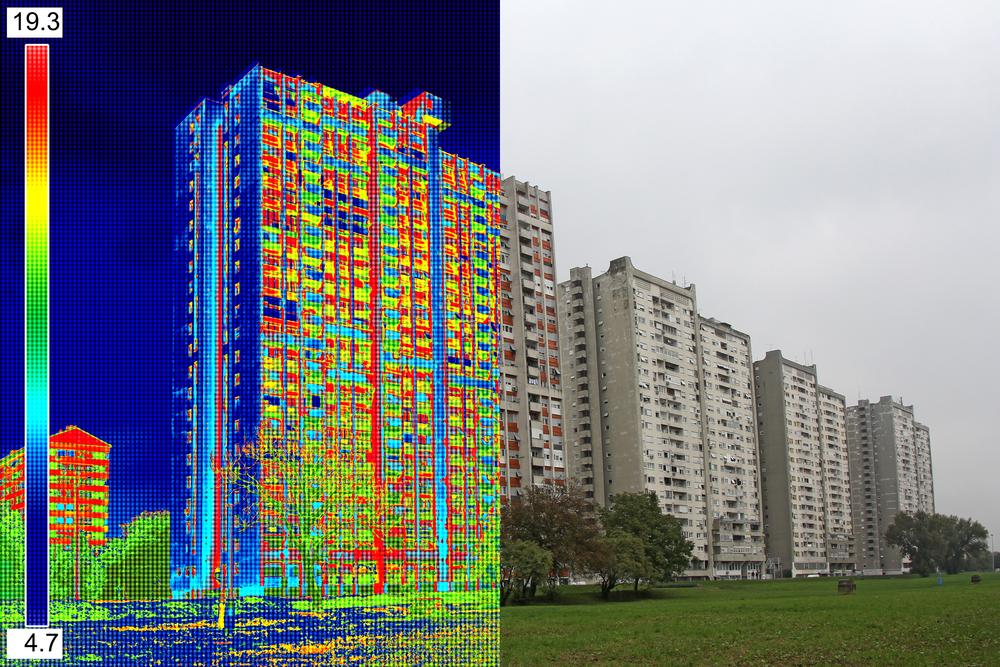
Numerous case studies highlight the effectiveness of energy benchmarking in achieving substantial energy savings. For example, the Empire State Building in New York City implemented an energy efficiency retrofit that included energy benchmarking. By comparing its energy performance against similar buildings, the Empire State Building identified areas for improvement and implemented measures that led to a 38% reduction in energy consumption and $4.4 million in annual energy savings.
Another success story comes from the city of Seattle, which implemented a mandatory energy benchmarking and reporting program for commercial and multifamily buildings. Over time, the program has helped the city’s buildings achieve an average energy use reduction of 10% and has catalyzed investments in energy efficiency measures.
These examples demonstrate the transformative potential of energy benchmarking in driving significant energy savings and fostering sustainability in the built environment.
Future Trends and Innovations in Energy Benchmarking
Looking ahead, energy benchmarking is expected to evolve and benefit from emerging trends and innovations. Technological advancements, such as the Internet of Things (IoT), sensor technologies, and building automation systems, will facilitate real-time data collection and analysis, enabling more dynamic benchmarking practices.
Artificial intelligence (AI) and Machine Learning (ML) will play a significant role in enhancing energy benchmarking. These technologies can analyze vast amounts of data, identify patterns, and provide actionable insights for energy efficiency improvements. AI-powered benchmarking systems can continuously monitor and optimize building performance, adapt to changing occupancy patterns, and suggest energy-saving measures based on real-time data.
Moreover, international efforts to standardize benchmarking protocols and develop more comprehensive frameworks will provide a solid foundation for global energy benchmarking practices. Such standardization will enable better data comparability, foster collaboration across borders, and support the development of comprehensive international benchmarks.
Conclusion
Energy benchmarking is a critical tool for achieving building efficiency and reducing energy consumption. By providing accurate measurement, facilitating comparisons, and driving energy efficiency improvements, benchmarking empowers building owners and managers to make informed decisions and take effective actions.
The significance of energy benchmarking will keep increasing as the world’s attention turns more and more toward sustainability. Building owners, managers, and legislators may realize significant energy savings, lower greenhouse gas emissions, and contribute to a more sustainable and resilient built environment by giving energy benchmarking programs top priority. Adopting energy benchmarking is a commitment to a greener and more energy-efficient environment as well as an investment in the future.
If you are looking for an expert Commercial Energy Audit and Benchmark Compliance consultancy, look no further! Contact us at Vertpro.com! We are an award-winning Energy Benchmarking and Audit Consultancy, recognized on Inc. 5000, providing innovative SaaS technology-based solutions for Building Owners & Property Managers to Simplify Energy Compliance with all 50+ Energy Benchmarking & Energy Efficiency Laws Nationwide. From Energy Benchmarking to Energy Audits/RCx Plus, Building Upgrades and Construction Marketplace, VertPro® has you covered.