Tag: Vert Energy Group

  • 5 Crucial Energy KPIs to Monitor for Effective Business Energy Management

    5 Crucial Energy KPIs to Monitor for Effective Business Energy Management

    Introduction 

    In the ever-evolving landscape of today’s business world, mastering energy management stands as a pivotal cornerstone for success. As the price tags on energy soar and environmental consciousness takes center stage, businesses face an urgent need to embrace astute energy management practices. It’s no longer just about financial savings; it’s a commitment to sustainability and environmental stewardship. Join us in this blog post expedition as we uncover five indispensable Key Performance Indicators (KPIs) that serve as guiding beacons for businesses striving to fine-tune their energy management strategies. 

    Energy Consumption

    Energy consumption refers to the amount of energy used by a business to power its operations. Monitoring energy consumption is a fundamental KPI for effective energy management. By tracking and measuring this metric, businesses gain insights into their energy usage patterns and identify areas for improvement.  

    To track and measure energy consumption, businesses can utilize smart meters, submeters, or energy management software. These tools provide real-time data on energy consumption, allowing businesses to identify peak usage periods, energy-intensive processes, and wasteful practices. By implementing energy-efficient measures such as equipment upgrades, optimized systems, and employee awareness campaigns, businesses can significantly reduce energy consumption, resulting in substantial cost savings.  

    Reducing energy consumption not only has financial benefits but also contributes to sustainability. By conserving energy, businesses can reduce their carbon footprint and minimize their impact on the environment. Additionally, implementing energy-efficient technologies and practices enhances a company’s reputation as an environmentally responsible organization.

    Energy Intensity

    Monitoring Energy Intensity

    Energy intensity is another crucial KPI for effective energy management. It measures the amount of energy used per unit of production or activity. By calculating and monitoring energy intensity, businesses can identify inefficiencies in their operations and take steps to optimize energy usage.  

    To calculate energy intensity, businesses need to divide their total energy consumption by the specific production output or activity level. This KPI helps businesses identify energy-intensive processes or areas that require optimization. By investing in energy-efficient equipment, streamlining processes, and utilizing automation technologies, businesses can significantly improve their energy intensity and operate more sustainably.  

    Moreover, improving energy intensity often leads to increased productivity and operational efficiency. By identifying and addressing energy-intensive processes, businesses can streamline operations, reduce waste, and enhance overall productivity. This not only reduces energy costs but also improves competitiveness within the industry.  

    Energy Cost

    Energy costs play a vital role in the financial health of a business. It refers to the monetary value of energy consumed by a business. Monitoring energy cost is crucial for effective energy management as it directly impacts a company’s profitability. By analyzing energy cost KPIs, businesses can identify areas of energy inefficiency and make informed decisions to reduce their energy expenses.  

    To track and analyze energy cost KPIs, businesses should regularly review their utility bills, identify energy-saving opportunities, and benchmark their energy consumption against industry standards. Implementing energy audits, conducting thorough analyses of energy consumption patterns, and considering alternative energy suppliers are effective strategies for tracking and analyzing energy cost KPIs.  

    Emphasizing energy cost management creates a culture of cost-consciousness within an organization. By actively managing energy costs, businesses can identify cost-saving opportunities, optimize energy usage, and improve overall financial performance. The funds saved can be reinvested in other areas of the business, such as research and development or employee training, leading to innovation and growth.

    Greenhouse Gas Emissions

    Greenhouse gas emissions, such as carbon dioxide (CO2) and methane (CH4), are the primary contributors to climate change. These emissions are closely linked to energy consumption, making greenhouse gas emissions a key KPI for effective energy management. By tracking and reducing greenhouse gas emissions, businesses can demonstrate their commitment to sustainability and environmental responsibility.  

    Monitoring greenhouse gas emissions involves quantifying and reporting the carbon footprint associated with a business’s energy consumption. This process allows businesses to identify areas where energy efficiency measures can help reduce emissions. By implementing energy-efficient practices, switching to renewable energy sources, optimizing transportation logistics, and promoting employee engagement in sustainability initiatives, businesses can effectively reduce their greenhouse gas emissions.  

    Reducing greenhouse gas emissions not only mitigates climate change but also enhances a company’s reputation. Consumers are increasingly conscious of the environmental impact of the products and services they use. By actively reducing emissions, businesses can attract environmentally conscious customers and gain a competitive advantage in the market.

    Renewable Energy Usage

    Usage of Renewable Energy

    Renewable energy usage refers to the proportion of energy obtained from sustainable sources such as solar, wind, hydro, or geothermal power. Incorporating renewable energy into business operations is not only an environmentally responsible choice but also a sound business decision.  

    By monitoring and increasing renewable energy usage, businesses can reduce their dependence on fossil fuels, minimize greenhouse gas emissions, and contribute to a cleaner energy landscape. Installing solar panels, procuring renewable energy certificates, and exploring power purchase agreements with renewable energy providers are some ways businesses can integrate renewable energy sources into their operations.  

    Embracing renewable energy offers several benefits for businesses. Firstly, it helps reduce reliance on volatile fossil fuel markets, providing greater energy security and stability. Secondly, utilizing renewable energy sources often results in long-term cost savings. While the initial investment may be higher, renewable energy systems tend to have lower operational and maintenance costs over their lifespan. Lastly, incorporating renewable energy aligns businesses with growing consumer preferences for sustainable practices, attracting environmentally conscious customers and enhancing brand reputation.

    Conclusion 

    In conclusion, monitoring energy KPIs is crucial for effective energy management in businesses. By monitoring and optimizing these five crucial KPIs – energy consumption, energy intensity, energy cost, greenhouse gas emissions, and renewable energy usage – businesses can gain valuable insights into their energy usage patterns, identify areas for improvement, and implement effective strategies.  

    Effective energy management not only leads to cost savings but also fosters sustainability and environmental responsibility. By reducing energy consumption, improving energy intensity, controlling energy costs, minimizing greenhouse gas emissions, and embracing renewable energy, businesses can enhance their operational efficiency, reputation, and long-term success.  

    It is essential for businesses to prioritize energy management and implement strategies that improve their energy KPIs. By doing so, businesses can not only achieve financial savings and operational efficiency but also contribute to a sustainable future and make a positive impact on the environment. 

    Discover how VertPro.com can elevate your property’s energy efficiency to new heights. We are your ultimate destination for all things related to Commercial Energy Audits, Benchmark Compliance consultancy, and access to our state-of-the-art Construction Marketplace. As trailblazers in the industry, VertPro® empowers Building Owners and Property Managers across the nation with innovative SaaS technology-based solutions. From Energy Benchmarking to Energy Audits/RCx Plus, we’re dedicated to ensuring compliance with over 60 Energy Benchmarking and Energy Efficiency Laws.    

    Now is the time to seize the opportunity to maximize your property’s energy potential and value. Explore VertPro.com’s comprehensive solutions today and let us be the catalyst for the transformation your property deserves. Your energy-efficient future starts here!


  • Uncovering the Carbon Risk Commercial Real Estate Monitor: A key tool for decarbonizing

    Uncovering the Carbon Risk Commercial Real Estate Monitor: A key tool for decarbonizing

    Introduction 

    In the global quest for sustainability and environmental responsibility, the commercial real estate sector has emerged as a significant contributor to carbon emissions. Buildings, ranging from office spaces to retail complexes, hotels, and more, account for a substantial portion of greenhouse gas emissions. Consequently, monitoring and reducing carbon risk in this sector have become imperative. Fortunately, an innovative tool called the Carbon Risk Commercial Real Estate Monitor has emerged, revolutionizing the way we approach carbon reduction in commercial real estate. In this blog, we will delve deeper into the importance of this tool, its key features, benefits, and its role in driving the decarbonization of the industry.  

    Understanding the Carbon Risk 

    To fully grasp the significance of the Carbon Risk Commercial Real Estate Monitor, it is essential to understand the concept of carbon risk. Carbon risk refers to the financial and environmental risks associated with carbon emissions. As the world increasingly focuses on mitigating climate change, carbon risk has become a major concern for stakeholders across various industries. In the context of commercial real estate, this sector poses a significant carbon risk due to the energy consumption and emissions associated with its day-to-day operations.

    Importance of the Commercial Real Estate Sector 

    The commercial real estate sector plays a crucial role in the global carbon emissions landscape. According to studies, this sector accounts for almost 40% of global energy consumption and approximately one-third of global greenhouse gas emissions. The buildings within this sector consume vast amounts of energy, leading to significant carbon emissions. Recognizing the impact of commercial real estate on the environment, efforts to decarbonize this sector have gained momentum worldwide.

    The Carbon Risk Commercial Real Estate Monitor: A Game-Changing Tool 

    CREEM - Game-Changing Tool

    The Carbon Risk Commercial Real Estate Monitor stands as an innovative tool developed by leading sustainability experts to quantify and manage carbon risk in the commercial real estate sector. With its comprehensive approach, this monitor provides essential insights and metrics that enable stakeholders to identify, measure, and mitigate carbon risks associated with their real estate assets.

    Key Features and Benefits

    Quantifying Carbon Footprint

    One of the most crucial features of the Carbon Risk Commercial Real Estate Monitor is its ability to accurately calculate the carbon footprint of commercial real estate properties. By assessing energy consumption, waste management practices, water usage, and other relevant factors, stakeholders can gain a holistic understanding of the environmental impact posed by their portfolio of assets. Armed with this comprehensive assessment, stakeholders can implement targeted interventions to reduce emissions and improve overall sustainability performance.  

    Quantifying the carbon footprint allows stakeholders to prioritize their efforts effectively. For example, if a property is found to have a significant carbon footprint, measures can be taken to retrofit the building with energy-efficient systems, install renewable energy sources like solar panels, or improve insulation to reduce heating and cooling needs. Monitoring and tracking the carbon footprint over time enables stakeholders to evaluate the effectiveness of their initiatives, make necessary adjustments, and communicate progress to stakeholders and regulatory bodies. 

    Identifying High-Impact Assets

    The monitor plays a vital role in helping stakeholders identify buildings with the highest carbon emissions. Armed with this information, stakeholders can prioritize efforts and allocate resources towards improving the environmental performance of these high-impact assets. By focusing on these buildings, stakeholders can achieve more significant emissions reductions and effectively manage carbon risk within their portfolios.  

    Identifying and targeting high-impact assets for emissions reductions can lead to substantial improvements in a real estate portfolio’s sustainability performance. Retrofitting or upgrading these buildings with energy-efficient systems, implementing smart building technologies, or exploring opportunities for on-site renewable energy generation can significantly reduce carbon emissions. Additionally, stakeholders can explore the potential for repurposing or redeveloping underperforming assets, transforming them into sustainable and energy-efficient structures.

    Assessing Energy Efficiency

    Energy efficiency analysis is another crucial aspect of the Carbon Risk Commercial Real Estate Monitor. By providing comprehensive insights into energy performance, this tool empowers stakeholders to identify opportunities for improvement and cost reduction. By optimizing energy consumption, commercial real estate owners can simultaneously reduce their carbon footprint while also benefiting from reduced operational expenses.  

    The monitor uses various metrics and benchmarks to assess energy efficiency, such as the Energy Star rating, energy-use intensity (EUI), and performance indicators like energy consumption per square foot. By evaluating energy efficiency across a portfolio, stakeholders can identify properties that are underperforming and implement targeted initiatives to improve their energy performance. These initiatives may include upgrading lighting systems, implementing demand-response programs, or adopting smart building technologies to optimize energy usage. 

    Supporting Sustainable Investment Decisions

    With the growing importance of sustainable investing, the Carbon Risk Commercial Real Estate Monitor offers invaluable support to investors seeking to allocate capital to environmentally responsible projects. By assessing the carbon risk associated with potential investments, this tool helps align investment decisions with sustainability goals while simultaneously mitigating financial risks linked to carbon-intensive assets. Integrating the monitor into investment strategies ensures that funds are directed towards projects that support both environmental and financial objectives.  

    Sustainable investment decisions are becoming increasingly critical as investors recognize the potential financial risks associated with assets that are not aligned with sustainable practices. The Carbon Risk Commercial Real Estate Monitor provides relevant data and insights that investors can use to assess the sustainability performance of real estate assets. By considering carbon risk and sustainability factors, such as energy efficiency, green certifications, and renewable energy usage, investors can make informed decisions that support their sustainability goals while potentially reducing future financial risks.

    Tracking Progress and Driving Continuous Improvement

    The Carbon Risk Commercial Real Estate Monitor provides stakeholders with the ability to track progress over time in reducing carbon emissions and improving sustainability performance. This feature enables benchmarking against industry standards and facilitates the implementation of targeted measures to achieve long-term decarbonization goals. Regular monitoring not only ensures compliance with sustainability objectives but also drives continuous improvement and enhances accountability within the commercial real estate sector.  

    Tracking progress and benchmarking against industry peers and standards are essential for driving continuous improvement. Stakeholders can set specific targets for emissions reductions, energy efficiency improvements, and sustainability certifications based on the data provided by the monitor. By regularly reviewing and reassessing the performance of their portfolio, stakeholders can identify areas for further enhancement and make informed decisions regarding future investments, retrofits, or upgrades.  

    The Path towards Decarbonization 

    Decarbonizing Commercial Real Estate

    The Carbon Risk Commercial Real Estate Monitor serves as a powerful tool that propels the commercial real estate sector towards decarbonization. By leveraging this tool’s capabilities, stakeholders can take significant strides in reducing their environmental impact, aligning their operations with sustainability objectives, and complying with local regulations. Embracing the monitor encourages the sector to embrace new technologies, adopt renewable energy sources, and implement energy-efficient strategies that foster sustainability and create a brighter future.  

    Governments and regulatory bodies worldwide are increasingly recognizing the crucial role of the commercial real estate sector in combating climate change. In response, they are implementing stringent regulations and incentivizing sustainable practices. The Carbon Risk Commercial Real Estate Monitor allows stakeholders to stay ahead of these regulatory requirements and proactively address carbon risk in their portfolios. By integrating the monitor into their strategies, stakeholders can transform commercial real estate into a key driver of sustainability, ensuring a greener future for generations to come.  

    Conclusion 

    As the commercial real estate sector faces increasing pressure to address carbon risk and contribute to global decarbonization efforts, the Carbon Risk Commercial Real Estate Monitor emerges as a fundamental solution. With its ability to quantify carbon footprints, identify high-impact assets, assess energy efficiency, support sustainable investment decisions, and track progress, this tool provides a holistic approach to decarbonizing the sector. By integrating the monitor into their strategies, stakeholders can make informed decisions, prioritize sustainability, and reduce their environmental impact, transforming commercial real estate into a key driver of sustainability. With the adoption of this tool, the commercial real estate industry can pave the way towards a greener, more sustainable future for generations to come. 

    Discover how VertPro.com can elevate your property’s energy efficiency to new heights. We are your ultimate destination for all things related to Commercial Energy Audits, Benchmark Compliance consultancy, and access to our state-of-the-art Construction Marketplace. As trailblazers in the industry, VertPro® empowers Building Owners and Property Managers across the nation with innovative SaaS technology-based solutions. From Energy Benchmarking to Energy Audits/RCx Plus, we’re dedicated to ensuring compliance with over 50 Energy Benchmarking and Energy Efficiency Laws.    

    Now is the time to seize the opportunity to maximize your property’s energy potential and value. Explore VertPro.com’s comprehensive solutions today and let us be the catalyst for the transformation your property deserves. Your energy-efficient future starts here! 

  • Navigating popular green building certifications: Requirements and Benefits

    Navigating popular green building certifications: Requirements and Benefits

    I. Introduction 

    In an era marked by environmental awareness and sustainability, the construction industry is undergoing a remarkable transformation. The concept of green building has become synonymous with responsible construction practices, emphasizing the efficient use of resources, environmental stewardship, and the well-being of building occupants. Central to the green building movement are certifications, which serve as structured roadmaps to ensure that buildings adhere to the highest sustainability standards. This blog is your guide to understanding the world of popular green building certifications, their extensive requirements, and the manifold benefits they bring to the table.

    II. Understanding Green Building Certifications

    Defining Green Building Certifications 

    Before we embark on this exploration, let’s establish precisely what green building certifications entail. They are holistic evaluation systems that rigorously assess a building’s environmental performance. These certifications extend far beyond mere accolades; they are indispensable tools for architects, builders, and developers, steering them toward the creation of energy-efficient, eco-conscious, and health-centric structures.

    Key Certifying Organizations 

    Various organizations worldwide spearhead the green building certification movement, each with its own unique framework. Some of the most prominent certifying bodies include:  

    1. LEED (Leadership in Energy and Environmental Design): Operated by the U.S. Green Building Council, LEED is globally recognized for its focus on sustainability, energy efficiency, and environmental responsibility.
    2. BREEAM (Building Research Establishment Environmental Assessment Method): Originating in the United Kingdom, BREEAM has a stronghold in Europe and assesses a range of factors, from energy use to materials sourcing.
    3. Green Globes: Developed by the Green Building Initiative, Green Globes offers a flexible approach to assessing a building’s sustainability, making it popular in North America.
    4. Passive House: Hailing from Germany, the Passive House standard is synonymous with ultra-energy efficiency, leading to buildings that require minimal heating and cooling.

    Different Levels of Certification 

    These organizations offer various certification levels, ranging from basic certification to platinum or diamond levels. The higher the level, the more exacting the requirements, and the more significant the environmental impact reduction.

    III. The Requirements of Green Building Certifications

    Green Building Certification RequirementsOverview of Common Certification Requirements 

    Green building certifications address multiple dimensions of sustainability. These typically encompass:

    A. Sustainable Site Selection and Design

     – Location and Transportation: This criteria evaluates a project’s accessibility to public transportation and its impact on the environment. 

    – Sustainable Site Development: This category encompasses the evaluation of land use, landscaping practices, and ecosystem preservation.

    B. Energy Efficiency and Renewable Energy

    – Efficient Building Envelope: Focusing on aspects such as insulation, air sealing, and thermal performance to minimize energy loss. 

    – Energy-Conserving Systems: Encouraging the utilization of energy-efficient HVAC systems, lighting, and appliances.

    C. Water Efficiency and Conservation

    – Water-Reducing Fixtures: Encouraging the installation of low-flow faucets, showerheads, and toilets.

    – Rainwater Harvesting: Promoting the collection and use of rainwater for non-potable purposes.

    D. Indoor Environmental Quality

    – Ventilation and Air Quality: Ensuring proper ventilation and air filtration systems to promote healthier indoor air.

    – Daylighting and Views: Enhancing occupant well-being through increased natural lighting and outdoor views.

    E. Materials and Resources

    – Sustainable Sourcing: Encouraging the use of responsibly sourced materials, including recycled and locally produced items.

    – Waste Reduction and Recycling: Promoting the reduction of construction waste through recycling and reuse.  

    F. Innovation and Regional Priority Credits

    These sections recognize out-of-the-box thinking and allow projects to earn additional credits for innovative sustainability practices and regional considerations.  

    IV. Benefits of Achieving Green Building Certifications

    A. Environmental Benefits

    Green building certifications make a substantial contribution to environmental preservation. They result in:  

    – Reduced Carbon Footprint: By emphasizing energy efficiency and the use of renewable energy sources, certified buildings generate fewer greenhouse gas emissions. 

    – Water Conservation: Certifications encourage efficient water use and conservation. 

    – Biodiversity Preservation: Sustainable site development and landscaping practices support local ecosystems.  

    B. Economic Benefits

    The financial advantages of green building certifications are substantial:  

    – Energy and Resource Savings: Reduced energy and water consumption translate into long-term operational cost savings.

    – Increased Property Value: Certified buildings often command higher resale and rental values.

    – Lower Operating Costs: Reduced energy and water bills lead to diminished operational expenses.  

    C. Social Benefits

    Green buildings positively impact occupant well-being and community engagement:  

    – Improved Occupant Health and Well-being: Enhanced indoor air quality, natural lighting, and comfortable temperatures promote better health and productivity among building occupants. 

    – Community Engagement and Awareness: Green building projects contribute to community education and promote eco-conscious behavior.

    D. Regulatory and Incentive Benefits

    Achieving certification also brings regulatory and incentive advantages:  

    – Compliance with Regulations: Many jurisdictions now require or encourage green building practices. 

    – Tax Incentives and Rebates: Governments and utilities often offer financial incentives to support green building projects.

    E. Competitive Advantage

    In a world increasingly focused on sustainability, certified buildings have a competitive edge:  

    – Market Differentiation: Green building certification serves as a marketing tool, setting your project apart from non-certified competitors. 

    – Attracting Eco-conscious Tenants or Buyers: Eco-conscious businesses and individuals actively seek out green-certified properties.

    V. Challenges and Considerations

    Green Building Certifications - Challenges

    While the benefits of green building certifications are clear, there are challenges and considerations to be aware of:

    A. Cost Implications

    Investing in sustainable practices and materials can initially be more expensive. However, these costs are often offset by long-term savings in energy and operational expenses.

    B. Design and Construction Challenges

    Green buildings may require innovative design and construction practices, which may demand additional expertise and time.

    C. Certification Process and Documentation

    Navigating the certification process can be complex, with rigorous documentation requirements.

    D. Maintenance and Ongoing Commitment

    Sustaining green building practices and maintaining the certification standards require continuous effort and investment.  

    VI. Tips for Navigating Green Building Certifications

    As you embark on your green building journey, consider the following tips:  

    A. Start Early in the Design Process

    Integrate sustainability into the project from the beginning to maximize benefits and minimize costs.

    B. Collaborate with Sustainability Experts

    Engage professionals with expertise in green building practices to ensure success.

    C. Stay Informed About Updates and Changes

    Certification standards can evolve, so staying up to date is essential.

    D. Focus on the Most Applicable Certification for Your Project

    Select the certification that aligns best with your project’s goals and objectives.

    E. Consider Long-Term Sustainability Goals

    Think beyond certification to your project’s long-term sustainability and environmental impact.

    VII. Conclusion 

    Green building certifications are not just about constructing structures; they are about shaping a more sustainable and resilient future. By adhering to the stringent requirements of these certifications, we contribute to the global effort to reduce our carbon footprint, conserve natural resources, and improve the quality of life for current and future generations. The benefits, both environmental and economic, are substantial. While challenges exist, they are surmountable, and the advantages far outweigh the drawbacks.  

    So, whether you’re an architect, builder, or developer, embracing green building certifications is a vital step toward creating a better, greener world for us all. As we move forward, the future of green building and sustainability in construction is brighter than ever. It’s a world where buildings not only shelter but also heal, inspire, and preserve the planet for generations to come. 

    Discover how VertPro.com can elevate your property’s energy efficiency to new heights. We are your ultimate destination for all things related to Commercial Energy Audits, Benchmark Compliance consultancy, and access to our state-of-the-art Construction Marketplace. As trailblazers in the industry, VertPro® empowers Building Owners and Property Managers across the nation with innovative SaaS technology-based solutions. From Energy Benchmarking to Energy Audits/RCx Plus, we’re dedicated to ensuring compliance with over 50 Energy Benchmarking and Energy Efficiency Laws.

    Now is the time to seize the opportunity to maximize your property’s energy potential and value. Explore VertPro.com’s comprehensive solutions today and let us be the catalyst for the transformation your property deserves. Your energy-efficient future starts here!

  • What is ESG Reporting, and Why is it Important for Commercial Property?

    What is ESG Reporting, and Why is it Important for Commercial Property?

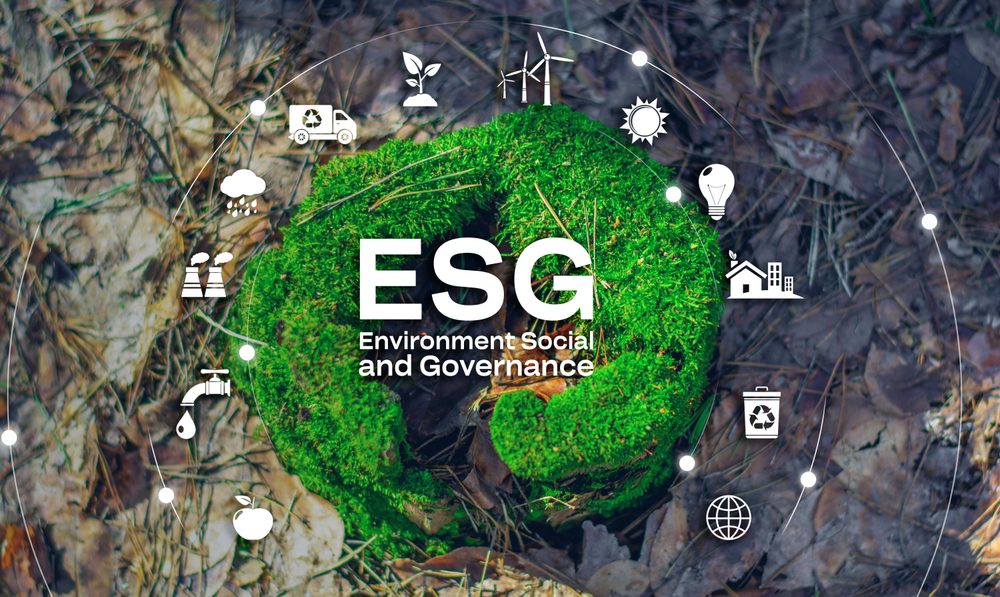
    In an era where the world’s collective gaze is increasingly fixated on sustainability and ethical business practices, there arises a pivotal question: What lies at the intersection of responsible commerce and the dynamic realm of commercial property? Enter ESG reporting, the guiding star illuminating this intriguing junction. ESG, the acronym for Environmental, Social, and Governance, represents a trio of pivotal factors that dissect a company’s commitment to sustainability and ethical conduct. Within this blog, we will embark on a journey through the fascinating world of ESG reporting. As we navigate its nuances, decipher its components, and unveil its profound implications, we’ll uncover why it has evolved into nothing short of a strategic necessity for businesses operating in the bustling commercial property sector.

    Understanding ESG Reporting

    ESG reporting is the systematic process of measuring, disclosing, and communicating a company’s performance across the three key dimensions: Environmental, Social, and Governance.  

    1. Environmental: This dimension covers aspects related to the company’s environmental impact. It includes factors such as energy efficiency, carbon emissions, water usage, waste management, and resource conservation. ESG reporting assesses how environmentally responsible a company is in its operations.
    2. Social: The social dimension evaluates a company’s relationships with its stakeholders, including employees, communities, customers, and suppliers. It assesses factors like community engagement, labor practices, employee welfare, diversity and inclusion, and product safety. A strong social performance indicates a commitment to social responsibility.
    3. Governance: Governance refers to the systems and processes that guide the company’s decision-making and ensure ethical behavior. It includes transparency, ethical behavior, board diversity, executive compensation, and shareholder rights. Good governance practices are crucial for building trust with investors and stakeholders.

    The purpose of ESG reporting is to provide stakeholders with a comprehensive view of a company’s non-financial performance. This includes investors looking for sustainable investment opportunities, customers seeking ethically responsible products and services, and regulators concerned with corporate responsibility.

    ESG Reporting Frameworks 

    To standardize ESG reporting and make it more meaningful and comparable, various frameworks and guidelines have been developed. Some of the most widely recognized frameworks include:  

    1. Global Reporting Initiative (GRI): GRI provides a comprehensive set of standards for reporting on a company’s economic, environmental, and social impacts. It helps organizations disclose information that is relevant to their stakeholders.
    2. Sustainability Accounting Standards Board (SASB): SASB focuses on industry-specific standards, enabling companies to report on sustainability issues that are most material to their business and sector.
    3. Task Force on Climate-related Financial Disclosures (TCFD): TCFD emphasizes the disclosure of climate-related risks and opportunities, helping investors understand how climate change could affect a company’s financial performance.

    These frameworks help companies structure their ESG reporting and ensure that they address the most critical issues relevant to their industry and stakeholders. For commercial property businesses, these frameworks are especially valuable as they provide guidelines for addressing sector-specific challenges and opportunities.

    Benefits of ESG Reporting for Commercial Property 

    ESG reporting for Commercial Property

    Now, let’s explore why ESG reporting has become crucial for the commercial property sector:  

    1. Enhancing Reputation and Brand Value: Commercial property companies that prioritize sustainability and responsible practices gain a positive reputation in the market. This reputation attracts both investors and tenants who are increasingly seeking properties that align with their ESG values. A strong reputation for responsible practices can also lead to positive media coverage, further enhancing a company’s brand image.
    2. Attracting Responsible Investors and Tenants: ESG reporting can be a magnet for responsible investors and tenants who prioritize sustainability. These stakeholders are more likely to invest in or lease properties from companies that demonstrate a commitment to environmental and social responsibility. As ESG considerations become more central to investment decisions, companies that excel in ESG reporting stand to benefit significantly.
    3. Reducing Operational Costs: ESG reporting encourages companies to implement sustainability measures, such as energy-efficient systems and green building practices. These initiatives not only contribute to a greener environment but also reduce operational costs over time. For commercial property businesses, energy-efficient buildings can result in lower utility expenses and increased tenant satisfaction, leading to higher occupancy rates and rental income.
    4. Mitigating Risks: ESG reporting helps companies identify and address potential risks associated with regulatory changes and climate-related events. By proactively addressing these risks, commercial property businesses can safeguard their investments and portfolios. For example, identifying climate-related risks can lead to strategic decisions, such as retrofitting buildings to withstand extreme weather events or diversifying property holdings to reduce exposure to vulnerable regions.
    5. Stakeholder Engagement: ESG reporting fosters transparency and encourages stakeholder engagement. Engaging with stakeholders, including tenants, local communities, and investors, can lead to valuable insights and partnerships that drive long-term success. For instance, involving tenants in sustainability initiatives can lead to collaborative efforts to reduce energy consumption and minimize waste, benefiting both the environment and the bottom line.

    Challenges of ESG Reporting in Commercial Property 

    While the benefits of ESG reporting are clear, commercial property businesses face several challenges in implementing effective ESG reporting:  

    1. Data Collection and Verification: Gathering accurate and relevant ESG data can be a complex and resource-intensive process. Verification of this data to ensure its accuracy and credibility is equally challenging. Commercial property companies often deal with extensive data sets related to building performance, energy usage, and tenant behavior, making data collection and verification processes critical yet intricate.
    2. Balancing Costs and Sustainability: Balancing the short-term costs of sustainability initiatives with the long-term benefits can be a challenge. Some companies may be hesitant to invest in sustainability due to concerns about immediate financial impacts. However, it’s essential to recognize that sustainable practices can lead to cost savings over time, making them a valuable long-term investment.
    3. Meeting Diverse Stakeholder Expectations: Different stakeholders have varying ESG expectations, making it challenging to meet everyone’s demands. Finding a balance that satisfies the diverse needs of investors, tenants, and communities is crucial. Commercial property companies must engage with stakeholders to understand their specific ESG concerns and tailor their reporting and initiatives accordingly.

    Regulatory Landscape

    Government regulations and policies are increasingly pushing commercial property businesses towards ESG reporting. Governments worldwide are recognizing the importance of sustainability and are implementing measures to incentivize ESG practices. Non-compliance with these regulations can lead to financial penalties and reputational damage, further emphasizing the importance of ESG reporting.  

    Steps to Implement ESG Reporting

    For commercial property companies looking to initiate ESG reporting, here are the key steps to follow:  

    1. Conduct a Materiality Assessment: Identify the most relevant ESG issues for your business and stakeholders. Focus on what matters most in your industry. Engage with key stakeholders, including tenants, investors, and local communities, to understand their priorities.
    2. Set Clear ESG Goals and Targets: Define specific and measurable ESG goals that align with your business strategy. These goals will serve as a roadmap for your sustainability efforts. Ensure that your goals are realistic and time-bound, allowing for meaningful progress tracking.
    3. Establish Data Collection and Reporting Processes: Implement systems for collecting, analyzing, and reporting ESG data. Ensure data accuracy and transparency in your reporting. Consider using digital tools and platforms that facilitate data collection and reporting, making the process more efficient and accurate.
    4. Engage Stakeholders and Communicate Progress: Engage with your stakeholders to understand their expectations and concerns. Communicate your ESG initiatives and progress transparently to build trust. Create a structured communication plan that includes regular updates and reports to keep stakeholders informed and engaged.

    Future Trends in ESG Reporting for Commercial Property 

    Future of ESG Reporting - Vert Energy Group

    As the ESG landscape continues to evolve, several trends are shaping the future of ESG reporting in the commercial property sector:  

    1. AI-Driven Data Analytics: Artificial intelligence and data analytics are increasingly being used to process and analyze large volumes of ESG data, providing valuable insights for decision-making. AI can help identify trends and correlations within ESG data that may not be evident through traditional analysis.
    2. Blockchain for Transparency: Blockchain technology is being explored to enhance transparency in ESG reporting by securely recording and verifying ESG data. Blockchain can provide an immutable record of sustainability achievements, increasing trust among stakeholders.
    3. Integration with Financial Reporting: ESG reporting is becoming more integrated with financial reporting, highlighting the interconnectedness of sustainability and financial performance. Companies are recognizing that ESG factors can have a direct impact on financial outcomes and are incorporating this information into their financial disclosures.

    Conclusion

    In conclusion, ESG reporting has emerged as a powerful tool for commercial property businesses to demonstrate their commitment to sustainability and responsible business practices. By measuring and disclosing their environmental, social, and governance performance, companies in this sector can enhance their reputation, attract responsible investors and tenants, reduce operational costs, and mitigate risks. As government regulations continue to evolve, ESG reporting is no longer optional but a strategic imperative for commercial property businesses looking to thrive in a sustainable future. Embrace ESG reporting, and join the movement towards a more responsible and sustainable commercial property industry. 

    Elevate your property’s energy efficiency with VertPro.com, your one-stop solution for Commercial Energy Audits, Benchmark Compliance consultancy, and our cutting-edge Construction Marketplace. As industry pioneers, VertPro empowers Building Owners and Property Managers nationwide with innovative SaaS technology-based solutions. From Energy Benchmarking to Energy Audits/RCx Plus, we ensure compliance with over 50 Energy Benchmarking and Energy Efficiency Laws.

     Don’t miss out on maximizing your property’s energy potential and value. Explore VertPro.com’s comprehensive solutions today and let us help you unlock the transformation your property deserves. 

  • How does energy benchmarking support regulatory compliance?

    How does energy benchmarking support regulatory compliance?

    In the dynamic world of modern business, where environmental consciousness and cost-efficiency reign supreme, one vital solution stands tall in the pursuit of sustainability: energy benchmarking. As our planet faces the ever-pressing challenges of climate change, and governments worldwide tighten their grip on energy regulations, organizations are seeking innovative ways to reduce their carbon footprint and align with stringent compliance mandates. This is where energy benchmarking emerges as a game-changing force, empowering businesses to not only meet regulatory requirements but also unlock untapped potential for optimizing energy performance. 

    In this all-encompassing guide, we embark on a thrilling journey through the fascinating realm of energy benchmarking. We’ll unravel its inner workings, grasp its profound significance in regulatory compliance, and uncover a treasure trove of benefits that await those who embrace this revolutionary approach. So, buckle up as we explore the captivating world of energy benchmarking and embark on a quest to shape a greener, more sustainable future for generations to come.

    Understanding Energy Benchmarking

    Energy benchmarking is a process that involves measuring, analyzing, and comparing a building’s or facility’s energy performance against industry standards, best practices, or past performance. It allows organizations to assess their energy consumption and identify areas where improvements can be made. Key metrics and parameters such as energy consumption per square foot, energy intensity, and greenhouse gas emissions are used for benchmarking purposes. The benefits of energy benchmarking are multi-faceted, ranging from cost savings and reduced environmental impact to enhanced transparency and sustainability reporting.  

    Benchmarking provides businesses with valuable insights into their energy usage patterns, enabling them to identify areas of high consumption and inefficiencies. By comparing their performance with similar entities or industry standards, companies can determine their relative position in terms of energy efficiency. Armed with this information, organizations can set realistic energy reduction targets and develop effective strategies to achieve them.

    The Role of Energy Benchmarking in Regulatory Compliance

    In the realm of energy management, regulatory compliance is of paramount importance. Governments and environmental agencies worldwide are enacting laws and regulations to combat climate change and promote energy efficiency. Energy benchmarking plays a pivotal role in supporting businesses’ efforts to meet these regulatory requirements.  

    One of the primary ways energy benchmarking contributes to regulatory compliance is by providing transparency in energy usage and performance. Regulatory bodies often require businesses to disclose their energy consumption and emissions data. Energy benchmarking offers a standardized and objective approach to measure and report on these metrics, ensuring accurate and comparable information. By demonstrating their commitment to energy efficiency through benchmarking, companies can navigate complex regulatory landscapes and meet reporting obligations.  

    Realm of Energy Management, Regulatory Compliance

    Moreover, energy benchmarking helps businesses align with sustainability goals set by governments and industry associations. By regularly monitoring and reporting on their energy performance, companies can show their dedication to reducing their carbon footprint and mitigating environmental impact. This alignment with sustainable practices not only boosts the organization’s reputation but also opens up opportunities for access to green incentives and grants provided by governments.  

    In some regions, regulatory compliance might mandate energy efficiency improvements over time. In such cases, energy benchmarking becomes an essential tool for tracking progress towards meeting these requirements. By continuously monitoring their energy performance and benchmarking it against targets, businesses can stay on track with their compliance objectives.

    Energy Benchmarking Process

    To harness the full potential of energy benchmarking for regulatory compliance, businesses need to establish a systematic approach. The process typically involves several steps:

    1. Data Collection and Management: Accurate data collection is the foundation of effective benchmarking. Companies must gather energy consumption data from various sources, including utility bills and energy management systems. Adopting automated data management systems can streamline the process and ensure data accuracy and integrity.
    2. Choosing Appropriate Metrics and KPIs: Selecting the right key performance indicators (KPIs) and metrics is crucial for relevant and meaningful benchmarking. Factors such as building size, industry type, and energy end-uses must be considered to ensure accurate comparisons.
    3. Normalization and Adjustments for Accurate Comparison: To create fair and accurate benchmarks, companies must account for external factors that can influence energy consumption. These factors may include weather conditions, occupancy rates, and production levels. Normalization allows for a more reliable comparison of energy performance across different periods or facilities.
    4. Best Practices in Benchmarking Implementation: Successful benchmarking implementation involves adopting industry best practices and adhering to recognized standards. Engaging with energy efficiency experts and benchmarking organizations can provide valuable insights and ensure the credibility of the process.

    Benefits of Regulatory Compliance through Energy Benchmarking

    1. Transparency in Energy Usage and Performance: Energy benchmarking promotes transparency by revealing energy consumption patterns and inefficiencies. Transparent reporting enhances accountability and builds trust with stakeholders, including customers, investors, and regulators.
    2. Identifying Inefficiencies and Potential Energy Savings: Benchmarking allows businesses to pinpoint areas of excessive energy consumption and identify opportunities for improvement. By addressing inefficiencies, companies can significantly reduce operating costs and enhance their bottom line.
    3. Demonstrating Corporate Social Responsibility (CSR): Incorporating energy benchmarking as part of CSR initiatives showcases a company’s commitment to sustainable practices. This commitment is increasingly important for attracting environmentally conscious consumers and investors.
    4. Meeting Reporting and Disclosure Obligations: Many regulatory frameworks require companies to report on their energy consumption and emissions. Energy benchmarking simplifies the reporting process, ensuring businesses comply with these obligations efficiently.
    5. Avoiding Penalties and Fines: Failure to comply with energy-related regulations can lead to significant fines and penalties. Energy benchmarking equips companies with the necessary data to maintain compliance and avoid potential financial repercussions.

    Challenges in Energy Benchmarking for Regulatory Compliance

    While energy benchmarking offers numerous benefits, businesses may encounter challenges during the implementation process. These challenges include:

    1. Data Availability and Quality Issues: Gathering accurate and comprehensive energy data can be a daunting task, especially for large organizations with multiple facilities. Ensuring data quality and completeness is crucial for reliable benchmarking results.
    2. Variability in Energy Consumption Patterns: Different industries and buildings have varying energy consumption patterns, making it challenging to find directly comparable benchmarks. Overcoming this challenge involves identifying suitable industry-specific benchmarks or collaborating with peers in the same sector.
    3. Understanding Industry-Specific Metrics and Benchmarks: Certain industries may have unique energy consumption metrics that differ from standard benchmarks. Businesses must invest time and effort in understanding these industry-specific benchmarks to ensure accurate comparisons.
    4. Addressing Confidentiality and Privacy Concerns: Sharing energy consumption data raises confidentiality and privacy concerns for businesses. Implementing secure data-sharing protocols and anonymization methods is essential to alleviate these concerns.

    Overcoming Challenges and Implementing Effective Benchmarking Strategies

    Effective Energy Benchmarking Strategies

    1. Leveraging Technology and Data Analytics: Technology solutions, such as smart meters, IoT devices, and data analytics platforms, can streamline data collection and analysis, significantly simplifying the benchmarking process.
    2. Collaborating with Industry Peers and Experts: Engaging with industry peers and energy efficiency experts can provide valuable insights and guidance throughout the benchmarking journey. Collaborative efforts enable businesses to overcome challenges collectively.
    3. Integrating Benchmarking into Corporate Sustainability Initiatives: Integrating energy benchmarking into broader sustainability strategies fosters a culture of continuous improvement and ensures long-term commitment to energy efficiency.

    Future of Energy Benchmarking and Regulatory Compliance

    As the world’s focus on sustainability intensifies, the importance of energy benchmarking in regulatory compliance will only grow. Expectations of businesses to disclose energy performance and commit to reducing their environmental impact will drive innovation and the development of more sophisticated benchmarking tools. Government incentives and support will likely play a significant role in encouraging widespread adoption of energy benchmarking practices.

    The future of energy benchmarking is also tied to advancements in technology. As data collection and analysis become more seamless and sophisticated, benchmarking processes will become more efficient and yield more accurate results. Additionally, artificial intelligence and machine learning can play a role in identifying energy-saving opportunities and predicting future energy consumption patterns.

    Conclusion

    In this enlightening journey through the realm of energy benchmarking, we stand at the brink of transformation and innovation. Empowered by this potent tool, businesses are poised to lead the charge towards a greener, more sustainable tomorrow. Energy benchmarking becomes the beacon of hope, guiding organizations towards transparency, accountability, and a profound sense of responsibility to the environment and society.  

    The benefits of energy benchmarking are vast and far-reaching. From identifying inefficiencies and cost savings to showcasing corporate social responsibility and avoiding penalties, it represents a united effort to create a more sustainable future. As the world’s focus on sustainability intensifies, the future of energy benchmarking shines bright with endless possibilities—powered by technology, collaboration, and unwavering determination to make a difference. Together, we forge a path towards a world where sustainability and profitability go hand in hand, scripting a remarkable tale of progress and stewardship for generations to come. 

    Discover Vertpro.com, your trusted source for expert Commercial Energy Audit and Benchmark Compliance consultancy. As an award-winning Energy Benchmarking and Audit Consultancy, we simplify energy compliance with innovative SaaS technology-based solutions. From Energy Benchmarking to Energy Audits/RCx Plus and a cutting-edge Construction Marketplace, our services cater to Building Owners & Property Managers nationwide, ensuring adherence to over 50 Energy Benchmarking & Energy Efficiency Laws. Unlock cost savings and streamline your energy management efforts with Vertpro.com today. 

  • Essential Reasons Your Business Should Switch to Solar Power

    Essential Reasons Your Business Should Switch to Solar Power

    Making a choice to switch your business’s energy source from traditional fossil fuels to solar power has multiple benefits. The biggest and most obvious one is reducing your carbon footprint, which helps protect the environment, but there are endless other advantages that come with using fossil fuel generation and going solar.

    Not only can you save money on monthly utility bills and minimize wasteful expenditures by using solar renewable energy credits, but it also opens up new possibilities for boosting visibility in the local community and beyond. In this blog post, we’ll look at why making the switch to solar power is essential for businesses looking to maximize their efficiency and reduce environmental impact.

    What is Solar power?

    Solar power is a form of renewable energy that harnesses the Sun’s rays to generate electricity. Solar photovoltaic (PV) panels absorb the sun’s energy and convert it into usable electricity. Solar power systems are becoming increasingly popular as people become more conscious of their environmental impact, looking for ways to reduce their carbon footprint.

    Solar energy is becoming more affordable, reliable, and efficient than ever before, with countries investing billions of dollars into the solar energy sector to speed up progress. With advances in technology and increasing investment in the industry, solar power is becoming an increasingly viable alternative to traditional sources of energy like coal and natural gas.

    Solar power systems are available in various sizes, from small-scale rooftop solar systems designed to provide energy for a single household to large-scale solar farms providing renewable energy to entire communities. Solar energy is especially useful in remote and rural areas where access to the power grid is limited or non-existent.

    Solar panels are becoming more efficient at converting sunlight into electricity, allowing them to generate electricity even in low-light conditions, such as during cloudy days or at night.

    Solar energy is also a clean and renewable energy source without fuel, meaning it produces no pollution or greenhouse gas emissions when producing electricity. Solar power systems have become increasingly popular in recent years as an alternative to traditional sources of energy.

    Benefits of Solar Power for your business

    Solar Power - Benefits for Business Owners

    Following are the Benefits of Solar Power for business owners:

    1. Cost Savings:

    The solar power system can reduce your electricity bills significantly. With no fuel costs, solar energy is one of the most cost-effective sources of renewable energy out there. You will also be eligible for various tax credits and incentives available for commercial solar panels in some areas.

    2. Security:

    Solar power provides you with a secure source of energy. Solar panels are largely immune to power outages and fluctuations, meaning you don’t have to use a commercial power grid or worry about sudden price hikes due to a fuel shortage in the market.

    3. Environmental Benefits:

    Solar energy is one of the cleanest sources of solar electric power available — it doesn’t produce any pollution or carbon emissions, making it an ideal solution for businesses looking to reduce their carbon footprints.

    4. Increased Property Value:

    Having solar panels installed on your property can increase its value significantly, making it more attractive to potential buyers or tenants.

    5. Tax Benefits:

    Businesses that install solar energy systems may be eligible for federal tax credits, state and other tax credits, local incentives, and accelerated depreciation.

    6. Improved Corporate Image:

    Going green is becoming increasingly important to customers in terms of the environment and corporate social responsibility. Investing in solar power can help your business stand out from the competition and appeal to environmentally conscious consumers.

    7. Long-Term Investment:

    Solar energy systems have long lifespans and require very little maintenance or equipment installation costs making them a smart long-term investment for businesses.

    8. Reliable Energy Production:

    Solar energy systems are reliable and can generate electricity even during cloudy weather or at night — thanks to solar technology and advanced storage solutions like batteries.

    9. Zero Fuel Costs:

    Solar energy is free and inexhaustible, so you don’t have to worry about fluctuating fossil fuel prices ever again. This can help with budget planning and allow you to predict energy costs year after year.

    10. Increased Employee Satisfaction:

    Switching to solar panel systems and solar energy equipment can create a positive work environment for employees and even boost morale. Knowing their employer is committed to environmental sustainability can improve job satisfaction and productivity.

    These solar tax benefits are just some of the many benefits businesses can enjoy by investing in solar power. If you’re looking for a cost-effective, reliable, and eco-friendly energy source for your business, solar power is certainly worth considering.

    How Much Can Your Business Save by Switching to Solar Power?

    The amount of money a business can save by switching to solar power depends on the size of the business and other factors. For instance, businesses in sunny regions will see greater savings than those in less sunny areas. Additionally, businesses that use more electricity during peak hours may benefit from installing solar panels since they can generate their own power during these times.

    In general, businesses that switch to solar power can save up to 70 percent of their electricity costs. Furthermore, the more energy efficient a business is before making the switch, the more it can save in the long run.

    Finally, the savings can be even greater for businesses with access to rebates and other incentives from utility companies. By making the switch to solar power, not only can businesses save money, but they may also qualify for tax credits or other financial benefits.

    In short, switching to solar power is an investment that can significantly reduce energy costs and provide other long-term financial benefits. It is important to note that the amount of money a business can save by switching to solar power also depends on the type and size of the system they choose.

    With careful planning and consideration, businesses can make the switch to solar power and start reaping savings in no time. By switching to solar power, businesses can save money on their energy bills while doing their part to reduce carbon emissions.

    Long-Term Maintenance Tips for a Successful Solar Installation

    Solar Installation Maintenance Tips

    When it comes to keeping a solar power system functioning properly, regular maintenance is essential. Here are some tips to help ensure your solar installation continues to perform optimally for years to come:

    1. Inspect the Solar Panels Regularly – Every few months, closely examine all of your solar panels. Look for signs of dirt, debris, and other damage that could potentially reduce the efficiency of your system.

    2. Make Sure Wiring is Secure – Solar panel wiring can become loose or disconnected over time. Make sure to check all solar equipment and panel connections at least once a year for proper functionality and safety.

    3. Clean Solar Panels Regularly – Cleaning your solar panels regularly is important for maximizing efficiency. Sunlight can be blocked by dirt, bird droppings, leaves, and other debris accumulating on the panels over time.

    4. Check Inverter Performance – Your inverter converts direct current (DC) energy from the solar panel into alternating current (AC) energy. Make sure to check the performance of your inverter periodically to ensure it is working properly.

    5. Monitor Energy Output – Tracking the energy output of your solar panels regularly helps identify any potential problems before they become too severe. A monitoring system allows you to keep a close eye on the performance of your system so that you can take action as needed.

    By following these tips, you can ensure your solar installation continues to operate properly over the long term. Regular maintenance is essential for maximizing the efficiency and lifespan of your system. With proper care, your solar installation will continue to power businesses with clean, renewable energy for years to come.

    Conclusion: Get Started with a Responsible Switch to Solar Today

    With all these essential reasons, now is the time for your business to switch from traditional sources of energy to solar power. Making the switch will not only benefit your business in terms of cost savings and energy security, but it will also demonstrate your commitment to sustainability and reducing your negative impact on the environment. Solar power can no longer be seen as a lofty aspiration – it has firmly cemented itself in our present-day living and working standards.

    When making the investment in solar, remember that quality matters; you want to choose a reliable panel provider like VertPro®, which places a premium on providing only the highest level of customer service while delivering excellent engineering value and installation quality.

    Going with VertPro® ensures that you are making an informed decision on behalf of your business that will lead to positive cost savings and consistent energy supply security. In summary, transitioning your business from traditional power sources over to solar energy makes good financial sense and remains an important factor for long-term success.