Author: Vert Energy Group Marketing Team

  • Investing in Energy Benchmarking

    Investing in Energy Benchmarking

    Why You Should Invest In NYC Energy Benchmarking To Reduce Your Carbon Footprint

    As the world continues to face an uncertain and ever-changing environment, it is becoming increasingly important for businesses of all sizes to reduce their carbon footprints. One cost-effective way for companies in New York City (NYC) to do this is by investing in energy benchmarking. NYC’s Energy Benchmarking law has made it easier than ever before for building owners and tenants to monitor, compare, and improve their energy performance. With all the potential benefits that come from investing in benchmarking solutions, it’s a great opportunity for any company looking to go green! In this blog post we will explore why NYC Energy Benchmarking is key for your business operations and how you can begin taking advantage of its environmental advantages today.

    What is NYC Energy Benchmarking?

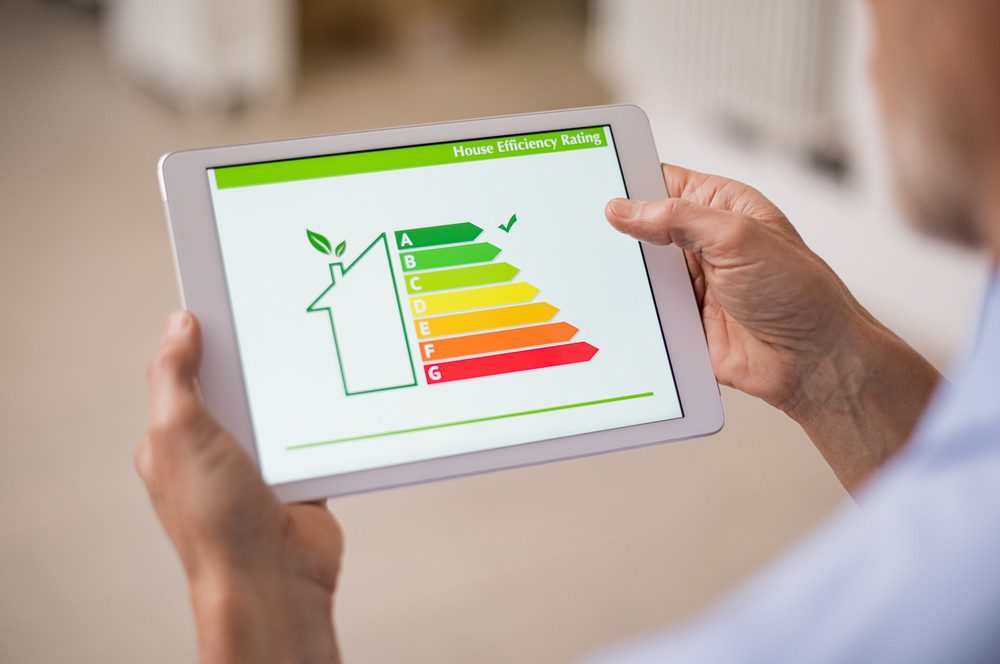
    NYC Energy Benchmarking is a mandatory energy efficiency program requiring certain buildings in New York City to track and submit energy use data on an annual basis. Buildings that participate in energy benchmarking are provided with energy efficiency ratings, giving owners insight into how their building compares to similar ones.

    The overall goal of the local law is to improve the energy efficiency of NYC buildings throughout the five boroughs by providing comprehensive, actionable data that helps identify and reduce energy and emissions performance.

    Leveraging the ENERGY STAR portfolio management tool, cities across the country can monitor progress and improve efficiency in thousands of public and private buildings at once.

    NYC Energy Benchmarking is ultimately a cost-saving practice for landlords and building owners looking to make their property more efficient- friendly for both tenants’ wallets and our planet!

    What are NYC Energy Benchmarking Requirements?

    New York City has set out energy benchmarking requirements to help reduce the city’s pollution levels, which have had a devastating effect on public health and the environment. NYC Energy Benchmarking is a voluntary program that helps building owners understand the energy use of their buildings in comparison to similar buildings, setting targets for energy efficiency improvements.

    This program requires that each year buildings over 25,000 sq ft track each and submit their annual energy and water usage with the intention of creating awareness of how much energy their buildings use. Owners then can compare their buildings’ energy performances throughout time with EPA ratings from over 5000 commercial buildings.

    If a certain building is found to be an inefficient use of resources, NYC Energy Benchmarking provides suggestions on how to improve its performance in order to help reduce emissions and save money. All data is then used by the city as aggregate data only, reducing privacy concerns so authorities can assess the emission profiles of individuals or groups of buildings.

    Through this program, New York City not only reduces its own carbon footprint and saves its renewable energy but other cities adopt these practices and are inspired by New York’s leadership in this effort thus leading to global impact.

    Benefits of Investing in NYC Energy Benchmarking
    NYC Energy Benchmarking - Reducing Energy Costs

    New York City buildings account for nearly 75% of the city’s carbon emissions, making energy efficiency through benchmarking a critical factor in fighting climate change. Investing in NYC Energy Benchmarking can provide a significant return on investment by reducing energy costs and creating a healthier living environment.

    For commercial buildings, it can mean improved occupancy rates from tenants who value eco-friendly options, better leasing deals as new efficiency measures lower energy bills even further, and tax incentives provided by the New York State Energy Research and Development Authority.

    Property managers also benefit from an easy-to-use online system to compare their buildings’ performance with similar properties and receive energy efficiency grades based on their energy savings efforts.

    NYC Energy Benchmarking is an important step towards achieving greater sustainability at both an individual building level as well as community-wide.

    Reasons to Invest in NYC Energy Benchmarking

    Leverage Data for Real Estate Investment:

    Benchmarking provides real estate owners and investors with data that can be used to make informed decisions. Real estate owners can use benchmarking data to compare their building’s energy performance against similar buildings, identify opportunities for improvement, and prioritize investments.

    Improve Property Value:

    Benchmarking can help improve property value by increasing overall efficiency and enhancing tenant comfort. Owners have the opportunity to demonstrate their commitment to energy efficiency, which has become an increasingly important factor for tenants when selecting the property.

    Reduce Operating Costs:

    By benchmarking a building’s performance and identifying opportunities for improvement, owners can reduce operating costs. The data provides insight into potential cost savings and the ability to target investments towards areas of greatest return.

    Reduce Greenhouse Gas Emissions:

    Benchmarking helps reduce greenhouse gas emissions by providing real estate owners with data that can inform operational decisions. By understanding energy use in their buildings and setting goals for improvement, owners can take action to reduce carbon dioxide emission levels.

    Maximize Subsidies & Incentives:

    Benchmarking can help owners maximize their access to subsidies and incentives offered by energy service companies, energy efficiency programs, and local governments. Depending on a building’s performance, owners may be eligible to receive funding or tax credits.

    Attract Eco-conscious Tenants:

    NYC Energy Benchmarking provides an opportunity for owners to demonstrate their commitment to sustainability and attract tenants who prioritize energy efficiency. Owners can use the data to demonstrate their building’s performance in comparison with industry standards and showcase the improvements they have made.

    Meet Legal Obligations:

    NYC Energy Benchmarking is a legal requirement for buildings over 25,000 square feet in NYC. It’s important that owners comply with the law and submit their reports on time to avoid potential fines. Benchmarking also helps owners meet other legal obligations related to energy efficiency, such as the Carbon Emission Reduction Requirement.

    Demonstrate Leadership:

    Benchmarking provides owners with a powerful platform to demonstrate their commitment to energy efficiency. By investing in NYC Energy Benchmarking, owners can demonstrate their leadership to the market and gain recognition for their achievements. This will help them stand out from the competition and attract eco-conscious tenants.

    By investing in NYC Energy Benchmarking, real estate owners and investors can capitalize on data to make informed decisions, improve property value and reduce operating costs, maximize subsidies and incentives, attract eco-conscious tenants, and meet legal obligations. Investing in benchmarking is an essential step for real estate owners to succeed in the changing market.  ​

    How NYC Energy Benchmarking Can Lower Your Carbon Footprint?

    City-wide efforts to reduce carbon emissions are a must in the fight against climate change, and the New York city council is leading the way. Through NYC energy benchmarking, they are making new requirements that existing buildings need to meet regarding their heating and cooling systems.

    By better understanding the energy and water usage of these buildings, owners have the data points needed to make informed decisions about new efficient equipment installations and timely repairs that improve efficiency.

    These changes can significantly help lower the carbon footprint in New York City because less energy is being used which also reduces greenhouse gas emissions from power plants. In addition, it saves businesses money on their utility bills every month!

    As NYC continues to invest in this practice, we’ll all be able to benefit from cleaner air, reduced costs, and a healthier planet.

    How Building Owners Can Use NYC Energy Benchmarking To Increase Energy efficiency?
    Increase Energy efficiency

    Building owners in New York City have the ability to increase their energy efficiency with NYC Energy Benchmarking. This program, put forth by the New York City Department of Buildings provides covered buildings with the resources to reduce their carbon footprint and save money.

    By using this program covered building owners can access a wealth of knowledge on data-driven recommended investments, distributed energy resources, and ways they can measure their success.

    NYC Energy Benchmarking allows building owners to identify where their buildings are wasting energy, understand their economic and environmental gains from implementing energy efficient solutions, as well as tracking progress over time.

    With this invaluable information covered building owners will be able to save money while helping protect the environment.

    How To Get Started With NYC Energy Benchmarking?

    NYC Energy Benchmarking is a great way for building owners for reducing greenhouse gas emissions of their buildings while simultaneously reducing energy costs.

    It requires an owner with an online NYC Buildings account to first log into the website and supply basic information about their building, including the address and borough.

    The next step is uploading certain documents, including an energy report and electricity bills, then viewing your building’s initial energy score—generated by combining reported details on square footage, number of buildings, thermostat capacity, etc.—and comparing it against peer buildings.

    NYC Energy Benchmarking projects power bill reductions of up to 10% each year when reducing energy use by 20%. Start reducing your energy footprint today with NYC Energy Benchmarking!

    Conclusion

    NYC energy benchmarking is an important step towards reducing your carbon footprint and saving on energy costs. By understanding how much energy your building uses, you can make informed decisions about how to reduce consumption and save money. And, by reducing your building’s energy use, you’ll also be doing your part to help the environment. If you’re interested in learning more about NYC energy benchmarking or would like help getting started, we’d be happy to talk with you.

     

  • Los Angeles energy benchmarking program

    Los Angeles energy benchmarking program

    Residents of Los Angeles have the opportunity to gain insight into their energy consumption—and their role in climate change—through energy benchmarking. A tool developed by cities like Los Angeles, it allows users to compare the performance of buildings and businesses when it comes to energy efforts and emissions tracking. This makes it easier for everyone involved to understand opportunities for improved efficiency, as well as changes that could be made on a smaller scale that drastically impacts larger-scale success. In this blog post, we take an in-depth look at how Los Angeles’s energy benchmarking program prospers and why city residents should take advantage of its offerings.

    Los Angeles Energy Benchmarking

    Los Angeles is leading the charge in revolutionizing a sustainable future through the Energy Benchmarking and Disclosure for Existing Commercial Buildings (EBEWE) program. Requiring all existing large multiple buildings to be benchmarked annually and reported to the City, EBEWE provides homeowners of these properties with full disclosure of their respective energy usage, helping them make responsible decisions toward reducing emissions.

    For example, owners can access actionable steps for lowering their building’s carbon footprint. Not only does EBEWE assist in analyzing energy trends over time and contribute to emissions reduction targets chosen by the local government, but it also serves to encourage an environmental consciousness within residential communities.

    By making energy efficiency more accessible and tangible, Los Angeles is laying down an inspiring path other cities can follow toward improving the planet’s future.

    Requirements For Los Angeles Energy Benchmarking

    Owning a commercial building in Los Angeles is a one-of-a-kind opportunity, and with that comes a unique responsibility – to comply with the city’s energy benchmarking law. This law requires detailed energy consumption data to be reported by property owners directly to the Department of Water & Power (LADWP).

    As a result, property owners have access to the Energy Star Portfolio Manager – an online database designed for convenient and efficient benchmarking. This system will generate scores for each property based on how much energy it uses compared to an associated building.

    All relevant information must be entered and properly documented by June 1st of every year, so officials can review and evaluate current usage data. By complying with this program, property owners are helping reduce energy consumption for a more sustainable future for us all!

    What Is Los Angeles Energy Benchmark Compliance?

    Energy Benchmark Compliance

    Los Angeles Energy Benchmark Compliance is a citywide initiative to improve the sustainability and energy efficiency of buildings. Through innovative energy management and reporting practices, this program helps reduce the consumption of electricity, natural gas, energy, and water in buildings, helping them meet their energy savings goals and save money. From small apartment buildings to large office towers, all commercial properties are required to comply with LA’s requirements for benchmark compliance.

    This data-driven approach ensures that building owners have accurate information on their total energy usage so they can make well-informed decisions about how best to conserve. By increasing our knowledge of how our built environment performs under real operating conditions, Los Angeles Energy Benchmark Compliance is working to ensure a more sustainable future for us all.

    How Does Los Angeles Benchmarking Work?

    Benchmarking in Los Angeles is designed to help improve the performance of companies in the region. The process involves collecting and analyzing data on key indicators, such as capabilities, procedures, processes, and costs associated with a company’s operations.

    Companies then compare their results against others within their own industry or compare them to a group of peers. These comparisons are used to create goals that lead to improvements through better practices and more efficient practices over time.

    As part of the benchmarking process, Los Angeles businesses use cost-benefit analysis to identify how changes can be implemented quickly and profitably. In other words, benchmarking provides businesses with an opportunity to imitate proven practices from peer companies in order to achieve greater success.

    Who Is Required To Comply With The LA Energy Benchmarking Law?

    Since the enactment of the LA Energy Benchmarking Law, numerous organizations have been required to abide by its regulations. Any non-residential building exceeding 20,000 square feet must comply, as well as any multifamily space that has five or more units and meets certain criteria.

    Furthermore, any residential building with over 20 units must follow the law. All participants must regularly report their energy data so that their progress can be tracked over time as a measure of efficiency and improvement. Adherence to the LA Energy Benchmarking Law is not just a civic duty, but an important step toward environmental sustainability and preservation.

    Benefits Of LA Energy Benchmarking

    Here are the benefits of LA energy benchmarking:

    Improved Sustainability

    Energy benchmarking helps identify areas for improvement in energy efficiency, enabling organizations to better understand their environmental impact and reduce their carbon footprint. Benchmarking also allows companies to track progress against established sustainability goals.

    Cost Savings

    By understanding where energy is being used or wasted, benchmarking can help organizations identify cost-saving opportunities. This information can be used to develop more efficient systems and practices, resulting in greater savings on energy bills.

    Improved Compliance

    LA’s benchmarking program requires the tracking and reporting of energy use data, which helps companies stay compliant with local ordinances and regulations.

    Increased Awareness

    Energy benchmarking helps foster a culture of energy efficiency within organizations. By understanding and tracking their energy use, employees can become more aware of how their practices affect greenhouse gas emissions. This awareness can help them to make better decisions and take ownership in reducing the environmental impact of their workplace.

    Increased Transparency

    Energy performance data collected through LA’s benchmarking program is available publicly, providing transparency to stakeholders and customers. This information gives customers greater insight into the sustainability of an organization, which can improve customer loyalty and trust.

    Overall, LA energy benchmarking helps organizations reduce their greenhouse gas emissions, save money on energy bills, stay compliant with local regulations and increase transparency to customers. With the benefits of LA energy benchmarking, it is easy to understand why so many organizations are becoming more committed to sustainability.

    Step-To-Step Guide On How Los Energy Benchmarking Performs

    Los energy benchmarking is a process that provides energy performance ratings for commercial and multifamily buildings based on energy consumption. This energy performance rating system helps building owners and managers track the building’s energy efficiency, compare the energy use of similar buildings, identify potential areas of improvement, and develop strategies for energy consumption reduction. The following guide outlines the steps involved in energy benchmarking for commercial and multifamily residential buildings.

    Data Collection

    The first step of energy benchmarking is to collect energy consumption data from the building’s energy utility bill, energy audit, or energy management system (EMS). This energy data can be used to determine a baseline energy performance rating.

    Benchmark Analysis

    The energy data is then analyzed to gain insights into energy use patterns and energy consumption by different building systems. This analysis helps identify energy-saving opportunities.

    Energy Performance Rating

    After analyzing the energy data, a performance rating is assigned to the building based on how efficiently it manages energy use compared with similar existing buildings.

    Develop Strategies and Action Plans

    Once energy performance ratings are established, the next step is to develop energy-saving strategies and action plans. This includes assessing energy efficiency retrofit opportunities, energy management systems upgrades, and energy policy development.

    Monitor Progress

    The energy benchmarking process should also include a periodic review of energy consumption data to ensure that energy savings goals are met. This helps identify any energy management issues that need to be addressed.

    Energy benchmarking not only provides energy performance ratings, but it also helps building owners and managers develop energy-saving strategies, track energy use patterns, and reduce energy consumption over time. By following these steps, commercial and multifamily buildings can achieve improved energy efficiency and lower energy bills.

    By utilizing energy benchmarking, commercial and multifamily buildings can not only reduce energy consumption but also save money. By making energy efficiency improvements and developing energy-saving strategies, building owners and managers can significantly reduce energy costs while providing a more comfortable living or working environment. This is why energy benchmarking is becoming increasingly popular in the commercial and multifamily building sector.

    When Is The Los Angeles Energy Benchmarking Report Due?

    Los Angeles Energy Benchmarking Report

    The Los Angeles Energy Benchmarking Report is a yearly commitment for property owners of commercial and multifamily buildings larger than 50,000 square feet and municipal buildings over 10,000 square feet of gross floor area in the city.

    Completing this report by June 1st each year provides invaluable insight into the effectiveness of energy usage, helps the Earth Engineering Center develop actionable plans towards sustainability, and gives local owners an opportunity to become part of the solution to climate change.

    Owners are therefore encouraged to submit their reports early so that more collective progress can be made in energy efficiency.

    What Are The Penalties For Non-Compliance With The Los Angeles Energy Benchmarking Law?

    The Los Angeles building Energy Benchmarking Law is an important legislation set at the city level to reduce energy use in commercial and residential buildings. What many may not know is that failure to comply or not submitting reports can result in serious consequences.

    In cases of non-compliance, the first step taken by the City of Los Angeles is a warning letter demanding corrective action – if it goes ignored, misdemeanor charges may follow along with fines up to $2,500; an amount that can easily add up with additional community service hours depending on the judge’s ruling.

    For this reason, those affected should be sure to meet all obligations outlined in the law and stay informed on any changes or notices from local authorities to avoid facing penalties for non-compliance.

    How To Submit Los Angeles Benchmarking Report?

    Submitting the Benchmarking Report for Los Angeles is simple, efficient, and green! All you need to do is create an online profile with the City of Los Angeles Performance Reporting website. Then you can easily find and submit your report in a standard online form. For easy access, you can also start the Benchmarking survey process by calling toll-free from anywhere in Southern California. Finally, if the paper is more your style, you can request a paper version of your report from their customer service department. Once your report is completed, simply mail it to their address for review and submission. Submitting the Benchmarking Report has never been easier!


  • Local Law 84 Benchmarking Report

    Local Law 84 Benchmarking Report

    Are you a business in NYC feeling overwhelmed by the number of compliances to adhere to the Benchmarking Report, famously known as Local Law 84? Don’t fret – we’re here to help! Here at [insert your business], we guide businesses in understanding baseline year energy consumption and easily submitting their report.

    Our experts will provide detailed insights regarding the best practices for energy reduction and provide exemplary support throughout the process. With our assistance, you can be sure your building is taking all measures to save energy, and money, and contribute towards mitigating climate change! Join us today on this journey of creating a more sustainable future!

    What Is Local Law 84?

    Local Law 84 (LL84) is bringing about positive change to building efficiency in New York City. A part of the Greener, Greater Building Plan, LL84 requires two or more buildings on a single lot over 100,000 square feet to report their energy and water usage each year through benchmarking data. This helps owners and tenants better understand how they can make energy-saving changes through energy audits, enabling them to reduce their use and impact on the environment.

    Every person in all five boroughs of NYC has the opportunity to be a sustainability hero by submitting these annual energy reports. LL84 provides the platform for real results that can amplify sustainability efforts across the entire city—we just need to make sure we’re utilizing it!

    How Can Building Owners Track The Building’s Energy Efficiency?

    Building’s Energy and Water Consumption

    Building owners in New York have an essential responsibility: they must use an energy benchmarking tool to measure, track and report their building’s energy and water consumption.

    For Local Law 84 Compliance, the ENERGY STAR Portfolio Manager tool is utilized to generate an ENERGY STAR score, as well as the Building’s Energy Efficiency Rating or Energy Grade corresponding to NYC’s Local Law 95. In cases where tenant space is differently metered by a utility company, building owners must also submit their tenant-metered energy/water data.

    Non-compliance with each of these landmark regulations carries with it hefty quarterly fines, so it is paramount that all building owners understand and adhere to their requirements.

    What Are The Effects Of Ll84 On ROI?

    The LL84 has the following effects on ROI:

    Increased Energy Savings

    The LL84 requires buildings to meet specific energy efficiency standards, resulting in lower energy costs and associated savings for owners. This can lead to improved return on investment over time.

    Improved Comfort Levels

    Higher efficiency standards mean greater comfort levels within a building, leading to increased productivity and tenant satisfaction which can also lead to increased ROI.

    Increased Marketability

    Buildings that comply with LL84 standards can be more attractive to prospective tenants due to their energy efficiency, which means owners may be able to charge higher rents and receive better returns on their investments.

    Reduced Operating Total Cost

    Lower utility bills resulting from the improved energy efficiency of a building can also lead to reduced operating costs, which can improve ROI.

    Increased Property Value

    The improved energy efficiency resulting from the LL84 standards can also increase the value of a building in the long term, leading to higher returns on investments.

    Overall, implementing LL84 standards in buildings can lead to improved returns on corporate finance in the long run. By incurring initial costs for achieving LL84 compliance, owners can benefit from reduced energy bills, increased rents, and improved property values, leading to greater returns over time.

    Requirements For Ll84 Energy Benchmarking

    The requirements for Local Law 84 energy benchmarking are essential for ensuring efficient energy use across New York City. Complying with the requirements of this law not only makes a substantial impact on reducing carbon emissions but also creates a more cost-effective way to manage energy resources.

    All NYC buildings larger than 50,000 square feet are required to track their energy and water use every year and submit the information in an online portal run by the NYC Department of Buildings. By making sure you understand these simple requirements, you can easily help your building and the city advance toward sustainable energy solutions!

    Who Should Comply With LL84 Energy Benchmarking?

    The Local Law 84 energy benchmarking process is an important step in helping New York City create a more efficient and sustainable future. All buildings that are over 50,000 square feet and have been certified for occupancy for at least one year must comply with the law’s provisions.

    This includes commercial office spaces, residential rental properties, hotels and motels, shopping malls and centers, hospitals, nursing homes, and other large-scale institutional spaces. The LL84 requirements help property owners keep track of their buildings’ energy performance while providing them with the opportunity to reduce their energy costs through improved efficiency. By adhering to this law, we can all be part of the larger effort to make New York City greener and more efficient.

    Benefits Of Benchmarking Energy Consumption

    Let’s check out the benefits of benchmarking energy consumption:

    • Improved Efficiency: Benchmarking energy consumption helps to identify areas where efficiency gains can be made, helping to reduce overall energy usage and costs. This is especially beneficial for large organizations with complex systems or multiple buildings.
    • Reduced Emissions: By tracking and reducing energy use, companies can reduce their environmental impact by reducing greenhouse gas emissions. This helps organizations meet their sustainability goals and combat climate change.
    • Increased Awareness: Benchmarking energy consumption raises awareness of how energy is used, encouraging employees to make more conscious choices about their own usage and promoting green initiatives within the company.
    • Enhanced Competitiveness: Having a clear understanding of energy consumption can give organizations an edge when competing for resources and contracts. This is especially true in competitive markets, where customers may be looking to do business with the most energy-efficient organization.
    • Improved Performance: Benchmarking can help identify areas of underperformance and allow energy managers to address them before they become bigger issues. This helps organizations save money while also ensuring that they are running at peak efficiency.
    • Cost Savings: By tracking and reducing energy consumption, organizations can save money by lowering their overall energy bills. In addition, benchmarking helps identify areas where equipment upgrades or other changes may be necessary to reduce energy costs in the long run.
    • Compliance with Regulations: Governments and other regulatory bodies often require organizations to track and report their energy consumption. Benchmarking can help ensure that these requirements are met, helping to avoid costly fines or other penalties.

    In short, benchmarking energy consumption can provide numerous benefits for businesses, from improved efficiency and reduced emissions to cost savings and enhanced competitiveness. As environmental regulations become increasingly strict, it is more important than ever for organizations to take steps to reduce their energy consumption. Benchmarking helps make this easier and can help most companies save money in the long run.

    Penalties For Non-Compliance With The LL84 Energy Benchmarking

    In New York City, non-compliance with Local Law 84 Energy Benchmarking can be costly for commercial building owners. Fines range from $500 to $2,000 a day and the building does not follow LL84 regulations. The violation persists every day and the correction of the issue is overdue until compliance is achieved. If a property is determined to be in violation of the law for six months or more, the environmental administrator will refer it to the Environmental Control Board, and hefty fines can result based on the severity of the offense. Building owners must ensure their properties meet LL84 compliance requirements to avoid costly penalties due to their actions.

    How To Get Started With Ll84 Benchmarking In Your Business?

    Start Ll84 Benchmarking In Your Business

    Here is how you can start with Ll84 benchmarking in your business:

    • Identify the areas that need improved energy efficiency in your business. This includes equipment, lighting, heating, and cooling systems, and other areas where energy is used.
    • Analyze the current energy usage of each area in order to determine how much can be saved by making changes or upgrades.
    • Set goals for each area and create an action plan to reach the goals. This action plan should include specific tasks, timelines, and responsibilities for achieving the energy efficiency goals.
    • Train staff on how to perform lead generation and benchmarking activities and ensure that they are well-versed in the process of collecting data, analyzing it, and reporting findings.
    • Analyze the data collected to find areas where energy is being wasted and make improvements accordingly. This can include replacing outdated equipment or making upgrades to existing systems.
    • Monitor the company’s sales progress on a regular basis and adjust goals as needed to ensure that the desired outcomes are achieved.
    • Report findings to management and relevant stakeholders and use the results to plan further action.

    Following these steps will help you get started with LL84 benchmarking in your business, enabling you to make improvements that can save energy and money. With regular performance reviews and evaluations, your business can reap the rewards of increased efficiency and reduced energy costs over time.

    Case studies of businesses that have benefited from ll84 benchmarking

    Step-To-Step On LL84 Benchmarking And Its Affect on ROI

    Measure Your Business’s Current Financial Performance

    To mark a good benchmark for your content marketing programs’ performance in the business world, you need to have a baseline measurement of where you currently stand. This can be done by reviewing financial records, customer satisfaction surveys, and other data sources that measure the success of current operations.

    Analyze Key Performance Indicators (KPIs)

    By understanding which KPIs are most important for your business, you can then use them as a comparison tool to measure changes in performance over time. KPIs such as customer satisfaction scores, return on investment (ROI), cost per acquisition, and employee productivity should be regularly monitored and tracked in order to accurately assess the impact of any changes.

    Set Goals and Objectives

    Once you’ve determined your current performance, set goals for improvement and create an action plan with measurable objectives to achieve them. Make sure that these objectives are realistic and achievable in order to maximize the ROI from your efforts.

    Implement Changes

    Based on the data gathered from benchmarking, implement changes to improve the performance of your business. For example, if you’ve identified a weak area in customer satisfaction, focus on addressing that issue by improving customer service or providing more products or services tailored to customer needs.

    Monitor Progress

    Lastly, it is important to track progress and measure the success of any changes made. Keep an eye on your KPIs and make adjustments to ensure that you are achieving the desired results.

    By properly benchmarking efforts and tracking performance, you can measure the success of changes made over time, maximize ROI and ultimately improve the overall performance of your business. It is important to regularly review key metrics and use data to inform decisions in order to ensure that your business is reaching its full potential. With a thorough understanding of the LL84 benchmarking process, you can more accurately measure and improve the performance of your organization — all while increasing ROI.