Tag: Energy Upgrades

  • Guide to San Francisco Energy Benchmarking

    Guide to San Francisco Energy Benchmarking

    Are you tired of locating the best available energy data for San Francisco? If so, then look no further! Our guide to San Francisco’s energy benchmarking portal has all the necessary information. We’ll take you through each step with ease, clearly outlining what is needed to understand better and improve your building or portfolio’s energy use. With our help, you’ll be able to access actionable insights from real-time and historical performance metrics. Whether optimizing existing systems or developing new projects – our guide will show how this portal can provide a competitive advantage over other cities worldwide!

    What Is San Francisco Energy Benchmarking?

    San Francisco Energy Benchmarking is a citywide initiative to provide San Francisco building owners with a way to measure and report their properties’ energy use. This groundbreaking program helps property owners save money on energy costs by tracking their usage and making informed decisions about sustainability improvements. It uses benchmarking software to compare a building’s energy performance to similar buildings in the area, allowing property owners to identify areas where they can reduce waste and increase efficiency. The generated data allows property owners and policy-makers to make informed decisions regarding energy management practices that can help reduce the city’s greenhouse gas emissions while saving money in the long run.

    Who Can Comply With San Francisco Energy Benchmarking?

    Energy efficiency has never been easier in San Francisco, thanks to energy benchmarking! Energy benchmarking is the process of measuring energy consumption relative to energy performance standards. It’s a framework that lets folks know how much energy their building or structure uses compared to similar buildings.

    Anyone can use San Francisco’s energy benchmarking initiatives and tools; this includes property owners, building managers, real estate portfolio companies, and anyone else who needs to meet energy efficiency requirements. To get started with energy benchmarking in San Francisco, you’ll need access to the EPA’s Energy Star Portfolio Manager—a free online tool designed specifically for service providers and end users. With it, you can enter your building or structure’s information, such as location, square footage, and energy sources—as well as energy usage estimates— to easily track your progress on reaching greater energy efficiency goals.

    Guide To San Francisco Energy Benchmarking Portal

    San Francisco has recently released its online Energy Benchmarking Portal, a definitive guide that outlines the city’s Buildings Energy Performance Ordinance. As part of this ordinance, building owners and operators in San Francisco must request energy usage data from tenants annually. This information allows the city of San Francisco to understand better how and why buildings use energy, enabling them to develop more efficient solutions while keeping costs down. With the San Francisco Energy Benchmarking Portal, building owners receive energy benchmarks for their own units and information about local resources, incentives, programs, and other best practices related to energy efficiency.

    What Are Requirements For San Francisco Energy Benchmarking

    For energy benchmarking in San Francisco, energy use data must be reported to the Department of Environment every three years. Energy performance metrics must be compared to similar buildings using energy scorecard metrics. Furthermore, energy auditors with sufficient training, experience, and expertise must perform energy audits and commission energy efficiency retrofits in compliance with city building energy efficiency requirements. Buildings entering the Energy Scorecard program must meet specific size and electrical energy use criteria. At the same time, all other structures are subject to voluntary benchmarking, giving landlords serious incentives to evaluate how their buildings are performing regarding energy use.

    Deadline For San Francisco Energy Benchmarking Report

    SF Energy Benchmarking ReportAre you a building owner in San Francisco? If so, don’t miss the energy benchmarking report deadline! Every year, owners of non-residential buildings over 10,000 square feet can participate in energy benchmarking. The goal is to assess energy performance and decrease energy use with energy efficiency upgrades. All energy benchmarking reports must be completed by June 1st in order to comply with the regulations set by the California Energy Commission and receive their Energy Star Score. Using the data gathered from this report, owners will have all the information they need to identify energy-saving opportunities in their facility and make meaningful investments to improve energy efficiency. Get started today on meeting this important deadline for your energy benchmarking report!

    Penalty For San Francisco Energy Benchmarking Report

    The San Francisco energy benchmarking report is a vital measure of how energy is used in buildings and commercial spaces throughout the city. There are serious consequences for households and businesses that fail to comply with these standards. Non-compliance can lead to a civil penalty fine ranging from three hundred to six thousand dollars. Additionally, failure to submit the necessary online forms annually can result in administrative fines of up to five thousand dollars for each violation. Citizens of San Francisco and business owners must take responsibility and ensure compliance with this essential city policy—otherwise, financial penalties may apply.

    Benefits Of San Francisco Energy Benchmarking

    Let’s have a look at the benefits:

    1. Increased Productivity: San Francisco energy benchmarking is an effective way to reduce energy consumption in buildings and save money as a result. By tracking and analyzing building energy data, businesses can make informed decisions about improving efficiency and reducing costs. This improved efficiency can increase employee productivity, allowing them to focus their efforts on more important tasks.

    2. Improved Environmental Impact: San Francisco energy benchmarking helps reduce the energy consumed in buildings and make them more sustainable. By using less energy, businesses can reduce their carbon footprint and help to slow the rate of climate change. This can have a positive impact on both people and the environment.

    3. Money Saved: San Francisco energy benchmarking can help businesses save money on their energy bills. By reducing the energy used in buildings, businesses can reduce their monthly costs and put that money toward other initiatives. This can have a positive effect on the bottom line and help to improve profitability.

    4. Increased Awareness: Doing an energy audit on a building can help raise employees’ awareness about how their energy consumption affects the environment. This improved understanding can lead to more responsible energy use, reducing costs and improving efficiency.

    5. Improved Building Performance: Businesses can identify areas where improvements can be made by tracking and analyzing building energy data. This could include things like replacing old equipment with more efficient models, improving insulation, or installing solar panels. All these improvements can lead to better building performance and a higher comfort level for occupants.

    Overall, San Francisco energy benchmarking offers numerous benefits for businesses in terms of improved efficiency, reduced costs, and increased sustainability. By taking the time to track and analyze energy data, businesses can make informed decisions about reducing their energy consumption and making their buildings more efficient. This can lead to improved productivity, environmental impact, and money saved in the long run.

    Things To Consider When Complying With San Francisco Energy Benchmarking

    Complying with San Francisco Energy BenchmarkingHere is what you should consider when complying with San Francisco benchmarking:

    1. Energy Audits: An energy audit is a comprehensive assessment of your building’s current energy use and can help identify potential areas for improvement. Make sure to take advantage of this service, as it can help you meet the benchmarking requirements more efficiently.

    2. Benchmarking: San Francisco requires a full analysis on a building’s benchmarking performance, as well as the potential for improvement. Make sure to keep track of any changes you make so that it can be reflected in the analysis.

    3. Reporting: San Francisco requires annual energy reports on buildings larger than 10,000 square feet. Accurately tracking and reporting energy use is essential for meeting the benchmarking requirements.

    4. Documentation: Keep detailed records of all energy-efficient upgrades for your building, such as new equipment, insulation, or lighting changes. This documentation will be necessary when filing annual reports.

    5. System Upgrades: It may be necessary to upgrade existing systems, such as HVAC and lighting, to meet the benchmarking requirements. Make sure to research your options and choose upgrades that provide maximum efficiency and cost savings.

    6. Financing: San Francisco provides incentives for energy-efficient upgrades, such as rebates or grants. Leverage these resources to improve your building’s efficiency cost-effectively.

    7. Compliance: Make sure to stay up-to-date on all the benchmarking requirements. San Francisco occasionally changes the rules, so it’s important to comply with all regulations.

    Following these guidelines will help ensure that your building meets and exceeds the San Francisco Energy Benchmarking standards. Taking a proactive approach and making small changes can save time, money, and energy in the long run.

    Conclusion

    The City of San Francisco has made it easy for building owners to find out how their buildings measure up in terms of energy performance with the Benchmarking Portal. With this valuable tool, you can track your progress over time and compare your building’s energy use to similar properties across San Francisco. Energy benchmarking can be a time-consuming and confusing process. Need help? VertPro® simplifies energy benchmarking for your entire portfolio! It’s as easy as 1,2,3! Sign up for free today at VertPro®.

    Making your property more energy efficient not only saves you money, but also reduces greenhouse gas emissions and helps create a healthier environment for everyone. Log into the portal today and start benchmarking your property’s energy performance.


  • Understanding the Los Angeles Energy Benchmarking Emission limits

    Understanding the Los Angeles Energy Benchmarking Emission limits

    LA is setting the standard for green businesses, and understanding their energy benchmarking emission limits will ensure you don’t get left behind. Far more than an annoyance to business owners, failing to comply with these regulations can directly impact your reputation and wallet size! In this guide, we’ll explain exactly what LA’s rules are; when they apply; why it matters right now; plus how adhering to them might benefit everyone involved – from employees to customers alike!

    And if you’re serious about meeting standards across all sizes & sectors of organizations? Then check out our best practices advice at the end – everything a budding eco-friendly entrepreneur needs in one place. Learn today: live ‘green’ tomorrow!

    What Is LA Energy Benchmarking Emission Limit?

    LA has implemented a comprehensive energy benchmarking and emission limit policy to reduce its non-residential buildings’ greenhouse gas emissions. This program, EBEWE, allows building owners to measure their energy performance against similar structures or the city’s own settings over time.

    By implementing efficient technology and operations practices into the design of these policies, LA is creating an effective roadmap for improving energy efficiency in all aspects of commercial real estate ownership. Through this initiative, it can be seen that environmental stewardship plays a crucial role in driving economic growth throughout California and positively impacting global efforts toward climate change adaptation!

    Who Can Comply With LA Energy Benchmarking?

    LA Energy Benchmarking Compliance

    With rising energy costs, businesses in Los Angeles are keeping their eyes open for ways to save. The city’s benchmarking policy requires buildings bigger than 20,000 square feet to assess and upload data on water and energy use into Energy Star Portfolio Manager annually. This produces an easy-to-understand score denoting the building’s efficiency level – a higher score means better performance in being more environmentally responsible!

    With such a straightforward way of showing commitment towards sustainability goals while cutting back on expenses, LA organizations have plenty of reason to invest time and effort into establishing green practices that make them stand out as leaders in becoming sustainable powerhouse cities!

    Deadline For LA Energy Benchmarking Report

    Los Angeles energy benchmarking reports are due on June 1! Whether jointly or separately owned, many new and existing buildings over 20,000 square feet of gross floor area in Los Angeles must comply with the city’s energy benchmarking ordinance requirements. This includes performing energy audits and submitting energy performance data to California Energy Benchmarking.

    Different energy sources are included in these reports, such as electricity, oil, and natural gas; these energy sources must all be used in accordance with applicable energy standards outlined in the Los Angeles Municipal Code. Hurry and meet the deadline -June 1 is just around the corner!

    Understanding The Los Angeles Energy Benchmarking Emission Limits

    The Los Angeles City Council has recently passed an ordinance, the LA Energy Benchmarking and Emission Limits Ordinance, that allows building owners in the local area to monitor their existing buildings’ energy consumption easily. With this greater level of detail concerning water usage and energy services performance available, they can assess precisely how well-equipped their establishments are for meeting these new standards set by authorities. This ordinance provides company proprietors with all the data needed to make meaningful upgrades so as to remain compliant with government regulations – a responsibility that now falls on them more than ever before!

    What Are Requirements for Los Angeles Energy Benchmarking?

    The City of Los Angeles has set a bold goal for achieving energy and water efficiency: mandating benchmarking throughout the city’s businesses and public facilities. By comparing annual gas, electricity, and other resource consumption from year to year at each facility and tracking their progress over time, we can effectively identify potential areas where cost savings – and emissions reductions! – are achievable. It’s an ambitious endeavor but one that carries a great promise; together, let us strive towards realizing increased resource conservation in our beloved hometown!

    The city of Los Angeles is committed to conserving resources and upholding established sustainability goals — an effort that begins with businesses consuming a significant amount of energy. To keep them informed on their resource use, organizations must provide year-over-year data reports -comprising baseline figures for the current period and comparison details from previous periods. With this requirement in effect, companies can competitively refer back to prior years’ numbers while making knowledgeable decisions along the way – ultimately resulting in positive outcomes toward growing green initiatives!

    Penalty For Los Angeles Energy Benchmarking Report

    Los Angeles has taken a firm stance towards energy conservation, with the upcoming implementation of their ‘penalty for not filing energy benchmarking reports’ policy. Starting November 2020, commercial and multifamily buildings that are more than 20,000 square feet will be required to complete and submit energy usage reports on an annual basis.

    These reports simulate how much certain energy structures use yearly, allowing Los Angeles to track improvement and keep citizens accountable for meeting sustainability goals. Any buildings that do not meet this requirement by March 31st, 2021, the deadline will face a fine starting at $2 per day until the report has been completed and satisfactorily submitted. It’s a great step forward for the city as they pursue its 2020 goal of slashing carbon emissions by 45%.

    Benefits Of Los Angeles Energy Benchmarking

    Los Angeles Energy Benchmarking Benefits Here are the benefits of LA Benchmarking:


    1. Increases Transparency: LA Benchmarking increases transparency in energy use by providing clear data on how much energy is used and how it is distributed throughout the city, allowing stakeholders to make informed decisions on their future energy usage.

    2. Improves Efficiency: As LA Benchmarking requires regular reporting from building owners, it encourages them to find ways to reduce energy usage through improved efficiency. This leads to lower operational costs and a reduction in greenhouse gas emissions.

    3. Improves Building Value: Energy-efficient commercial and multifamily buildings are more attractive to tenants, investors, and buyers due to their lower operating costs. As LA Benchmarking requires energy audits, owners can use the results to make necessary improvements and increase the value of their properties.

    4. Supports Climate Action: LA Benchmarking helps the city meet its climate action goals by requiring commercial and multifamily buildings to become more energy efficient. This reduces the city’s carbon footprint, making it a leader in environmental stewardship.

    5. Increases Awareness: LA Benchmarking increases awareness of energy usage in commercial and multifamily buildings, providing building owners with the information they need to make informed decisions about their energy use. This encourages more efficient practices and helps create a sustainable future for Los Angeles.

    Overall, LA Benchmarking has numerous benefits for commercial and multifamily buildings, from improving efficiency and building value to supporting climate action and increasing awareness. It is an important tool in the city’s efforts to create a more sustainable future.

    Things To Consider When Complying With Energy Benchmarking

    Let’s check out:

    1. Understand the underlying purpose of energy benchmarking: The first step to successful compliance with an energy benchmark is to understand why you are doing it in the first place. Is this a requirement from a government agency or utility? Are you trying to save money on your energy bills? What metrics, such as energy intensity and carbon emissions, are you trying to improve?

    2. Choose the right benchmarking tool: There are various energy benchmarking tools available, each with different features and benefits. Make sure you choose a tool that will meet your specific needs, such as integrating other data sources or advanced reporting capabilities.

    3. Create an action plan: Before beginning any energy benchmarking project, it is important to create a comprehensive action plan that outlines the goals and steps necessary for optimal energy savings. This includes understanding energy usage patterns, setting energy targets, and determining how energy projects will be implemented.

    4. Monitor progress: Once your energy benchmarking project is underway, you need to track progress over time to ensure energy savings goals are being met. A good energy benchmarking tool should provide detailed energy data and reports that enable you to identify areas of improvement.

    5. Leverage available resources: The Los Angeles Department of Water & Power has developed energy efficiency programs and incentives to help businesses meet energy savings targets. Businesses can save energy and money by taking advantage of energy incentive programs, rebates, and audits.

    By understanding the purpose of energy benchmarking, choosing the right benchmarking tool, creating an action plan, monitoring progress, and leveraging available resources, businesses in Los Angeles can maximize their energy savings while complying with energy benchmarking regulations.

    Conclusion

    In order to help reduce emissions and protect our environment, businesses need to understand the LA energy benchmarking emission limits. With this knowledge, businesses can ensure they comply with these regulations and help create a cleaner and healthier world for us all.

  • Los Angeles EBEWE Benchmarking Process and Information

    Los Angeles EBEWE Benchmarking Process and Information

    Are you a business owner in Los Angeles looking to gain an advantage over your competition? EBEWE – the acronym for “Efficient Business Evaluation and Web-Enabled Functionality” – is a benchmarking program encouraging local businesses to evaluate their operations and leverage web technology for better performance. Energy benchmarking provides insights into areas of improvement, giving companies in Los Angeles the key competitive edge they need in today’s increasingly global marketplace. Read on for more information about this influential benchmarking system and how it could benefit you!

    What Is Los Angeles EBEWE Benchmarking?

    Los Angeles EBEWE Benchmarking is a performance management system many local authorities use. It assesses strategies and processes used to manage services in the area and enables councils to compare their performance against other areas. This helps them identify best practices, weaknesses, and how they can improve efficiency, effectiveness, and customer service delivery. It allows councils to measure their progress over time, so they have an accurate record of improvement or regression. Los Angeles EBEWE Benchmarking provides reliable insights that local authorities can use when making decisions that affect the lives of their citizens.

    Who Should Comply With Los Angeles EBEWE Benchmarking?

    Complying with the Los Angeles existing buildings’ energy and water efficiency (EBEWE) benchmarking requirements is a great way for existing buildings to increase their energy and water efficiency. Enacting the Los Angeles municipal code, existing building owners must measure their energy and water usage annually, estimate the emissions from those sources, and report these results publicly. All multifamily and commercial buildings greater than 20,000 sq. ft. are required to comply, developing an accurate picture of existing building performance and setting future targets for building sustainability standards. Those who meet the requirements can proudly showcase their commitment to helping reduce harmful building emissions and build a brighter, more sustainable tomorrow!

    Los Angeles EBEWE Benchmarking Process And Information

    LA EBEWE Benchmarking Requirements

    The Los Angeles Department of Energy and Environment is leading the way in benchmarking energy efficiency. As part of this process, they’ve implemented a comprehensive enterprise-wide benchmarking system that strengthens their capacity for data collection, quality checkers, and analytics. This system helps them achieve Energy Star certifications in their buildings, which educates the public on reducing greenhouse gas emissions. Ultimately, their work will help build healthier and more sustainable cities for generations to come.

    Requirements For Los Angeles EBEWE Benchmarking

    If you’re looking to benchmark your facility’s energy performance in Los Angeles, there are a few requirements you’ll need to meet. To get started, you’ll need to create a portfolio manager account and have your facility go through a data quality checker. From there, your facility will be eligible for an Energy Star certification necessary for the formal benchmarking process. By fulfilling these requirements, your facility will be well on its way to lowering energy costs and ultimately reducing its impact on the environment in LA.

    Deadline For Los Angeles EBEWE Energy Benchmark Report

    Have you taken the time to fill out your Los Angeles EBEWE Energy Benchmark Report? Don’t wait too long – the deadline for submission is quickly approaching! Make sure you have all of the necessary information to complete your report accurately, as it will help inform relevant energy initiatives in the City of Los Angeles. Benchmarking reports must be submitted by June 1st, so don’t delay. Taking a few moments today to fill out the report can pay off greatly in the future— not only will you do your part to make a difference in fighting climate change, but you could also save money on utility costs and improve working and living conditions.

    Penalty For Los Angeles EBEWE Energy Benchmarking Report

    Los Angeles has become the first city in the United States to impose a financial penalty on property owners whose buildings fail to meet minimum energy efficiency standards, as outlined in their EBEWE Energy Benchmarking Report. In order to comply with this new policy, property owners have to complete an annual energy benchmarking report to calculate any disparity against the average usage range of similar properties throughout the city. If they fail to achieve 80% efficiency or higher, they face a $200 fine each month. Taking such steps helps leaders underscore the importance of making building operations more environmentally friendly by using efficient advanced technologies while reducing emissions and pollution levels. It is Los Angeles’ firm intention that all stakeholders focus on reducing their carbon footprint, ultimately leading to a healthier environment for everyone.

    Benefits Of Los Angeles EBEWE Benchmarking

    Let’s have a look at the benefits of energy benchmarking:

    1. Improved operational efficiency: Benchmarking can help identify areas for improvement in building energy use and operations. By comparing buildings to one another, facility managers can recognize where their building is performing well and where adjustments might be needed to improve overall performance. This comparison allows managers to make informed decisions on optimizing the building’s energy efficiency and reducing wasted energy.

    2. Cost savings: Benchmarking can help identify areas of potential cost savings. By comparing buildings to one another, facility managers can recognize where their building is performing well and where adjustments might be needed to improve overall performance. This comparison allows them to make informed decisions on ways to optimize energy use and reduce energy costs.

    3. Better performance tracking: Los Angeles EBEWE Program provides information about energy use, enabling facility managers to track the performance of their building over time and respond quickly to changes in the market or their operations. By looking at how a building performs relative to similar buildings, they can adjust their strategies to increase energy efficiency.

    4. Opportunities for improvement: Benchmarking can illustrate areas requiring improvement so building owners can implement new energy-saving measures, such as installing more efficient equipment or technology and improving building maintenance practices. This helps to ensure that buildings are running at optimal levels and providing the best possible performance for occupants.

    5. Compliance with energy regulations: Benchmarking helps ensure that a building complies with local and state energy codes. By providing a comprehensive picture of the building’s energy use, it can help facility managers to make sure they are meeting all regulatory requirements.

    In conclusion, Los Angeles EBEWE Benchmarking provides an invaluable tool for building owners and property managers to track and improve their energy use performance. By comparing buildings to one another, managers can identify areas for improvement in energy efficiency and cost savings and help ensure compliance with regulatory requirements.

    Things To Consider When Complying With Los Angeles Benchmarking

    Complying with EBEWE Benchmarking

    Here is what you should consider when complying with EBEWE Benchmarking:

    1. Understand the legal requirements: Ensure you are well-versed in all applicable rules, regulations, and laws regarding energy benchmarking for buildings in Los Angeles. This includes knowing what records need to be maintained and submitted and any penalties or fines associated with non-compliance.

    2. Educate yourself on the EBEWE benchmarking process: Become familiar with the terminology and process of energy benchmarking. Understand how to properly measure, track, and analyze building performance over time. Additionally, understand which data points are required by EBEWE for reporting and filing purposes.

    3. Get the right tools for tracking your progress: Develop a comprehensive plan for keeping track of your energy use. Invest in software, such as Portfolio Manager, or VertPro® to help you easily track and monitor your building’s energy performance. Energy benchmarking can be a time-consuming and confusing process. VertPro® helps simplify energy benchmarking for your entire portfolio! It’s as easy as 1,2,3! Sign up for free today at VertPro®.

    4. Develop strategies for improving efficiency: Assess areas where improvements can be made to increase the building’s overall efficiency. Work with a consultant to develop an action plan for implementing energy efficiency retrofits.

    5. Regularly inspect your building’s performance: Maintain a close eye on any changes in energy usage as you implement new efficiency measures. Regularly review results with staff to ensure that the strategies are being properly implemented and have the desired effect.

    6. Stay informed of updates to the EBEWE benchmarking program: Changes in the benchmarking process, rules, and regulations may occur over time. Keep up with any updates to ensure that your building is always in compliance and optimized for performance.

    Following these tips will help you stay compliant with EBEWE Benchmarking while also improving the overall efficiency of your building. With the right resources and strategies in place, you can be sure that your building meets all legal requirements while also taking advantage of available energy savings.

    Conclusion

    The Los Angeles EBEWE benchmarking process is essential for businesses to ensure they are ahead of the competition. With so many businesses in the area, staying on top of trends and developments is important. This process allows business owners to see where they stand in relation to other companies and make necessary changes to remain competitive. Information gathered through this process can also attract new customers and grow the business.

  • How Energy Benchmarking – Improves Building Performance

    How Energy Benchmarking – Improves Building Performance

    Do you use energy benchmarking to assess your building’s performance? If not, now is the time to start. Energy benchmarking can help you make the most of the energy usage in your building and save money in the process. In this blog post, we’ll explore why your business needs to invest in energy benchmarking and some key strategies to help improve your building’s efficiency over time. From reduced costs and increased comfort levels, there are countless benefits that come with improving a building’s performance—so let’s take a look!

    What Is Energy Benchmarking?

    Energy benchmarking is an important tool to help measure energy efficiency in buildings. It compares energy consumption levels of buildings against similar facilities, allowing for energy performance comparisons over time and aiding in energy conservation decisions.

    Through energy benchmarking, building owners and property managers can monitor energy usage trends to identify problems, find energy savings opportunities across their portfolio or facility, and track progress and investments over time. In addition to helping buildings become more energy efficient, benchmarks also provide a way to measure the effectiveness of upgrading building systems with cutting-edge technology like renewable energy sources. As such, energy benchmarking is a valuable tool in the push toward green energy solutions that can help us save on operating costs and benefit the environment.

    How Can Energy Benchmarking Data Improve A Building’s Energy Performance?

    Benchmarking a building’s energy performance is essential in driving consumers towards higher-performing buildings. With benchmarking data, businesses and organizations can better understand their building’s energy performance and set targets for improved energy use and efficiency.

    There are benchmarking and transparency policies that promote the usage of benchmarking data and platforms, such as Energy Star Portfolio Manager, which allows users to compare their benchmarked buildings with other similar buildings in terms of energy use, consumption, emissions, and performance.

    Benchmarking a building’s energy performance can equip owners to identify potential opportunities for reducing energy costs and help to reduce waste so that they can make meaningful improvements in their buildings’ energy performance.

    Why Is Energy Benchmarking Important For Building Owners?

    Importance of Energy Benchmarking

    Energy benchmarking is an invaluable tool for building owners looking to reduce energy consumption and, ultimately, energy costs. By providing energy data collected from metering and energy use analysis, energy benchmarking helps building owners gain insight into their energy consumption. This data provides a snapshot of energy consumption in comparison to the energy performance of other similar buildings, helping them evaluate energy performance and understand how costly changes to their facility could impact energy use over time.

    For this reason, benchmarking has become an important part of the environmental protection agency’s (EPA) efforts toward creating more sustainable energy practices across the nation. For any property owner looking to make their building more energy-efficient and cost-effective, energy benchmarking is an invaluable tool that should be taken advantage of today.

    How To Conduct Energy Benchmarking Assessment?

    Energy benchmarking is an important part of building performance standards, as it helps to track energy consumption data and use it to implement energy-saving initiatives. An energy benchmarking assessment should begin with a survey to understand the building’s physical characteristics, including its size and age. Next, analyze building energy bills and other documents related to building operations.

    After collecting relevant information and data, compare the building’s Energy Star score against similar scores from other buildings in the area and develop potential ways to improve its score. With continued effort and consistent monitoring of the building’s energy usage, progress can be tracked over time to continuously reduce energy costs and drive greater efficiency for a more sustainable building.

    Tips To Reduce Energy Consumption Of A Building

    Here are some tips to reduce the energy consumption of a building:

    1. Utilize Natural Lighting: Take advantage of natural light to reduce the need for electric lighting during the day. Installing larger windows, and skylights, and adding reflective surfaces can all help to bring more natural light into your building while reducing energy consumption.

    2. Install Motion Detectors: Automatically turning off lights when no one is in the room can greatly reduce energy consumption. Installing motion detectors or sensors on lights and other appliances can help you save money.

    3. Install Efficient Lighting: Replacing traditional bulbs with LED bulbs can result in significant energy savings. Also, using task lighting instead of main lighting to reduce your energy costs.

    4. Utilize Power Strips: Plugging all computers and other electronics into one power strip can help reduce energy consumption by cutting off their power when not in use. You can also set a timer on the power strip so that it will automatically shut off after a certain period of time.

    5. Insulate Your Building:Insulating your building can help to keep the warm air inside during the winter and cool air inside during the summer. This can reduce your energy costs as you won’t need to use heating or cooling systems as often.

    6. Upgrade To Energy-Efficient Appliances: Replacing old appliances with newer, more efficient models can help you cut energy costs. Look for ENERGY STAR-certified appliances to ensure you get the most efficient models available.

    7. Utilize Smart Thermostats: Installing programmable thermostats, and smart thermostats can help you better manage the temperature in your building without overworking your heating and cooling systems. This can help you save money while still maintaining a comfortable environment.

    Following these tips can reduce your energy consumption and lower your utility bills. Taking steps to become more energy efficient is an important part of being eco-friendly and responsible for the environment. Your efforts will also pay off in terms of savings as well!

    Benefits Of Energy Benchmarking

    Benefits of Energy Benchmarking

    Let’s have a look at the benefits of energy benchmarking:

    1. Cost Savings: Energy benchmarking provides a clear understanding of energy use and helps to identify cost savings opportunities. It allows organizations to track and measure their performance, compare it with similar buildings, set goals for improvement, and develop strategies for achieving those goals.

    2. Improved Performance: Benchmarking reveals inefficiencies and areas of improvement in the energy use of a building. It helps to illustrate how buildings operate and enables organizations to track progress over time. This information can be used to make informed energy consumption and performance decisions.

    3. Increased Awareness: Energy benchmarking encourages improved awareness of energy use among occupants and staff members, which often leads to increased consciousness and a better understanding of how energy can be used efficiently.

    4. Improved Energy Efficiency: By benchmarking the energy use of a building, organizations can develop strategies for improving its efficiency. This process helps identify areas where improvements can be made to reduce overall energy consumption and save money on utility bills.

    5. Increased Value: By making the necessary improvements to a building’s energy efficiency and performance, organizations can increase its value in the market by demonstrating to potential buyers that the building is well-managed and has a low environmental impact.

    Energy benchmarking is an important tool for helping organizations save money on energy costs and improve the overall performance of their buildings. It is a simple, cost-effective way to track and analyze energy use, identify opportunities for improvements, and set goals for future energy efficiency initiatives. Ultimately, benchmarking can lead to greater savings in energy costs and an improved bottom line for organizations.

    Best Energy Benchmarking Tools

    Regarding energy benchmarking, the best tools are those that provide detailed analytics, allow for customization and offer specific recommendations for efficiency improvement. Some of the top tools on the market today include Energy Star Portfolio Manager, and VertPro®.

    These programs provide various features to simplify energy benchmarking in commercial and buildings, such as user-friendly dashboards, automated data updates, and rebate options. With these powerful tools, anyone can improve energy efficiency with just a few clicks!

    Things To Consider When Investing In Energy Benchmarking

    Investing in energy benchmarking is a great way to improve the environment and cut your operating costs. Whether you are an individual investor or a company looking to reduce emissions, it’s important to consider a few components when determining the best strategy. First, identify what types of energy sources you need to analyze.

    Then assess the current and projected usage of that energy source by collecting data from previous bills or surveys of the customer base. Additionally, you should take into account how long it will take for any changes made through energy benchmarking to take effect; for example, if new equipment is being installed, this can significantly raise upfront costs but save money in the long run by heading off higher utility bills down the road.

    Finally, think about potential savings over time — are there any potential incentives you can use? If so, capitalize on them and maximize your return on investment while helping protect our planet.

    Conclusion

    Energy benchmarking is a valuable tool for improving building performance. By understanding how your buildings use energy, you can make informed decisions about where to invest in improvements. Benchmarking allows you to compare your building’s performance against similar properties and track progress over time. If you’re not already using energy benchmarking, now is the time to start!

  • Building Energy Upgrades

    Building Energy Upgrades

    Coming Soon…

    You may have noticed a new shiny logo on the VertPro main page. If you haven’t seen it yet, then we have exciting news… Vert Energy Group has made the Inc. 5000 list at #1603 for 2021’s Fastest-Growing Private Companies and #23 for the Engineering industry! Each year Inc. 5000 puts together a list of fast-growing companies in the U.S. On top of that, Vert Energy Group is going to be featured on the cover of PropTech Outlook magazine’s “Smart Building Edition.” The magazine is releasing this edition on September 15th. Let us know if you see and/or read it! Between ranking #1603 & #23 on the Inc. 5000 2021 List and landing the cover of PropTech Outlook, that’s TWO amazing new milestones for the Vert Energy Group family made up of all our members and our clients – YOU!

    Vert Energy Group is here today because of YOU! Without the support, empathy, and trust we have received from our countless clients, we wouldn’t have been able to keep going during these difficult times. Achieving these huge milestones does nothing more than fuel us to keep working hard to provide you with quality service. We at Vert Energy Group send our sincerest thank you and gratitude to you for the continued good relations. We look forward to continuing to serve you!

    Benchmarks, Audits, and RCx, what’s next?

    “Better safe than sorry” – Old Proverb

    It’s no secret that California is a hot spot for earthquakes. The U.S. Geological Survey found that the Southern California region alone had a 75% chance of being hit by earthquakes with magnitudes of 7.0 or more in the next 30-years starting in 2014. In response, Los Angeles introduced Ordinance 183893 and 184081 deemed the Los Angeles Soft-Story and Non-Ductile Concrete Retrofit Programs. The goal is simple, reduce structural deficiencies of wood and non-ductile concrete buildings to prevent potential structural failures due to earthquakes. It is important to note that property’s complying with the Non-Ductile Concrete Retrofit Program must meet three milestones upon receipt of notice to comply:

      •  3-year mark: Submit completed checklist for review to determine if the building is considered a non-ductile concrete building

      •  10-year mark: Submit evidence of retrofit and demolition plans – past and future

      •  25-year mark: Complete construction

    While the programs are currently only required for LA properties it is still highly recommended that any property that meets certain building details also perform a retrofit inspection as the property could be vulnerable. These additional criteria are as follows:

      •  Soft-Story Buildings:

            •  Consisting of 2+ stories of wood frame construction

            •  Built and/or approved for the build before January 1, 1978

            •  Containing ground floor park or similar open floor spaces

      •  Non-Ductile Concrete Buildings supported by concrete walls and/or columns

    If you have a property in NYC, you’re probably aware of the seemingly endless list of building requirements such as commonly known Local Laws 84, 33, and 87 and the lesser-known Local Law 11 (LL11) aka the Façade Inspection and Safety Program. Through the LL11, a licensed professional (LP) will conduct and report a thorough evaluation of the conditions of buildings 6-stories or more to the NYC Department of Building every 5-years. The scope of work will account for all visual distresses, structural components, thermal insulation, and HVAC and fire protection systems. Some façade details that your hired LP will look for include, but are not limited to:

      •  Cracks, chipping, abrasions, and peeling

      •  Erosion and corrosion

      •  Efflorescence

      •  Disintegrating, missing, displaced, and budging units/parts

      •  Improper repairs

    *For a full list of features – and their definitions – your LP will inspect your building for, refer to the NYC presentation of LL11 beginning on page 5.

    Any defects found during the inspection must be repaired within 90-days of the report’s filing and amended reports must be filed within 2-weeks of completion of repairs. Upon submission of your LL11, NYC DOB will classify your building as either Safe, Safe With a Repair and Maintenance Program (SWARMP), or Unsafe. Properties that are deemed Unsafe, must install building protection – such as sidewalk sheds or construction fencing – immediately. Like the LL84, 33, and 87 requirements, the LL11 has hefty violation fees:

    Chart 1:

    Reason for Violation                          Cost of Violation

    Late Filing (initial report)                       $1,000/month

    Failure to File (initial report)                     $5,000/year

    Failure to correct unsafe conditions       See Chart 2

    Failure to correct SWARMP conditions      $2,000

    Chart 2:

    Failure to Correct Unsafe Conditions               Cost of Violation

    Year 1                  $1,000/month

    Year 2           $1,000/month + $10/linear foot of shed/month

    Year 3           $1,000/month + $20/linear foot of shed/month

    Year 4           $1,000/month + $30/linear foot of shed/month

    Year 5           $1,000/month + $40/linear foot of shed/month

    Upon reaching 40-years or older, buildings in Miami-Dade, FL are recommended to perform recertification on the building to ensure continued safety. The Miami-Dade Recertification must be completed by a registered Florida LP such as an architect or engineer. During the recertification, your hired LP must evaluate the condition of the building’s general structure and electrical systems to determine its safety for occupants. A thorough report must be conducted to include and identify each building on a property. Building inspections conducted will include:

      •  A visual examination of all habitable and non-habitable areas

      •  Testing and analysis of onsite and system procedures

      •  Manual sampling and/or testing where visual examinations are unable to provide sufficient information

    *For a full breakdown of inspection requirements and definitions, refer to pages 1-6 of the Miami-Dade application/form.

    All discoveries during the examination must consider how the movement of structural components and the deterioration and age of materials correlate with one another. Final reports must be submitted within 90-days upon notice to comply and must clearly provide evidence to support the classification of the building’s current level of safety: Safe, Unsafe, Safe with Qualifications, or Safe by Restrictive Interpretation. Failure to submit your Miami-Dade Recertification on time can result in a fine of up to $10,510 and any building deemed unsafe will be vacated and potentially demolished. There are potential exemptions and extensions provided which can be located on the official Miami-Dade site.

    Fun Fact:

    Professor Henry Fielding Reid of John Hopkins University created the Elastic Rebound Theory as a result of his findings from the 1906 San Francisco Earthquake

    The Great 1906 San Francisco EarthQuake

    San Francisco EarthQuake

    In the early morning of April 18, 1906, a 7.7-8.3 magnitude earthquake shook the San Francisco Bay area. In the aftermath of the earthquake, fires spread throughout the city due to damages and unsafe construction of buildings done intentionally by city officials and contractors to save money. To make matters worse, broken water mains made it difficult for firefighters to fight the spreading fires. According to History.com, by the time the fire department was able to get control over the fires, nearly 30,000 buildings had been destroyed and roughly 3,000 people had died. The catastrophic damages caused by the earthquake and fires served as a rude awakening to city officials nationwide about the importance of ensuring the safety of buildings and their occupants through regular building evaluations and upgrades.

    Fun Fact:

    The first recorded Labor Day was celebrated in 1882 which was 31-years before the U.S. Department of Labor was formed in 1913.

    Thank You for Your Hard Work

    Labor Day Labor activists Peter J. McGuire and Matthew Maguire hold an equal claim to the proposition of Labor Day. The idea was to have a single day where Americans paid tribute to and celebrated all the contributions workers across the U.S. made to better the country. In 1887 Labor Day became officially recognized when Oregon passed a law stating February 21 as Labor Day. Other states slowly followed suit before Congress finally passed the law making the first September of each year the official Labor Day nationwide on June 28, 1894. While Labor Day was not officially recognized as a nationwide holiday till 1894, the first recorded celebration of Labor Day was September 5, 1882, in New York. The U.S. Department of Labor notes that celebrations began at 10:00 am with a parade of 10,000-20,000 working men and woman through Manhattan and lasted till 9:00 pm in Reservoir Park where 25,000 people gathered for “speeches, a picnic, an abundance of cigars, and ‘Lager beer kegs.. mounted in every conceivable place.” Since then, Labor Day festivities are less about union speeches and parades and more about cookouts, pool parties, and Labor Day Sales. Regardless, it’s important to remember the origins of the day and honor the working people.  
    Mid-Autumn Festival

    Danielle’s Corner

    Mid-Autumn Festival Autumn is here which means the Mid-Autumn Festival is around the corner. In Chinese culture, the Mid-Autumn Festival, aka the Moon Festival, is held on the 15th day of the 8th month of the Chinese calendar. Given this, the date is constantly changing – this year it’s September 21st in case you were curious. The Moon Festival dates back to Ancient China when emperors and commoners would worship the moon and the moon goddess, 嫦娥 (Chang’e), through offerings. Typical celebrations include lighting lanterns, going to see the dragon dances and fireworks, and having a family meal around a round table. When I was younger my older brother convinced me that the dragons were real and random spectators would be eaten for luck. Unfortunately, because of my brother’s white lie, I forbade my family from ever attending the dragon dances. However, I wholeheartedly agreed to family dinners around our tiny dining table. To this day my favorite part of the meal is the mooncakes symbolizing the prosperity and reunion of the family. Every Moon Festival – and Lunar New Year – my dad buys mooncakes filled with sweet red bean paste and a center of salted duck egg yolk representing the full moon. My mom and siblings aren’t fans of mooncakes which meant more for me. Nowadays you can find various mooncake fillings ranging from sweet (red bean, lotus seed, fruits, chocolate, and green tea) to savory (meats and seafood) so there’s something for everyone! If you’ve never had a mooncake, I definitely recommend heading to your local Asian market or bakery to pick some up this month. From me to you, 中秋快乐 or Happy Mid-Autumn Festival!  

    Find Applicable Energy Laws Search by Zip to Find Applicable Energy Laws
    There are over 30 cities/states with Energy Benchmark requirements – 16 have Energy Audit requirements as well! Use this free tool to check if your building has an upcoming Energy Benchmark or Energy Audit deadline.

    FIND OUT HERE »
  • Budgeting for Benchmarking and Beyond

    Budgeting for Benchmarking and Beyond

    Energy Efficiency Costs

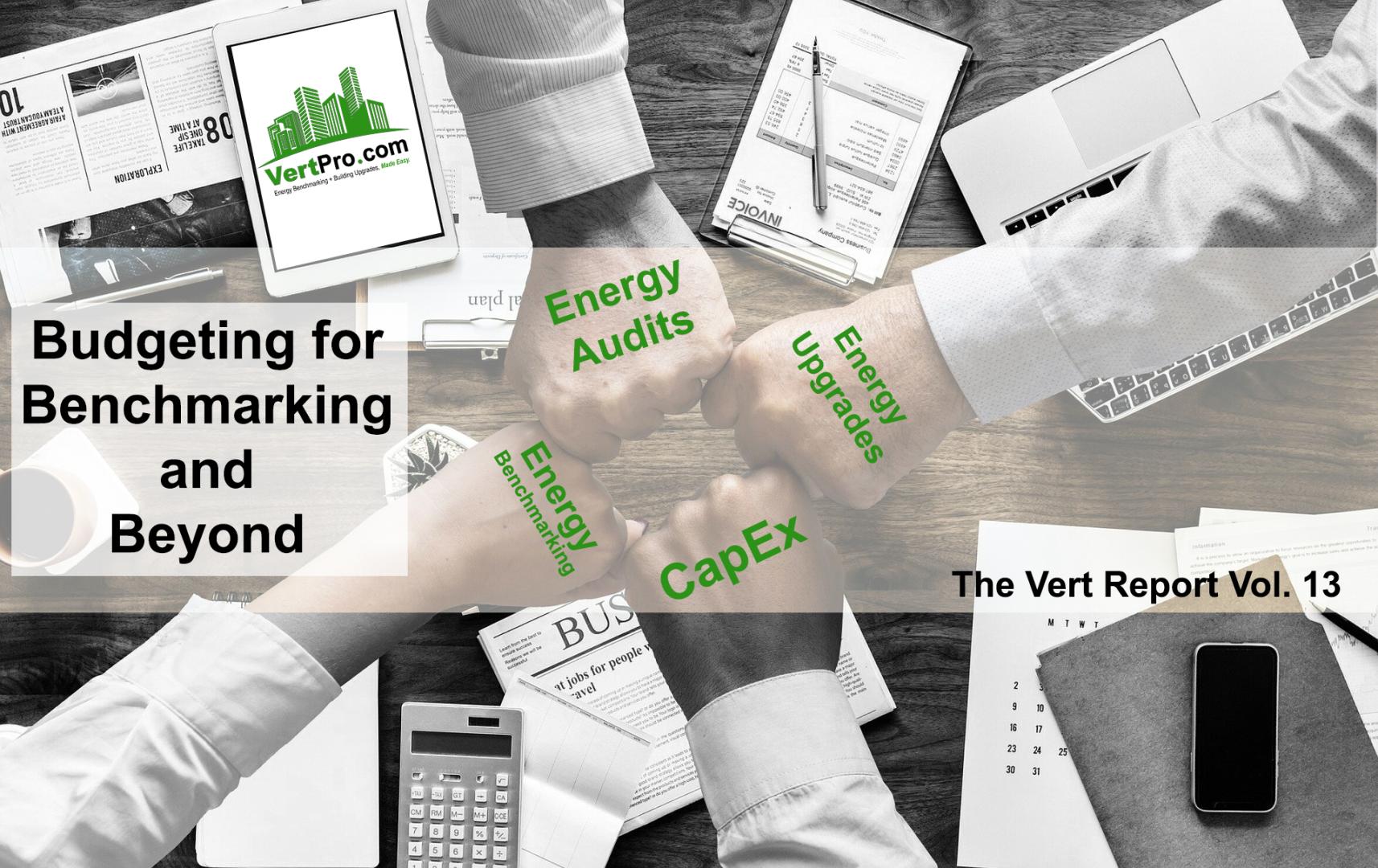
    Maintaining the Energy Efficiency of your buildings can appear costly when you’re not planning ahead. There’s the yearly Benchmark filing followed by the 5-10 year Audit and RetroCommissioning (RCx) reports and finally the upgrades and projects you need to complete based on the results of your Audits and RCx. While it’s relatively easy to account for the annual filings, the Audit and RCxs can sneak up on you. In the worst-case scenario, one of your building’s operational systems breaks and needs to be repaired or upgraded immediately. If you haven’t set aside the necessary funds, you’ll most likely find yourself in a pinch.

    Planning Ahead

    “All the things I could do if I had a little money…” – ABBA

    One of the easiest, and best, ways to begin budgeting for your Energy needs is to include it in your Capital Expenditures (CapEx). According to Investopedia, capital expenditures are important for two key reasons:

    •  The funds help to maintain a building and its equipment
    • Allows you to “invest in new technology and other assets for growth”

    As a reminder, Benchmarking and Audits/RCxs quite literally track your buildings’ Energy consumptions and needs to be upgraded. By this logic, Benchmarking and Audits/RCxs are investments in a building’s maintenance and growth.

    There are a few things to consider when setting up your capital expenditures year-to-year. Firstly, your capital expenditures are not to be confused with your operating expenses. The capital expenditures pertain to expenses that do not occur on a regular basis – such as building upgrades. Conversely, operating expenses deal with your regular or frequent expenses – think utility bills and rent. It’s important to keep your capital and operational expenditures separate so as to avoid confusion or issues.

    Based on your yearly Benchmark reports, you will see your Energy Score increase, stay the same, or drop. If your building’s Energy Score begins to drop, that’s a good indication to start prepping your CapEx as there’s a high chance that your building’s operations need to be upgraded. Many Audit/RCx deadlines for city and state ordinances fall around the end of the year, so conducting your Audit and planning your capital expenditures go hand-in-hand.

    An Audit/RCx conducted by a licensed professional (LP) is the best way to pinpoint the exact cause for your decreased Energy Score. The finalized Audit/RCx report will provide you with areas for improvement and projected costs for those projects that will save you money and energy in the long run. Potential areas of improvement include, but are not limited to, your building’s HVAC, Lighting, Automation, and Solar systems. Based on these findings, your company will be able to implement a minimum and maximum budget to encompass immediate and maintenance expenses. Investopedia states that common capital expenditure plans are “constructed to over a period of five to 10 years” thus serving as “a company’s ‘five-year plan’ or long-term goals.” As Audits and RCx are only conducted every 5-10 years, it is pertinent that you’re including the head of daily operations in CapEx discussions for your building as they are the most knowledgeable on building issues and repairs. By consulting an LP and your head of daily operations will ensure that the appropriate funds are allocated for your capital expenditures.

    Ah, summer, what power you have to make us suffer and like it.” – Russell Baker

    Surviving the Summer Heat

    Summer heat is in full swing and rising, but that doesn’t mean your energy bills have to increase. There are still many ways to stay cool without racking up the costs. Monitoring your AC and fans’ usage is one of the simplest ways to be energy efficient. I’ve said it before, and I’ll say it again if you have a smart thermostat make use of it. The Department of Energy found that setting your thermostat 7-10 degrees lower than the outdoor temperature can save up to 10% on AC expenses each year. With that in mind, set your thermostat to kick in when it reaches a certain temperature – for example, 78 degrees – and be sure to turn this feature off when no one’s home to ensure energy is not being wasted cooling an empty home. Keep in mind that the lower the temperature setting, the lower the settings so if you’re at 72 degrees, then you’ll only be saving up to 3% on AC expenses. You also want to be sure that your AC vents are regularly cleaned and dust-free to ensure optimal airflow. If the AC vents are dusty, it’s going to block the cool air trying to get out and you’ll find yourself trying to lower the temperature more and more to feel the effects. The lower the setting, the more your AC is going to have to work and the higher your energy bills.

     Department of EnergyAccording to the Department of Energy, 90% of the energy from incandescent lights is actually just the heat with the remaining 10% being actual light. Crazy right? Needless to say, if you’re using incandescent lighting, you might want to keep those off and use natural lighting while the sun’s out unless you want to raise the room’s temperature. A better option would be to switch to LED lighting as they generally give off low amounts of heat. There’s the added bonus that in comparison to incandescent lighting, LEDs use significantly less energy and last significantly longer – 75% less and 25 times longer respectively. Switching to LED will ensure no additional heat is being generated while helping you save money. It’s a win-win.


    Moving Past COVID

    Benchmark and Audit/RCx deadlines

    Many cities have begun to reopen and resume normal operations thus resulting in the reinforcement of Energy ordinances and programs*. As many cities and states start to reinstate their original, pre-pandemic Benchmark and Audit/RCx deadlines, it is important to note that there will also be less leniency. That means, deadlines will be enforced and penalties will be distributed as cities and states see fit. Vert Energy Group has continued to work through these unprecedented times to ensure we’re staying up-to-date with any and all changes made to the various nationwide Energy ordinances. If you’re finding yourself in the position to begin filing again, we’re here for you. Head over to VertPro.com to begin meeting your Benchmark, Audit, and RCx, and/or building upgrade needs. If you’re unsure if your city or state has reinstated your local Energy programs, our support team can help you via email at support@vertpro.com and by phone at 800-585-2690.

    *Please note at the time of drafting this section things were beginning to open up. Check with your city’s or state’s guidelines for the most up-to-date information.

    Fun Fact: In Northern Australia, the first Monday in August marks the public holiday “Picnic Day

    Back-to-School Season

    Danielle’s Corner

    Back-to-School Season…

    August marks back-to-school season! Hopefully the activities I shared in our June and July Vert Report helped keep your little ones occupied all summer long. Now I’m here to help you face the back-to-school shopping nightmare. When I was a struggling college student, I used to hit up my local malls to see what deals they had going on. Pre-COVID, the Irvine Spectrum in Irvine, CA used to handed out little booklets full of coupons to use at participating stores and restaurants and held summer night events in August. This provided a great way to stock up on back-to-school supplies and clothes while getting your grub on and attending fun events. The Irvine Spectrum has yet to announce any fun back-to-school event, but you can always do your own little celebration to make the process fun for your kiddos.

    Start your day off hitting the back-to-school sales and reward yourself and/or your family with a yummy meal out. And remember, shop for EnergySTAR certified electronics to ensure energy efficiency year-round. If you’re unsure if a product is EnergyStar certified simply look for the official logo or double-check the EnergySTAR website. If you spot any great back-to-school deals for EnergyStar products, share them with the Vert Energy Group community on our Facebook and LinkedIn or find us on Instagram. We’re all one big community, so let’s continue to help one another out!

    Find Applicable Energy Laws Search by Zip to Find Applicable Energy Laws

    There are over 30 cities/states with Energy Benchmark requirements – 16 have Energy Audit requirements as well! Use this free tool to check if your building has an upcoming Energy Benchmark or Energy Audit deadline.

    FIND OUT HERE »