
If you’re looking for ways to become more energy efficient in your building or business, requesting data from the building benchmarking portal is a great place to start. Benchmarking is an invaluable tool that enables you to compare and monitor your property’s or properties’ performance over time, allowing you to identify potential issues and take corrective action. In this post, we will explore what benchmarking is, why it matters, and explain how to use the convenient building benchmarking portal by requesting energy usage data. We understand that with limited time on hand it can be easier doing it online, and not dealing with paperwork, while increasing their efficiency too! Ready? Let’s get started!
Basics Of A Benchmarking Portal
Benchmarking portals provide a great service for busy professionals and teams looking to manage their performance more effectively. Benchmarking portals provide an opportunity to access, analyze and compare data on metrics like customer satisfaction, financial returns, industry trends and efficiency rates. This reliable data sourced via the portal allows you to quickly gain insights into how your organization performs relative to others in the same market or sector. You can identify areas for improvement and opportunities for growth across all areas of your operation – from sales and marketing campaigns to customer service processes. With a benchmarking portal, powerful decision-making becomes just a few clicks away.
How to request energy usage data from the building benchmarking portal?
For building owners in California, requesting energy usage data is quick and easy since the state’s building benchmarking portal administers the Collection-Disclosure Program as part of the California Energy Commission. All that owners need to do is register their facility with ENERGY STAR Portfolio Manager®, a free web tool that helps you track and assess energy and water consumption, give permission to share data, and view reports of combined energy performance. The process can be completed with just a few clicks — it’s that simple!
Benefits Of Requesting energy usage data from the building benchmarking portal

Energy benchmarking helps building owners and operators identify opportunities to save energy, money and reduce their carbon footprint. Requesting data from the building benchmarking portal allows for better understanding of a building’s performance and potential savings opportunities.
Some of the benefits of requesting energy usage data include:
1) Access to real-time energy data: Requesting energy usage data from the building benchmarking portal can provide real-time insights into a building’s energy performance. This allows for a better understanding of how the building uses electricity, natural gas and other utilities, which can lead to improved operations and efficiency.
2) Identifying potential savings opportunities: Requesting energy usage data from the building benchmarking portal can help identify potential areas for cost savings. Through understanding a building’s energy performance, owners and operators can uncover hidden costs in their operations and find ways to reduce their energy consumption.
3) Supporting green initiatives: Requesting energy usage data from the building benchmarking portal allows users to track their energy usage and emissions, helping to support green initiatives. This data can also help owners and operators compare their buildings’ energy performance with similar buildings in the same area and sector.
4) Simplifying compliance: Requesting energy usage data from the building benchmarking portal can simplify compliance with local laws and regulations, such as city or state-mandated building energy efficiency requirements. Owners and operators can quickly and easily comply with regulations by accessing the data.
5) Saving money: Requesting energy usage data from the building benchmarking portal allows users to identify potential savings opportunities, reducing operating costs. This data also helps inform decisions that can lead to long-term savings on utility bills.
Overall, requesting energy usage data from the building benchmarking portal can help owners and operators better understand their buildings’ performance, identify potential savings opportunities, and support green initiatives. By utilizing this data, users can save money while also helping to reduce their carbon footprint.
Things To Consider When Requesting energy usage data from the building benchmarking portal
When requesting energy usage data from the building benchmarking portal, it is important to consider certain factors, such as:
1. The type of energy the building uses: Different types of buildings require different types of energy. For this reason, it is important to determine what type(s) of energy is used in a particular building before requesting energy usage data.
2. The age of the building: Older Buildings may require more energy to operate than newer buildings, so it is important to consider the age of the building when requesting energy usage data from the portal.
3. The size and occupancy of the building: The size and occupancy level can also impact its energy usage, so it is important to consider these factors as well.
4. The location of the building: Where a building is located can affect its energy consumption due to environmental conditions, so it is important to consider the location of the building when requesting energy usage data from the portal.
5. The type of energy efficiency measures implemented: Different types of buildings may have different types of energy efficiency measures in place, so it is important to consider this when requesting energy usage data from the portal.
These are some of the factors to consider when requesting energy usage data from the building benchmarking portal. Considering these factors can help ensure that the data provided is accurate and reliable.
What Is Benchmarking Energy Report Use?

Benchmarking energy reports are invaluable resources for businesses and organizations looking to understand their energy consumption better. Such reports comprehensively analyze energy consumption, cost, and intensity relative to national peers, competitions, industry standards and local performance standards. This detailed benchmark allows one to compare their own performance—both in terms of absolute consumption levels and the efficiency of the processes used across regions, communities, or even buildings. Thus benchmarking energy reports go beyond just offering best practices in sustainable development: they provide actionable insights for organized efforts to reduce overall energy use and its associated costs.
What Is Energy Benchmark Compliance?
Energy benchmark compliance is an important concept for businesses and organizations to understand. It refers to the practice of ensuring buildings and other assets meet or exceed energy efficiency standards set by regulatory bodies. By being compliant, organizations strive to reduce their operational costs related to energy use while at the same time lowering their carbon footprints. To achieve this, key performance indicators must be monitored and tracked throughout a building’s lifecycle to identify areas needing attention or improvements. The aim is that through ruling compliance standards such as certification processes, organizations will become more efficient with their energy usage over time, reducing emissions and safeguarding the planet for future generations.
Conclusion
Now that you know how to request energy usage data from the building benchmarking portal, take the next step and contact Vert Energy Group. We specialize in helping our clients reduce their carbon footprints and save money on energy costs. Our team of experts will work with you to collect the necessary data and Benchmark your property. We’ll develop a custom plan tailored specifically for your needs so you can start saving money and reducing your environmental impact today. Contact us now to get started.



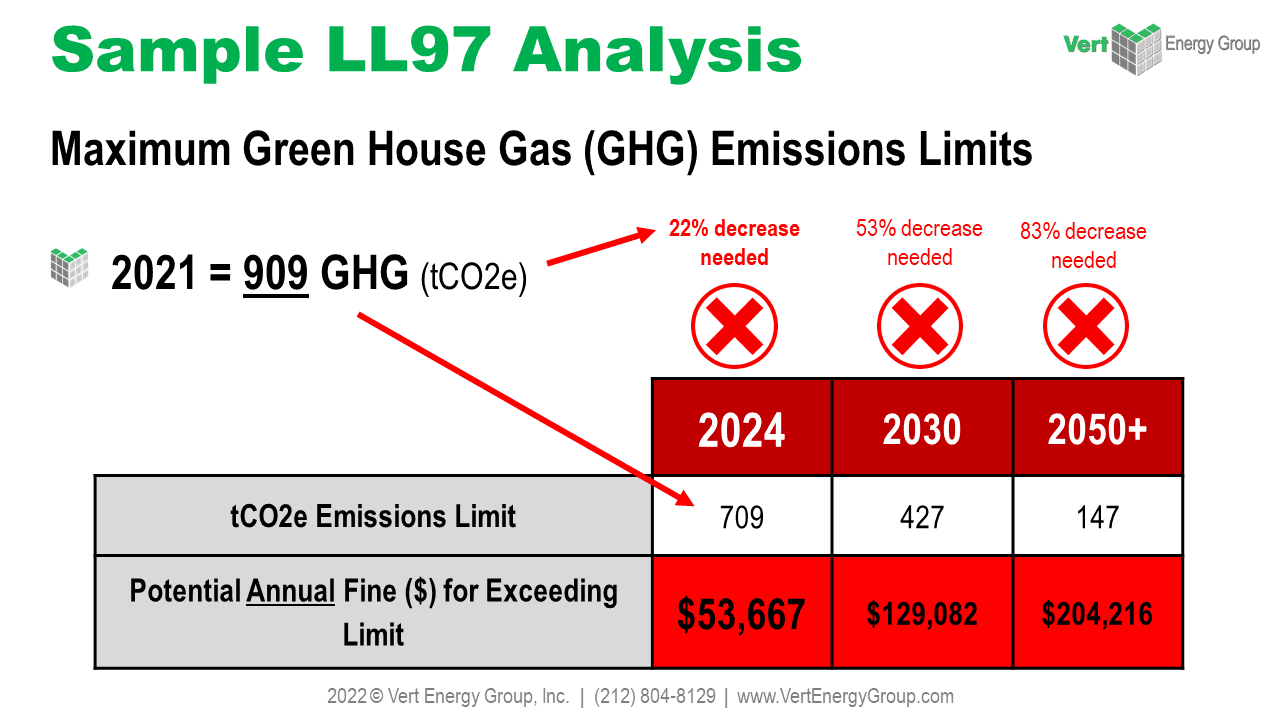

 As the world moves towards a more sustainable future, energy benchmarking has become an essential tool for businesses and organizations looking to reduce their carbon footprint and save on energy costs. Energy benchmarking involves measuring and tracking a building’s energy usage over time and comparing it to similar buildings to identify opportunities for improvement. This can be a complicated process, especially if you’re benchmarking a large building or facility, as it requires gathering and analyzing a large amount of data, as well as interpreting that data in a meaningful way. If you are about to start energy benchmarking, here’s a few reasons why you should start sooner rather than later.
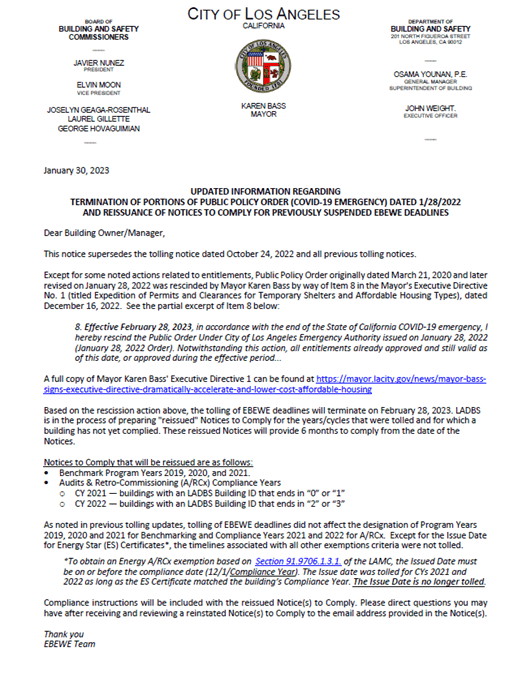


 Search by Zip to Find Applicable Energy Laws
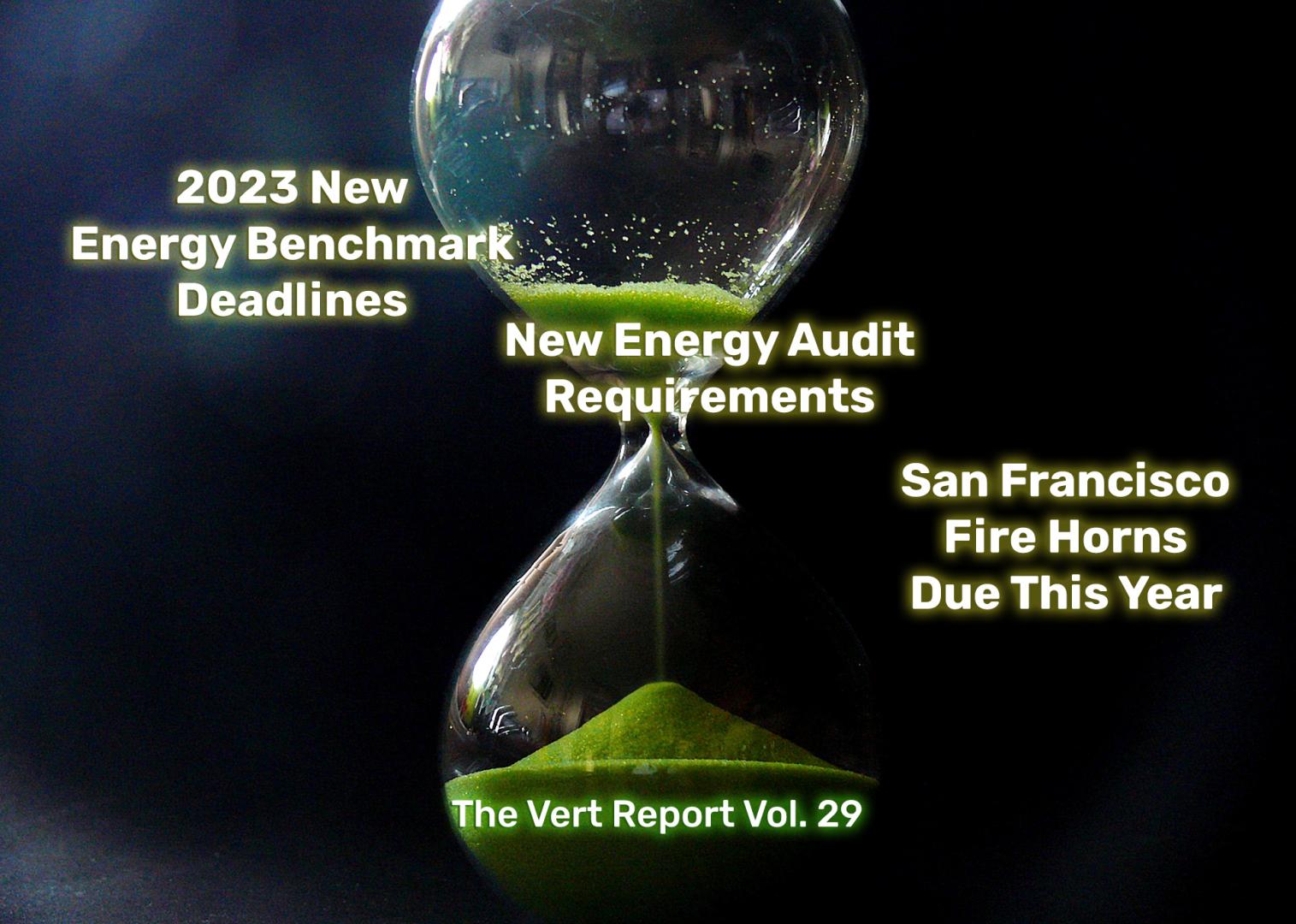
 Are you a building owner in San Francisco? If so, don’t miss the energy benchmarking report deadline! Every year, owners of non-residential buildings over 10,000 square feet can participate in energy benchmarking. The goal is to assess energy performance and decrease energy use with energy efficiency upgrades. All energy benchmarking reports must be completed by June 1st in order to comply with the regulations set by the California Energy Commission and receive their Energy Star Score. Using the data gathered from this report, owners will have all the information they need to identify energy-saving opportunities in their facility and make meaningful investments to improve energy efficiency. Get started today on meeting this important deadline for your energy benchmarking report!
 Here is what you should consider when complying with San Francisco benchmarking:


 This Valentine’s Day switch up your normal dinner and movie routine and do one of the following unique and quirky ideas to celebrate your loved one! Below are a few ideas to get your creative juices flowing:
1. Hot Air Balloon Ride- Treat your loved one to a once in a lifetime experience this valentine’s day! See a new place or your hometown from a different perspective…literally!
2. Take a romantic road trip together. If you have the time and resources, take your sweetheart on a special trip to explore places that are unique and special to you as a couple. Pack up some snacks and plan for some stops along the way to make it extra special.
3. Plan a picnic at a scenic spot. Whether you prefer oceanside, mountainside, or even a lovely park nearby, find a spot to picnic and enjoy each other’s company in the great outdoors. Bring some of your favorite snacks and drinks with you to make it extra special.
4. Check out your local farmer’s market. Buy some fresh ingredients and cook an amazing meal together at home. This can be especially nice if you don’t normally get to spend much time in the kitchen together.
5. Spend the day antiquing and find a unique gift for each other. Whether you are looking for something big or small, antique stores can offer some truly special finds that will make a great lasting memory.
6. Go ice skating or rollerblading together. Enjoy the fresh air and get some exercise while trying something new.
7. Take a stroll through your favorite part of town and discover hidden gems that are local only to you. This can be an especially nice activity if there is a special place that has meaning in your relationship.
8. Visit a local museum or gallery and explore different works of art. Take in some new perspectives and spark conversations about your favorite pieces.
9. Go on a hunt for the best pizza in town and find out who really has the best pie. Enjoy trying different slices and talking about what you like best.
10. Volunteer for a local cause, that is important to you both. Give back to the community and feel good about making a difference.
Explore our
This Valentine’s Day switch up your normal dinner and movie routine and do one of the following unique and quirky ideas to celebrate your loved one! Below are a few ideas to get your creative juices flowing:
1. Hot Air Balloon Ride- Treat your loved one to a once in a lifetime experience this valentine’s day! See a new place or your hometown from a different perspective…literally!
2. Take a romantic road trip together. If you have the time and resources, take your sweetheart on a special trip to explore places that are unique and special to you as a couple. Pack up some snacks and plan for some stops along the way to make it extra special.
3. Plan a picnic at a scenic spot. Whether you prefer oceanside, mountainside, or even a lovely park nearby, find a spot to picnic and enjoy each other’s company in the great outdoors. Bring some of your favorite snacks and drinks with you to make it extra special.
4. Check out your local farmer’s market. Buy some fresh ingredients and cook an amazing meal together at home. This can be especially nice if you don’t normally get to spend much time in the kitchen together.
5. Spend the day antiquing and find a unique gift for each other. Whether you are looking for something big or small, antique stores can offer some truly special finds that will make a great lasting memory.
6. Go ice skating or rollerblading together. Enjoy the fresh air and get some exercise while trying something new.
7. Take a stroll through your favorite part of town and discover hidden gems that are local only to you. This can be an especially nice activity if there is a special place that has meaning in your relationship.
8. Visit a local museum or gallery and explore different works of art. Take in some new perspectives and spark conversations about your favorite pieces.
9. Go on a hunt for the best pizza in town and find out who really has the best pie. Enjoy trying different slices and talking about what you like best.
10. Volunteer for a local cause, that is important to you both. Give back to the community and feel good about making a difference.
Explore our