 With consistently updating laws and ever-changing regulations, we have compiled a list of important dates and requirements for the upcoming Energy Audit deadlines for Los Angeles, San Francisco, San Jose, Austin, Seattle, Atlanta, Boston, and the state of Washington. Mark your calendars with important dates, and requirements to avoid potential fines/violations.
|
Location |
Deadline |
Additional Requirements: |
|
Los Angeles, CA |
June 1, 2023: Bldg IDs ending in “4” December 1, 2023: Bldg IDS sending in “5” |
Energy Audit, Water Audit & Retro-Commissioning (Every 5 years) |
|
San Francisco, CA |
April 1, 2023 |
Energy Audit or RCx (Every 5 years) |
|
San Jose, CA |
May 1, 2023 |
Last Digit of APN 0,1 |
|
Atlanta, GA |
December 31, 2023 |
*2022 deadline, extended to January 4th, 2023 *Every 10 years) starting in 2020 |
|
Boston, MA |
June 15, 2023 |
Every 5 years starting in 2010 |
|
Austin, TX |
June 1, 2023 |
Energy Audits + Mandatory Upgrades |
|
Seattle, WA |
October 1, 2023 |
Periodic Tune-Ups for Larger Commercial Buildings |
|
Washington (State) |
April 1, 2023 |
Energy Audits |
Audits and RCx can take substantially longer than benchmarks as on-site inspections conducted by licensed professionals (LP) are required. A minimum of one on-site inspection is required to gather information and depending on the complexity and size of the building, additional on-site visits may be needed to get a full scope of the building and its systems and equipment. Any missing information can cause inaccurate reporting and delay the process of filing. To assure compliance by the deadline it is suggested that you request your audit 6-9 months prior to the due date, making this the time to start planning for 2023!
 Missed benchmark deadlines can be a costly mistake for building owners. Every year building owners and managers are required to ensure their property is in compliance with their local city or state energy benchmark programs. Many benchmarking programs have penalties, and failure to file can result in written warnings and/or monetary fines. Non-compliance fines can add up quickly, so it is important to be aware of deadlines and the penalties for missing those deadlines. While not all benchmark programs have monetary fines or official warnings, each city and state agency keeps records. These are often made public via a compliance list, to hold building owners accountable and enforce compliance. These compliance lists can be located on your local city or state benchmarking website or by contacting your local programs support line directly.
The following is a complete chart of Benchmark programs with existing penalties for non-compliance:
Missed benchmark deadlines can be a costly mistake for building owners. Every year building owners and managers are required to ensure their property is in compliance with their local city or state energy benchmark programs. Many benchmarking programs have penalties, and failure to file can result in written warnings and/or monetary fines. Non-compliance fines can add up quickly, so it is important to be aware of deadlines and the penalties for missing those deadlines. While not all benchmark programs have monetary fines or official warnings, each city and state agency keeps records. These are often made public via a compliance list, to hold building owners accountable and enforce compliance. These compliance lists can be located on your local city or state benchmarking website or by contacting your local programs support line directly.
The following is a complete chart of Benchmark programs with existing penalties for non-compliance:
|
Benchmark Program |
Annual Deadline |
Penalty for Non-Compliance |
|
Atlanta Commercial Buildings Energy Efficiency Ordinance |
June 1st |
$1,000 |
|
Austin Energy Conservation Audit & Disclosure (ECAD) Ordinance |
June 1st |
$500-2,000 |
|
Berkeley Building Energy Saving Ordinance |
July 1st |
$100-1,000 |
|
Boston Energy Reporting & Disclosure Ordinance |
May 15th |
$35-200 |
|
California Assembly Bill 802 (CA AB802) |
June 1st |
$500-2,000 |
|
Cambridge Building Energy Use Disclosure Ordinance |
May 1st |
$300/day |
|
Chicago Building Energy Use Benchmarking Ordinance |
June 1st |
$100 + $25/day |
|
Chula Vista Building Energy Saving Ordinance |
May 20th |
$750-2,250 |
|
Denver Commercial & Multifamily Building Benchmarking |
June 1st |
$2,000 |
|
Des Moines Energy & Water Benchmarking Ordinance |
May 1st |
$50 + $300-500/day |
|
Evanston Building Energy & Water Use Benchmarking Ordinance |
June 30th |
$100 |
|
Fort Collins, CO Ordinance 144 Building Energy & Water Scoring |
March 1st |
$1,000 |
|
Los Angeles Energy & Water Efficiency (LA EBEWE) |
June 1st |
$202 |
|
New York City Local Law 84 (NYC LL84) |
May 1st* |
$500-$2,000 |
|
Philadelphia Building Energy Benchmarking Ordinance |
June 30th |
$300 + $100/day |
|
Pittsburgh Building Benchmarking Ordinance |
June 1st |
Publicly listed non-Compliant |
|
Portland Energy & Water Use Performance Benchmarking Ordinance (Maine) |
May 1st |
$20/day |
|
Portland Commercial Building Energy Reporting (Oregon) |
April 22nd |
$500 |
|
Reno Energy & Water Efficiency Program (Ordinance 7068) |
April 1st |
$850 |
|
Saint Louis Building Energy Awareness Bill |
April 1st |
$50-1,000 |
|
Salt Lake City Elevate Buildings |
May 1st |
$500-1,000 |
|
San Francisco Existing Commercial Buildings Energy Performance Ordinance (SF EBO) |
April 1st* |
$50-2,500 |
|
Seattle Council Bill 116731 (CB116731) |
July 1st |
$150-500/day |
Top 10 Vert Employees Halloween Movies
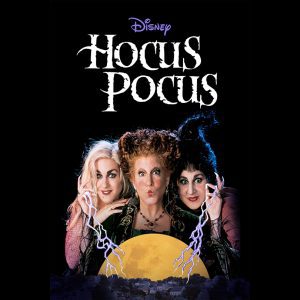
Halloween movies are a great way to get into the Halloween spirit. Whether you’re looking for spooky, funny, family-friendly, or just downright creepy, there’s sure to be a Halloween movie out there for you. Grab some popcorn and get ready to be scared because the Vert Energy Team has compiled a list of our all-time favorite movies to watch on All Hallows Eve and these are the top 10 winners!
In order of the most suggested titles by employees:
- Hocus Pocus
- Nightmare on Elm Street
- Halloweentown
- The Nightmare before Christmas
- Halloween
- Practical Magic
- The exorcist
- Young Frankenstein
- The Thing
- Scary Movie
As one of the most iconic Halloween movies of all time, it’s no surprise Hocus Pocus was the most chosen Halloween movie to watch among Vert Energy Group employees! Hocus Pocus has been praised for years for its humor, performances, and iconic songs. For an extra special surprise, head on over to Disney+, as Disney released Hocus Pocus 2, just in time for Halloween 2022! Gather your coven, grab your candy corn, and prepare for the ultimate Halloween movie night with a Hocus Pocus double feature!
Fun Fact:
 Halloween is a big industry in America. Every year, Americans spend billions of dollars on Halloween costumes, decorations, and candy. The Halloween industry has grown significantly in recent years, and it shows no signs of slowing down. According to the National Retail Federation‘s seasonal shopping trends this year, conducted by Prosper Insights & Analytics, Americans are predicted to spend $2.6 billion buying candy for Halloween, in comparison to $3.2 billion on costumes and $2.7 billion on decorations. 172 million people in the United States celebrate Halloween — and about 95% are predicted to purchase candy. That’s a lot of candy corn!
Stephanie’s Section
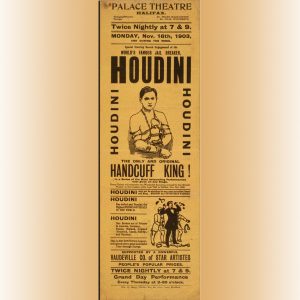
Houdini’s Final Performance
Halloween, a fun holiday with costumes, and candy, also happens to be the death date of one of the best escape artists in history, Harry Houdini.
Harry Houdini was a famous magician who dazzled crowds for over 30 years. He was born in Hungary in 1874, and he immigrated to the United States with his family when he was a young boy. Houdini was known for his daring escape acts. He would escape from handcuffs, chains, and even straight jackets, often in water or other dangerous situations. Houdini was also an accomplished aviator, and he set many records for flying machines.
On October 24, 1926, Harry Houdini was performing at the Princess Theatre in Montreal. During his show, he invited a member of the audience to come onstage and punch him in the stomach as hard as they could. This was part of Houdini’s act, and he had done it many times before without incident. However, this time was different. The student who punched Houdini, J. Gordon Whitehead, hit him so hard that Houdini collapsed and had to be taken to the hospital.
Houdini initially seemed to recover from the incident, but his condition quickly deteriorated. He is said to have died of peritonitis after his appendix ruptured, but the circumstances of his death remain mysterious to this day. At age 52, on October 31, 1926, Halloween night, Harry Houdini died.
While none would argue Harry Houdini’s death was a tragic event, some people believe that Harry Houdini’s death was not accidental. There are many wild theories about what really happened to Houdini, and many seem to believe that he was murdered.
One theory is that Houdini was killed by the Mafia. It’s well known that Houdini was very critical of the Mob, and he had made enemies within the organization. It is possible that the Mafia ordered Whitehead to punch Houdini in the stomach as a way of getting revenge.
Another theory is that Houdini was killed by the KGB. This theory emerged after the release of previously classified documents in 2006. These documents showed that Houdini had been under surveillance by the KGB for many years. It is possible that the KGB ordered Whitehead to punch Houdini to silence him.
Whether or not he was murdered, his death shocked the world, and his legacy has lived on ever since. Harry Houdini was a true pioneer in the world of magic, and his death is still the subject of conversation decades later.
 Search by Zip to Find Applicable Energy Laws
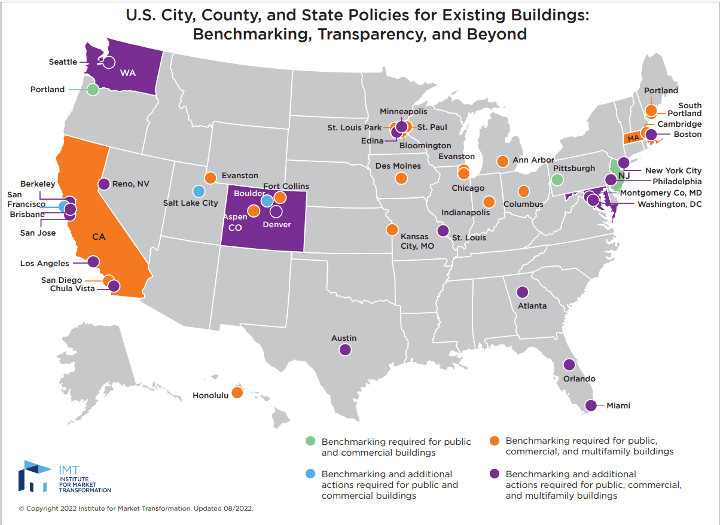
There are over 30 cities/states with Energy Benchmark requirements – 16 have Energy Audit requirements as well! Use this free tool to check if your building has an upcoming Energy Benchmark or Energy Audit deadline.
FIND OUT HERE »

 As more and more states look to benchmarking to improve energy efficiency, several new laws and ordinances are set to go into effect in 2023. These laws will require benchmarking for all commercial buildings over a certain size and will impose penalties for those that do not comply.
While some building owners may see this as a burden, benchmarking can be a valuable tool. It can help identify areas where a building is wasting energy and can also help reduce a building’s energy consumption and be more sustainable. In the long run, benchmarking can save building owners money by helping them make their buildings more efficient.
Not only are new laws and ordinances being implemented, but existing laws are constantly being updated. These updates include lowering the size threshold for buildings covered by the benchmarking requirements, establishing new third-party data verification requirements, requiring the use of whole-building utility data, including aggregate data directly from utilities when applicable, and clarification of violations and the enforcement process.
As more and more states look to benchmarking to improve energy efficiency, several new laws and ordinances are set to go into effect in 2023. These laws will require benchmarking for all commercial buildings over a certain size and will impose penalties for those that do not comply.
While some building owners may see this as a burden, benchmarking can be a valuable tool. It can help identify areas where a building is wasting energy and can also help reduce a building’s energy consumption and be more sustainable. In the long run, benchmarking can save building owners money by helping them make their buildings more efficient.
Not only are new laws and ordinances being implemented, but existing laws are constantly being updated. These updates include lowering the size threshold for buildings covered by the benchmarking requirements, establishing new third-party data verification requirements, requiring the use of whole-building utility data, including aggregate data directly from utilities when applicable, and clarification of violations and the enforcement process.
 Source:
  In the United States, Labor Day is celebrated on the first Monday of September. It’s a day off for many workers, and a time to enjoy the last few days of summer, but did you know that Labor Day is more than just a day off from work? This American institution has a long and interesting history so let’s take a quick look at the origins of Labor Day and how it’s evolved over the years.
Labor Day has its roots in the labor movement of the late 19th century. At that time, working conditions were often very dangerous, and workers were frequently required to work long hours for little pay. In an effort to improve these conditions, workers began organizing into unions.
In the United States, Labor Day is celebrated on the first Monday of September. It’s a day off for many workers, and a time to enjoy the last few days of summer, but did you know that Labor Day is more than just a day off from work? This American institution has a long and interesting history so let’s take a quick look at the origins of Labor Day and how it’s evolved over the years.
Labor Day has its roots in the labor movement of the late 19th century. At that time, working conditions were often very dangerous, and workers were frequently required to work long hours for little pay. In an effort to improve these conditions, workers began organizing into unions. 

 Building Upgrade Projects are key to improving the features and condition of your commercial building, which significantly influences its value. While many building owners put off needed repairs or improvements, properly maintained properties will always be in demand and command higher prices. By making strategic upgrades, you not only add value to your property but also make it more attractive to potential buyers or renters. Examples of such upgrades are Gas Line Inspections or Repairs, Seismic Retrofitting, Solar Panels or Green Roof Installations, Parking lot Updates, and Building Management Systems.
However, it is important to be aware of the pitfalls and plan accordingly. By doing so, you can ensure that your project is a success and that your property maintains its high market value. Communication, Budgeting, Resourcing, Due Diligence, Coordination, and Contract Preparation are all common errors made during Capital Improvement projects which can be costly and time-consuming. In our new VPU webinar, and in the table below, we discuss these common pitfalls further.
Building Upgrade Projects are key to improving the features and condition of your commercial building, which significantly influences its value. While many building owners put off needed repairs or improvements, properly maintained properties will always be in demand and command higher prices. By making strategic upgrades, you not only add value to your property but also make it more attractive to potential buyers or renters. Examples of such upgrades are Gas Line Inspections or Repairs, Seismic Retrofitting, Solar Panels or Green Roof Installations, Parking lot Updates, and Building Management Systems.
However, it is important to be aware of the pitfalls and plan accordingly. By doing so, you can ensure that your project is a success and that your property maintains its high market value. Communication, Budgeting, Resourcing, Due Diligence, Coordination, and Contract Preparation are all common errors made during Capital Improvement projects which can be costly and time-consuming. In our new VPU webinar, and in the table below, we discuss these common pitfalls further.



 Under NYC Local Law 11 (LL11), all buildings with six or more stories must undergo an inspection of the exterior walls and appurtenances every five years. This inspection falls under the city’s Façade Inspection and Safety Program, or FISP, which aims to improve public safety by identifying potential problems with building exteriors. During the inspection process, a licensed professional will examine a wide range of material and structural features on the building envelope. These may include windows, doors, masonry, and cladding materials, as well as waterproofing membranes and rooftop vents. The overall goal of FISP is to help ensure that New York buildings are safe and structurally sound while minimizing any potential risks to the property and its occupants. If any issues are identified during the inspection process, they will be flagged so that they can be promptly addressed by qualified contractors.
Failure to comply with LL11 will result in civil penalties issued by the New York City Department of Buildings (NYCDOB). In extreme cases, NYCDOB can revoke a building’s Certificate of Occupancy and force it to be closed if it is not in compliance with LL11 as the building will be deemed unsafe. There are four different civil penalties you can receive:
Under NYC Local Law 11 (LL11), all buildings with six or more stories must undergo an inspection of the exterior walls and appurtenances every five years. This inspection falls under the city’s Façade Inspection and Safety Program, or FISP, which aims to improve public safety by identifying potential problems with building exteriors. During the inspection process, a licensed professional will examine a wide range of material and structural features on the building envelope. These may include windows, doors, masonry, and cladding materials, as well as waterproofing membranes and rooftop vents. The overall goal of FISP is to help ensure that New York buildings are safe and structurally sound while minimizing any potential risks to the property and its occupants. If any issues are identified during the inspection process, they will be flagged so that they can be promptly addressed by qualified contractors.
Failure to comply with LL11 will result in civil penalties issued by the New York City Department of Buildings (NYCDOB). In extreme cases, NYCDOB can revoke a building’s Certificate of Occupancy and force it to be closed if it is not in compliance with LL11 as the building will be deemed unsafe. There are four different civil penalties you can receive:
 Memorial Day falls on May 30th this year. This American holiday began in the years following the Civil War to remember and honor the brave men and women who have given their lives in service to our country. It is a day of somber reflection, but also of celebration and thanksgiving. Over the years Memorial Day traditions have evolved. Originally, people would observe the holiday by decorating the graves of fallen soldiers and it grew into local and national celebrations with parades. With many offices and companies closed on Memorial Day, this holiday has become more of a long weekend referred to as “Memorial Weekend.” It serves as an opportunity for many to take a weekend trip or host parties in what National Today states is a way “to balance out the soberness of the day and welcome summer.” Whether you’re staying in or taking a trip this Memorial Day, take a moment to pay tribute to honor the brave men and women who have given their lives in service to our country.



 Ready to be pranked? Whether you’re pranking or being pranked, there’s no shortage of tricks to be found every April Fools – especially with big companies joining in the fun. From a company standpoint, April Fools is a great way to get your target audience involved and at your door in a fun way. One example would be the 1998 Burger King ad for the “Left-Handed Whopper.” Though diners couldn’t purchase the “Left-Handed Whopper” it nonetheless got them to Burger King where they most likely purchased another meal instead. Like any prank though, companies should be careful about their execution of it. Google is notorious for its participation in April Fools – a throwback to when they let us play Ms. Pac-Man on Google Maps in 2017 – not all have landed well. In 2016, Google’s prank left many users unhappy. The prank involved a new Gmail button – “