Are you looking to save time and money on the audit, commissioning, or retro-commissioning your building’s energy systems? EBEWE Exemptions are an invaluable resource for organizations that comply with various codes and standards that waive certain requirements to minimize tedious processes like inspections and additional paperwork.
Learning more about eligibility criteria and potential exemptions can help reduce costly procedures while improving the effectiveness of existing strategies.
In this post, we’ll explain everything you need to know about qualifying for an EBEWE Exemption from audit and retro-commissioning – so read on!
What Are Audits And Retro-Commissions?
Audits and retro-commissions are energy consumption surveys that tell us how energy is being used in a given building, system or organization. They provide us with a comprehensive understanding of energy use by measuring energy efficiency through diagnostic tools. This can highlight certain areas of energy waste.
Moreover, retro-commissions provide a roadmap to help organizations reduce energy usage and save costs through pinpointing specific adjustments that can be made to increase energy efficiency. The ultimate goal of audits and retro-commissions is to give organizations the knowledge they need to make informed decisions about their energy use going forward.
How to Qualify for an EBEWE Exemption from the Audit and Retro-commissioning?

If you’re looking to qualify for an EBEWE exemption from the energy audit and retro-commissioning, there are a few things you need to keep in mind. First, it must be verified that energy and water consumption has steadily decreased over at least the last four years or until energy usage has reached a certain threshold.
Additionally, energy audits should be conducted every two years to prove energy efficiency is improving. Finally, any energy efficiency measures recommended in the energy audits must be completed before an exemption is granted. By meeting these requirements, your organization can secure an exemption from energy auditing and retro-commissioning—ensuring your business is as energy efficient as possible!
Who Can Comply With EBEWE Energy Benchmarking?
Energy benchmarking is essential for building owners looking to improve energy performance and conserve energy. EBEWE energy benchmarking is no different – it’s an effective way to determine the energy consumption of existing buildings energy and measure energy efficiency. To comply, building owners must complete an energy consumption survey for each building and submit the results to an energy advisor.
This process yields useful data and insights about how the building uses energy, allowing owners to make informed decisions about energy performance upgrades or to take other corrective measures.
Compliance Deadline For EBEWE Energy Benchmarking Report
Are you a business owner with central cooling systems in your commercial building? If so, you may want to take note of the upcoming compliance deadline for EBEWE Energy Benchmarking report. As of June 1st, 2021, all commercial buildings with central cooling systems must submit a water efficiency program report, including source energy use intensity data, to their local government.
Doing this allows you to determine if your central cooling system is as efficient as possible, helping your business save money on utility bills in the long run. Don’t miss out on this opportunity – make sure to check your local government’s policies and get that report in before the deadline!
Benefits Of EBEWE Exemption From The Audit And Retro Commissioning
EBEWE Exemption from the Audit and Retro Commissioning can help reduce energy costs through:
– Improved Efficiency: By performing an EBEWE Exemption, commercial building owners are able to identify areas of inefficiency and make improvements before the audit, or retro commissioning process is completed. This helps to improve the efficiency of all systems, resulting in lower energy costs.
– Reduced Costs: By reducing the amount of time and money associated with pre-audit and retro commissioning, building owners can save money on audit and retro commissioning costs. This helps to reduce overall energy expenses over time.
– Improved Comfort Level: EBEWE Exemptions allow building owners to ensure that all systems function correctly and efficiently. This helps to improve comfort levels for occupants, resulting in improved productivity and reduced absenteeism.
– Increased Safety: EBEWE Exemptions can help reduce the risk of fire or other safety issues by ensuring that all systems are functioning properly and safely. This helps to increase the overall safety of a building, ensuring that occupants are safe and secure.
– Increased Productivity: EBEWE Exemptions help to improve energy efficiency and reduce energy costs, resulting in increased productivity for occupants. This can lead to higher revenues for businesses, as well as improved morale for employees.
Overall, EBEWE Exemptions can positively impact a building’s energy efficiency and costs, resulting in improved comfort levels for occupants, increased safety, and higher productivity. This makes EBEWE Exemption from the Audit and Retro Commissioning an attractive option for many building owners.
Things To Consider When Qualifying For An EBEWE Exemption From The Audit And Retro-Commissioning

1. The project must meet all applicable building code requirements and have been constructed according to the approved plans, including any changes or modifications made during construction.
2. The building systems must be operated and maintained in accordance with the manufacturer’s instructions and the EBEWE Exemption Guidelines (see Appendix A).
3. The building must have been designed according to recognized energy efficiency design principles and practices, including use of renewable energy technologies (e.g., solar hot water or photovoltaic systems).
4. The building must be equipped with a Building Automation System (BAS) that is set up for remote monitoring and control of the building’s energy systems to enable continuous and/or periodic monitoring of energy performance.
5. The building must have been designed with energy efficiency measures that are not dependent on the BAS, such as occupancy sensors and automatic lighting controls.
6. The building must be equipped with a comprehensive system of meters that accurately monitor energy consumption and provide data for comparison of energy performance before and after the retro-commissioning process.
7. The building must have been designed with systems that allow easy access to make any necessary adjustments or repairs to the building’s energy systems.
8. The building must be equipped with an ongoing training program for staff and/or occupants, so they can become familiar with the systems and use them efficiently.
9. The building must be certified as meeting current energy efficiency standards by an approved third-party auditor or commissioning authority. This certification must be renewed on a regular basis to ensure ongoing compliance with the EBEWE Exemption Guidelines.
10. An application for the exemption must include a detailed description of the energy efficiency measures implemented in the building, along with supporting documentation. This must include copies of all applicable building permits and a complete list of equipment and materials used in the cooling process.
Penalty For EBEWE Energy Benchmarking Report
Recent energy benchmarking regulations require local governments to track and report their buildings’ energy usage in EBEWE Energy Benchmarking Reports. Those who do not comply may face hefty fines. Businesses and corporate entities have not been exempt from this, ensuring everyone can quickly submit the necessary documentation or deal with the consequences. The only exception is residential properties, which are far from getting away with anything, since they still need to adhere to all local municipal requirements. Anyone avoiding compliance will surely face the penalty for their non-compliance, so it’s essential for everyone to take these regulations seriously.
The Final Word
You can save energy and money by following these simple tips to qualify for an EBEWE exemption from the audit and retro-commissioning. The first step is to find a reputable company like Vert Energy Group to help you with the process. Once you have found a reputable company, they will take care of the rest!


 Utilizing solar panels and other renewable energy technologies are becoming increasingly popular to create clean and green energy that can significantly reduce energy bills. In fact, solar systems can generate solar power with no emissions or pollutants, while natural gas is still considered a cleaner alternative to electricity generated by fossil fuels.



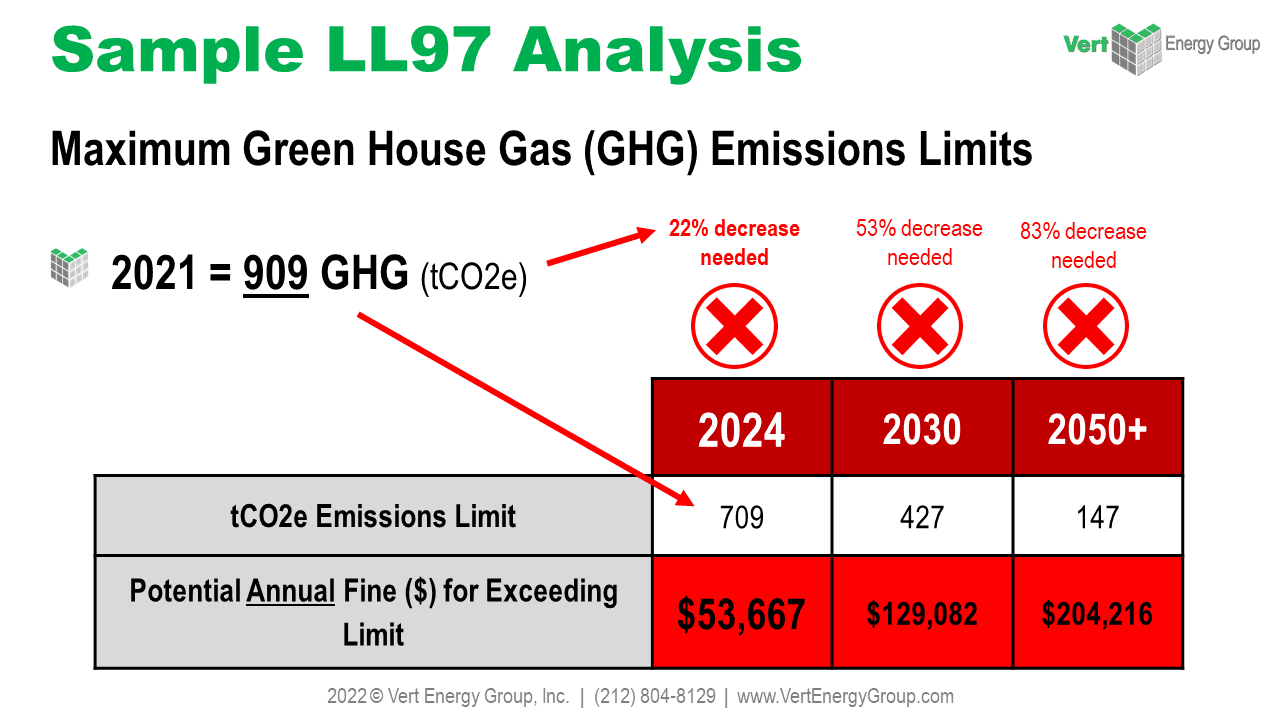

 As the world moves towards a more sustainable future, energy benchmarking has become an essential tool for businesses and organizations looking to reduce their carbon footprint and save on energy costs. Energy benchmarking involves measuring and tracking a building’s energy usage over time and comparing it to similar buildings to identify opportunities for improvement. This can be a complicated process, especially if you’re benchmarking a large building or facility, as it requires gathering and analyzing a large amount of data, as well as interpreting that data in a meaningful way. If you are about to start energy benchmarking, here’s a few reasons why you should start sooner rather than later.



 Search by Zip to Find Applicable Energy Laws
 This Valentine’s Day switch up your normal dinner and movie routine and do one of the following unique and quirky ideas to celebrate your loved one! Below are a few ideas to get your creative juices flowing:
1. Hot Air Balloon Ride- Treat your loved one to a once in a lifetime experience this valentine’s day! See a new place or your hometown from a different perspective…literally!
2. Take a romantic road trip together. If you have the time and resources, take your sweetheart on a special trip to explore places that are unique and special to you as a couple. Pack up some snacks and plan for some stops along the way to make it extra special.
3. Plan a picnic at a scenic spot. Whether you prefer oceanside, mountainside, or even a lovely park nearby, find a spot to picnic and enjoy each other’s company in the great outdoors. Bring some of your favorite snacks and drinks with you to make it extra special.
4. Check out your local farmer’s market. Buy some fresh ingredients and cook an amazing meal together at home. This can be especially nice if you don’t normally get to spend much time in the kitchen together.
5. Spend the day antiquing and find a unique gift for each other. Whether you are looking for something big or small, antique stores can offer some truly special finds that will make a great lasting memory.
6. Go ice skating or rollerblading together. Enjoy the fresh air and get some exercise while trying something new.
7. Take a stroll through your favorite part of town and discover hidden gems that are local only to you. This can be an especially nice activity if there is a special place that has meaning in your relationship.
8. Visit a local museum or gallery and explore different works of art. Take in some new perspectives and spark conversations about your favorite pieces.
9. Go on a hunt for the best pizza in town and find out who really has the best pie. Enjoy trying different slices and talking about what you like best.
10. Volunteer for a local cause, that is important to you both. Give back to the community and feel good about making a difference.
Explore our
This Valentine’s Day switch up your normal dinner and movie routine and do one of the following unique and quirky ideas to celebrate your loved one! Below are a few ideas to get your creative juices flowing:
1. Hot Air Balloon Ride- Treat your loved one to a once in a lifetime experience this valentine’s day! See a new place or your hometown from a different perspective…literally!
2. Take a romantic road trip together. If you have the time and resources, take your sweetheart on a special trip to explore places that are unique and special to you as a couple. Pack up some snacks and plan for some stops along the way to make it extra special.
3. Plan a picnic at a scenic spot. Whether you prefer oceanside, mountainside, or even a lovely park nearby, find a spot to picnic and enjoy each other’s company in the great outdoors. Bring some of your favorite snacks and drinks with you to make it extra special.
4. Check out your local farmer’s market. Buy some fresh ingredients and cook an amazing meal together at home. This can be especially nice if you don’t normally get to spend much time in the kitchen together.
5. Spend the day antiquing and find a unique gift for each other. Whether you are looking for something big or small, antique stores can offer some truly special finds that will make a great lasting memory.
6. Go ice skating or rollerblading together. Enjoy the fresh air and get some exercise while trying something new.
7. Take a stroll through your favorite part of town and discover hidden gems that are local only to you. This can be an especially nice activity if there is a special place that has meaning in your relationship.
8. Visit a local museum or gallery and explore different works of art. Take in some new perspectives and spark conversations about your favorite pieces.
9. Go on a hunt for the best pizza in town and find out who really has the best pie. Enjoy trying different slices and talking about what you like best.
10. Volunteer for a local cause, that is important to you both. Give back to the community and feel good about making a difference.
Explore our